Unveiling the Samurai: Beyond the Sword, a Legacy of Art and Power
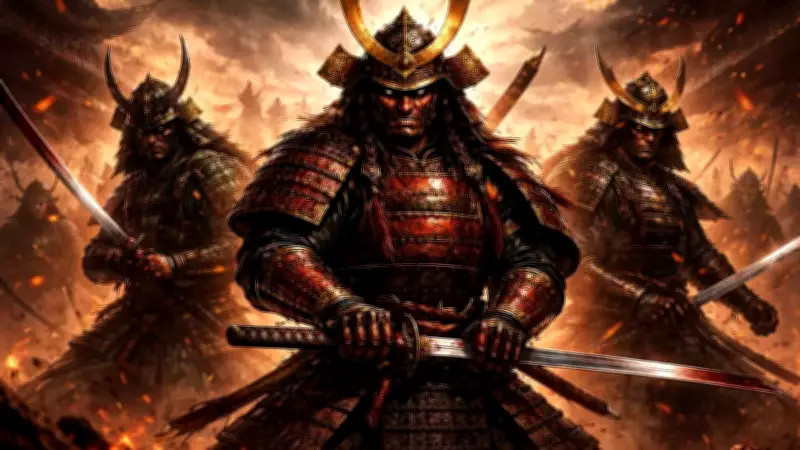
What springs to mind at the mention of 'samurai'? For many, it conjures images of armored warriors on battlefields, swords in hand, embodying unwavering loyalty. This perception, deeply rooted in medieval history spanning over a millennium, is celebrated today through video games, TV shows, and films. Yet, the true story of these Japanese warriors is far more intricate and surprising than Hollywood often portrays.
Japan’s Samurai Warriors: History and Origin
According to the British Museum's new Samurai exhibition, these figures are not mere fantasy elements from Star Wars or games but compelling historical mysteries. Curator Rosina Buckland notes that while samurai were indeed warriors who rose to power, that's not the full picture. Their origins trace back to the 10th century, when they were first recruited as mercenaries for imperial courts. By the 12th century, Japan experienced street battles and rebellions, allowing samurai to leverage this unrest to gain political influence and establish a military government, known as the shogunate, in 1185.
Samurai Were More Than Warriors: Skills Went Beyond the Sword
Samurai embraced new ideas and technologies from other cultures. For instance, an armor on display at the exhibition features a Portuguese design with a pointed front and angled sides to deflect musket bullets, adaptations necessitated after European firearms arrived in Japan in 1543. Beyond military prowess, samurai cultivated refined arts such as painting, poetry, music, theatre, and tea ceremonies. Military leaders, or Shōguns, understood that brute force alone was insufficient for effective rule, blending military strength with subtle courtly influence.

Their governance was shaped by Chinese philosophy, particularly Neo-Confucian ideals. Buckland explains, "In Neo-Confucian thought, you need a balance between military power and cultural skill." This emphasis on soft power, including diplomacy and cultural finesse, is highlighted by artifacts like a 19th-century fan painted by a samurai artist, showcasing their unexpected artistry.
Are Samurai Only Men?
From the 12th to 16th centuries, high-ranking women wielded significant power. Hojo Masako, married to the first shogun Minamoto Yoritomo, served as regent multiple times. During the Tokugawa period, women comprised half of the samurai class, managing household duties and child-rearing. The British Museum exhibition features accessories, robes, and other objects that narrate the stories of these samurai women.
What Do Samurai Wear When Off the Battlefield?
Samurai attire varied by rank, ranging from lavish textiles for high-ranking individuals to imported fabrics. Lower-ranking samurai expressed their status through long katana and short wakizashi swords with distinct mounts. Tsuba, or sword guards, came in various shapes and sizes, typically made of iron but also copper, brass, or enamel.
What Is the Meaning of the Word 'Samurai'?
The term derives from the Japanese verb 'saburau', meaning to serve, reflecting the origins of men who served as governors. Historically, it described members of the ruling class.
Do Samurai Exist Today?
As a distinct social-military class, samurai no longer exist, with their official status ending in the late 19th century during Japan's modernization of its military and government. However, their legacy endures. Values like loyalty, discipline, and honor continue to influence Japanese culture through martial arts such as kendo and iaido, traditional ceremonies, and cultural storytelling. Samurai armor, swords, and art are preserved in museums, exhibitions, and collections worldwide.