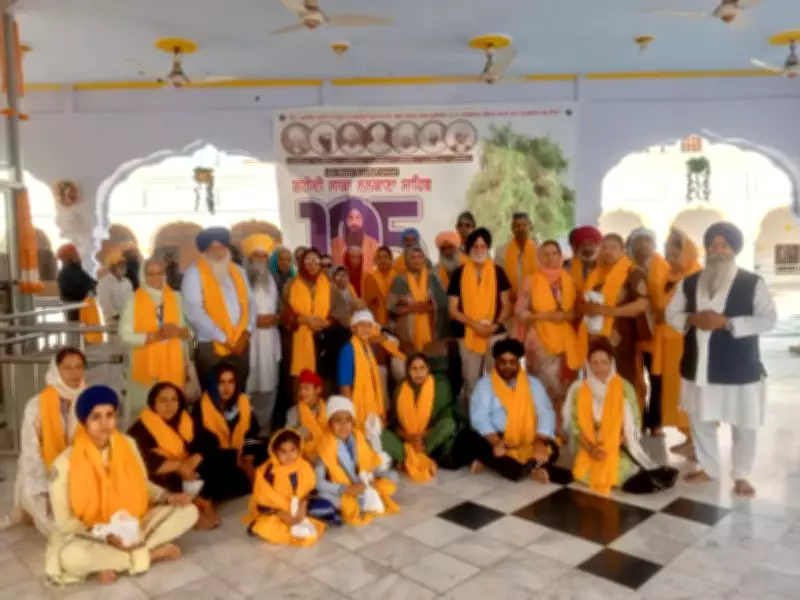
Saka Nankana Sahib Observed on Both Sides of India-Pakistan Border
Sikh communities in India and Pakistan came together to solemnly observe Saka Nankana Sahib, a day of remembrance for the tragic events of February 20, 1921. This annual commemoration honors the martyrs who lost their lives during a violent confrontation at Gurdwara Janam Asthan in Nankana Sahib, Pakistan, the birthplace of Guru Nanak Dev Ji, the founder of Sikhism.
Historical Significance of the Event
The Saka Nankana Sahib marks a pivotal moment in Sikh history, when peaceful protesters were attacked by the mahant (custodian) and his supporters at the gurdwara. This incident led to significant sacrifices and ultimately spurred the Gurdwara Reform Movement, which aimed to reclaim control of Sikh shrines from corrupt custodians. The day is observed with deep reverence, reflecting on the bravery and resilience of those who stood up for religious freedom and justice.
Commemorative Activities Across Borders
In India, particularly in Punjab, large gatherings were held at various gurdwaras, where devotees participated in special prayers, kirtan (devotional singing), and processions. Leaders and community members delivered speeches highlighting the historical importance of the event and its lessons for contemporary society. Similarly, in Pakistan, Sikhs organized ceremonies at Gurdwara Janam Asthan and other shrines, with prayers and tributes paid to the martyrs. Despite geopolitical tensions, the observance served as a unifying moment for Sikhs on both sides of the border, emphasizing shared heritage and faith.

- Special prayers and ardas (supplications) were offered for the souls of the martyrs.
- Processions and nagar kirtans (religious street processions) were conducted in many towns and cities.
- Educational programs and discussions were held to educate younger generations about the historical context.
- Tributes included floral offerings and moments of silence at memorials dedicated to the victims.
Impact on Sikh Identity and Diplomacy
The commemoration of Saka Nankana Sahib underscores the enduring spirit of the Sikh community and its commitment to preserving historical memory. It also highlights the cultural and religious ties that transcend political boundaries between India and Pakistan. Observers note that such events can foster people-to-people connections, potentially easing bilateral relations through shared cultural heritage. However, the day remains primarily a somber reflection on sacrifice and the ongoing struggle for religious rights.
As the world watches, the observance of Saka Nankana Sahib continues to resonate, reminding all of the importance of tolerance and the power of collective memory in shaping a more just future.