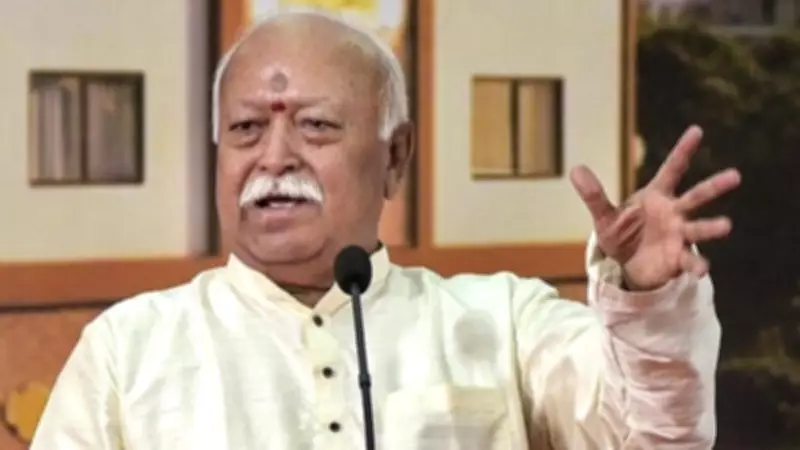
RSS Chief Mohan Bhagwat Advocates for Enhanced Promotion of Sanskrit in India
In a significant address, Rashtriya Swayamsevak Sangh (RSS) chief Mohan Bhagwat has strongly advocated for the greater promotion of Sanskrit across India. He emphasized that Sanskrit is not merely a classical language but a vital part of the nation's cultural and linguistic heritage that deserves widespread recognition and support.
Cultural and Linguistic Significance of Sanskrit
Bhagwat highlighted that Sanskrit serves as a unifying force for India, connecting diverse communities through its rich literary and philosophical traditions. He pointed out that the language has historically played a crucial role in shaping Indian thought, spirituality, and academic discourse. By promoting Sanskrit, Bhagwat argued, India can preserve its ancient wisdom and foster a deeper sense of national identity among its citizens.
Call for Government and Institutional Support
The RSS chief called upon the government, educational institutions, and cultural organizations to take proactive steps in revitalizing Sanskrit. He suggested initiatives such as:

- Integrating Sanskrit into school and university curricula to make it more accessible to students.
- Organizing workshops and seminars to raise awareness about the language's importance.
- Encouraging research and publications in Sanskrit to keep the language alive in contemporary contexts.
Bhagwat stressed that these efforts should aim at making Sanskrit a living language, used in daily communication and academic pursuits, rather than treating it as a relic of the past.
Broader Implications for Indian Society
Bhagwat's advocacy for Sanskrit is seen as part of a broader push to strengthen India's cultural roots amid modernization and globalization. He noted that promoting indigenous languages like Sanskrit can help counter the dominance of foreign languages and preserve India's unique linguistic diversity. This move aligns with the RSS's longstanding focus on cultural nationalism and the promotion of traditional values.
Experts suggest that increased promotion of Sanskrit could have positive effects on India's educational and cultural landscape, potentially leading to greater appreciation of ancient texts and philosophies. However, it may also spark debates about language policy and resource allocation in a multilingual country like India.
Overall, Mohan Bhagwat's call for enhanced Sanskrit promotion underscores the ongoing efforts to balance tradition with progress in India's socio-cultural development. As discussions continue, the focus remains on finding practical ways to integrate Sanskrit into modern Indian life while honoring its historical legacy.