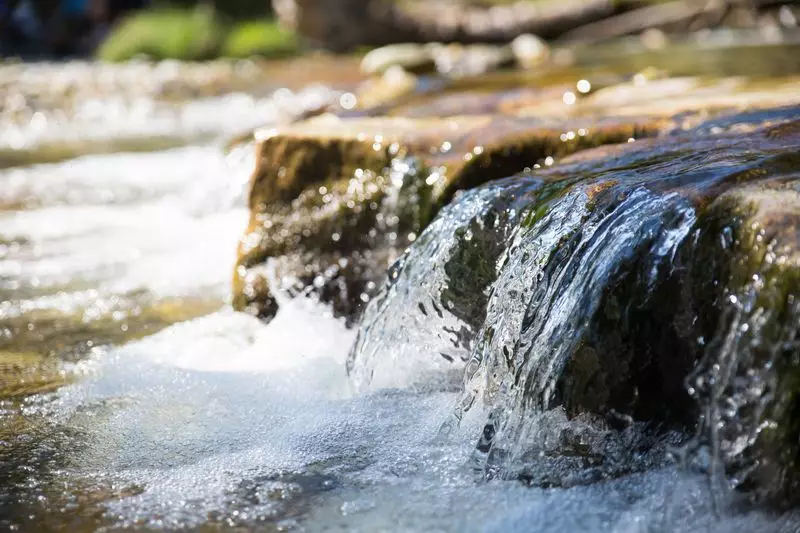
For millennia, the story of the Indian subcontinent has been written not just in stone and scripture, but in the relentless flow of its mighty rivers. These aquatic giants are far more than mere water bodies; they are the master architects, the eternal sculptors who have chiseled the land, nurtured civilizations, and woven themselves into the very cultural and spiritual fabric of the nation. Their journey from icy mountain peaks to vast, fertile deltas is a saga of geological force and life-giving bounty.
The Himalayan Architects: Carving Mountains and Civilizations
The northern frontier of India is dominated by the young, dynamic rivers born from the great Himalayan range. These include the mighty Indus, the Ganga, and the Brahmaputra. Unlike their peninsular cousins, these are antecedent rivers, meaning they existed before the Himalayan ranges rose. As the tectonic plates collided and the mountains thrust skyward, these powerful rivers maintained their course, cutting deep gorges and valleys like the awe-inspiring Indus Gorge.
This relentless erosion performed by the Himalayan river systems plays a crucial dual role. First, it continuously shapes the rugged mountain topography. Second, and perhaps more significantly, it transports unimaginable volumes of silt and fertile alluvium from the mountains down to the plains. This process created the Indo-Gangetic Plain, one of the world's most extensive and fertile river basins. It was upon this rich, water-fed plain that the earliest Indian civilizations, like the Indus Valley Civilization, took root and flourished. The rivers provided the essential triad for settlement: water for drinking and irrigation, fertile soil for agriculture, and routes for transportation and trade.

The Peninsular Storytellers: Ancient Rivers and Seasonal Rhythms
In contrast to the youthful, snow-fed Himalayan systems, the rivers of the Peninsular Plateau, such as the Godavari, Krishna, Kaveri, and Narmada, tell a different tale. These are consequent rivers, meaning their paths were determined by the slope and structure of the ancient, stable plateau. They flow on a landscape that is geologically much older, resulting in generally broader, shallower valleys and a more mature drainage pattern.
A key characteristic of most peninsular rivers is their rain-fed nature. Their flow is heavily dependent on the monsoon rains, making them seasonal with dramatic fluctuations between a raging flood in the wet months and a trickle or even dry beds in the summer. Despite this seasonality, they have been instrumental in shaping the Deccan Plateau and have supported agriculture and kingdoms in the south for centuries. Major projects have harnessed their waters for irrigation and hydroelectric power, transforming regional economies.
Beyond Geography: Rivers as Cultural and Spiritual Lifelines
The influence of India's rivers transcends physical geography. They are revered as goddesses, central to countless rituals, myths, and festivals. The Ganga is the quintessential symbol of purity and liberation. The Saraswati, though largely lost, lives on in cultural memory as a river of knowledge. The Narmada is circumnavigated in a sacred pilgrimage called the parikrama.
This deep spiritual connection has historically translated into a ethos of conservation and respect for river ecosystems. However, modern pressures—pollution, unsustainable water extraction, and dam construction—pose severe threats. Recognizing rivers as legal entities in some states highlights the urgent contemporary struggle to balance development with the preservation of these sacred sculptors.
In conclusion, the rivers of India are the subcontinent's defining feature. They carved its mountains, built its plains, dictated where cities would rise, and inspired its deepest philosophies. From the geological might of the antecedent Himalayan rivers to the seasonal pulse of the peninsular streams, each waterway has contributed a unique chapter to India's ongoing story. Understanding their role is not just a lesson in geography, but a key to understanding India's past, present, and the critical environmental challenges of its future.