Faded in Memory, Survived in Craft: The Untold Story of India's Artisanal Legacy
In the bustling modern world, where mass production and digital innovations dominate, there exists a quiet, resilient thread of India's cultural fabric: its artisanal crafts. These traditional skills, passed down through generations, have often faded from public memory, yet they survive in the hands of dedicated artisans. This article explores the poignant journey of these crafts, from near-obscurity to hopeful revival, underscoring their enduring significance in India's heritage.
The Silent Struggle of Forgotten Crafts
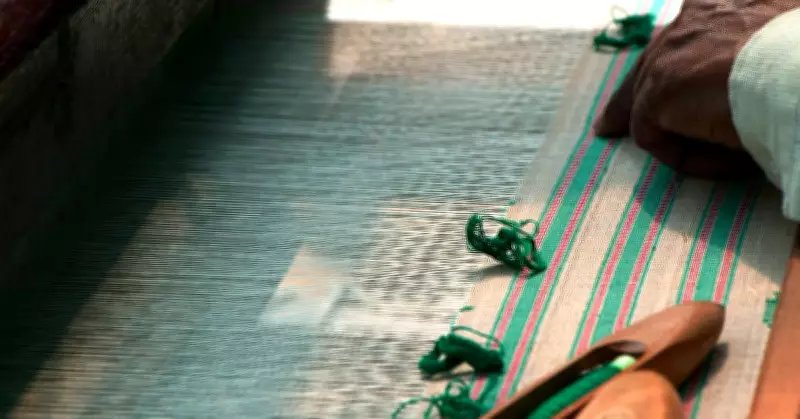
Across India, numerous artisanal crafts face the threat of extinction. From intricate handloom weaving in remote villages to delicate metalwork in urban workshops, these skills are often overlooked in the rush toward industrialization. Many artisans, the custodians of these traditions, struggle with economic hardships, lack of market access, and dwindling interest from younger generations. Despite this, their craftsmanship persists, a testament to human resilience and cultural pride.
For instance, the art of Patola silk weaving from Gujarat, once celebrated globally, now relies on a handful of families. Similarly, Dhokra metal casting, an ancient technique from tribal regions, battles to find relevance in contemporary markets. These crafts are not merely products; they are living histories, embedding stories of communities, rituals, and artistic expression.

Revival Efforts: Breathing New Life into Old Traditions
In recent years, there has been a growing movement to revive these fading crafts. Government initiatives, non-profit organizations, and private enterprises are stepping in to provide support. Schemes like the Handicrafts Development Program aim to offer financial aid, training, and marketing platforms to artisans. Additionally, digital platforms and e-commerce have opened new avenues, allowing crafts to reach global audiences.
Collaborations with designers and integration into modern lifestyles have also played a crucial role. For example, traditional Kashmiri papier-mâché is now being used in home decor items, while Madhubani paintings from Bihar adorn fashion accessories. These efforts not only preserve the crafts but also ensure sustainable livelihoods for artisans, fostering a sense of dignity and continuity.
The Cultural and Economic Impact
The survival of these crafts holds profound cultural and economic implications. Culturally, they serve as a bridge to India's rich past, offering insights into regional identities and artistic evolution. Economically, the handicrafts sector contributes significantly to rural employment and exports. According to recent data, it supports millions of artisans, many of whom are women, empowering communities and promoting inclusive growth.
Moreover, the revival of artisanal crafts aligns with global trends toward sustainability and ethical consumption. Consumers are increasingly valuing handmade, eco-friendly products over mass-produced goods. This shift presents an opportunity to position India's crafts not just as relics of the past, but as vibrant, relevant elements of a sustainable future.
Challenges and the Path Forward
Despite progress, challenges remain. Key issues include:
- Lack of awareness: Many people are unaware of the diversity and value of these crafts.
- Inadequate infrastructure: Artisans often lack access to modern tools and resources.
- Market competition: Cheap imitations and synthetic alternatives threaten authenticity.
- Generational gaps: Youth migration to cities leads to skill erosion in rural areas.
To address these, a multi-faceted approach is essential. This includes:

- Enhancing education and outreach programs to raise public awareness.
- Investing in technology to improve production efficiency without compromising tradition.
- Strengthening intellectual property rights to protect artisans from exploitation.
- Fostering partnerships between artisans, designers, and businesses for innovation.
By embracing these strategies, India can ensure that its artisanal heritage not only survives but thrives, enriching both culture and economy for generations to come.