Reverse Baraat Movement: Fathers Turn Divorce Into Homecoming Celebration
In a powerful reimagining of one of India's most iconic wedding traditions, a growing movement of fathers is transforming divorce proceedings into celebratory homecomings for their daughters. The traditional baraat, typically a loud, energetic procession marking a daughter's departure from her parental home, is being creatively reversed to symbolize her joyful return.
A Father's Welcome Outside the Family Court
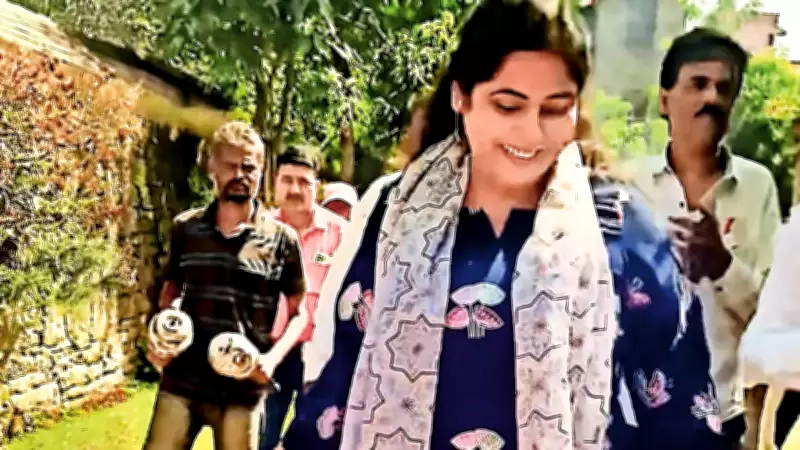
Earlier this month, a poignant scene unfolded outside a family court in Meerut where a former judge waited with a small but determined crowd. All participants wore matching black T-shirts bearing the heartfelt message: 'I Love My Daughter. My Heart, My Soul.' His daughter Pranita, emerging from the court, wore a complementary shirt declaring 'My Family, My Life.'
What made this gathering extraordinary was its ceremonial nature. Complete with traditional garlands, celebratory mithai (sweets), and a dhol player ready to perform, this was designed as a proper baraat procession—but moving in the opposite direction. Instead of marking a daughter's departure from her childhood home, this reverse baraat celebrated her return to family support and unconditional love.

Challenging Societal Norms Through Celebration
This innovative approach addresses a question that has long gone unasked in Indian society: Why do we celebrate when daughters leave but offer little ceremony when they return? The reverse baraat movement fundamentally challenges the stigma often associated with divorce, particularly for women in traditional communities.
By appropriating the visual and emotional language of weddings—the music, the sweets, the ceremonial procession—these fathers are making a powerful statement about family values. They're demonstrating that a daughter's worth isn't diminished by marital status and that parental homes remain places of sanctuary regardless of life circumstances.
The Broader Social Implications
This movement represents more than individual family celebrations. It signals a potential shift in how Indian society views divorce, women's autonomy, and family support systems. The public nature of these reverse baraats—often conducted outside family courts or in community spaces—serves to normalize conversations about marital dissolution while emphasizing continued family bonds.
The Meerut event, while particularly well-organized, reflects a broader trend of families seeking to support daughters through difficult transitions with dignity and celebration rather than secrecy or shame. As more families adopt this approach, it could help reduce the social isolation many divorced women experience and reinforce the message that family support transcends marital status.
This creative adaptation of tradition demonstrates how cultural practices can evolve to meet contemporary social needs while preserving their emotional resonance and community-building functions.