Long before it became a place of quiet reflection, Sabarmati Ashram served as a crucible of ideas that shaped India's freedom struggle. One of its silent witnesses was Nandini, a modest guesthouse that hosted some of India's most influential minds during the 1920s.
A Hub for Poets, Politicians, and Pacifists
Within its walls, the austerity of simple living met the fire of intense debate. This atmosphere was shared by a remarkable spectrum of poets, politicians, and pacifists. Notable figures included Rabindranath Tagore, Motilal Nehru, Charles 'Deenbandhu' Andrews, Sarojini Naidu, and Dr. Rajendra Prasad.
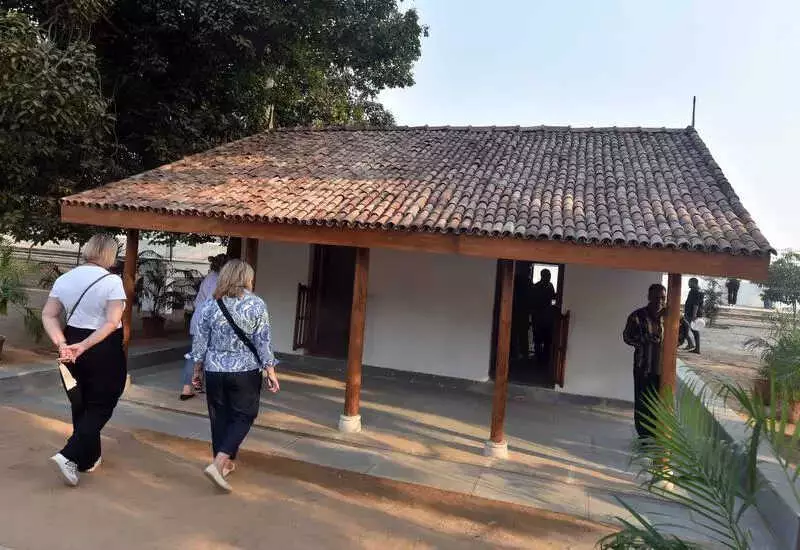
After a careful nine-month restoration project, Nandini is once again ready to tell its stories. The seven-room guesthouse was constructed in 1920 to the right of Gandhi's residence, known as Hriday Kunj.

Restoration Brings History to Life
Ahmedabad-based architect Rabindra Vasavada and his team completed the restoration work. Their efforts now offer visitors a unique glimpse into how Mahatma Gandhi's philosophy was actually lived, not just preached.
The restored premises provide a deeper look at the ashram's lesser-known residents. Dr. Prithi Nambiar, senior programme director at the Centre for Environment Education, conceptualized the exhibits. She emphasizes that the narrative extends beyond famous names.
Highlighting Lesser-Known Figures
Among those highlighted in the new displays are British pacifist Reginald Arthur Reynolds, author Krishna Hutheesing, and writer Horace Alexander. Krishna Hutheesing was Jawaharlal Nehru's sister and contributed significantly to literary circles.
According to Dr. Nambiar, the exhibits combine archival images, contextual text, and interactive panels. These elements work together to show how Gandhi's philosophy shaped the lives and thinking of those who lived at the ashram.
"The focus remains on the time they spent here and how Mahatma shaped their thoughts," Dr. Nambiar explained during a recent interview.
Simplicity Defined Daily Life
One central room has been furnished to reflect the striking simplicity that defined daily life at the ashram. Visitors can see how little distinction existed between guests and residents.
The only exceptions to this egalitarian approach were Gandhi's accommodation of individual religious food practices. The ashram also provided a western-style toilet for visitors unfamiliar with local facilities.
Firsthand Accounts Capture the Experience
This austere lifestyle is vividly captured in Reginald Reynolds' book, To Live in Mankind: A Quest for Gandhi. Describing his stay at the ashram, Reynolds wrote about his accommodations in detail.
"My room was a square stone cell, with two shelves and two built-in cupboards," Reynolds recalled. "There was also a rough bedstead, which felt like an unexpected luxury. On my arrival, the only chair in the entire ashram had been put at my disposal. But I soon managed to be rid of it."
Additional Restoration Work Completed
Ashram officials confirmed that restoration work has also been completed on another important quarter. This space is located diagonally opposite Hriday Kunj and served multiple residents over the years.
The room was used at different times by Madeleine Slade, also known as Mirabehn. She was Gandhi's British companion who actively supported India's Independence movement. Later, Vinoba Bhave occupied the same space before leading the influential Bhoodan movement.
Authentic Artifacts Enhance Understanding
The room has been restored to its original form and will display period-appropriate artifacts. These include traditional water pots and other everyday items. Such objects help visitors visualize life at the ashram during the peak years of the Independence movement.
Increased Visitor Interest Expected
Experts believe the restoration of these historic spaces will significantly increase visitor footfall to Sabarmati Ashram. The timing coincides with major upcoming events that will draw attention to Ahmedabad and its historical significance.
When combined with events like the Commonwealth Games, these restored spaces offer tourists deeper insights into India's freedom struggle. They provide tangible connections to the people and ideas that shaped modern India.