Republic vs Democracy: How Political Systems Shape Your Travel Experience
For countless travelers, the first hints about a country's political framework emerge well before any sightseeing commences. A monarch's portrait displayed prominently at an airport, a presidential seal stamped on immigration documents, or a national holiday officially named "Republic Day" can instantly spark curiosity. Why does one nation retain a monarchy while another elects a president? Why are some countries labeled republics and others democracies, and what practical implications does this hold for visitors?
The Core Distinction: Republics and Democracies Explained
Although the terms "republic" and "democracy" are frequently used interchangeably in casual conversation, they actually describe distinct aspects of how nations are governed. A republic is fundamentally defined as a state that does not have a hereditary monarch. In such systems, the head of state—whether a president or another official—is typically elected or appointed, and the state operates under a constitution or a codified body of law.
In contrast, a democracy refers to a political system where the ultimate source of political power resides with the people, usually exercised through free and fair elections. These two concepts often overlap but are not identical. A country can be both a republic and a democracy, one without the other, or neither, creating a fascinating spectrum of governance models that travelers encounter globally.

First Impressions: Kings, Presidents, and National Symbols
One of the most immediately noticeable differences for travelers is the identity of a nation's head of state. In destinations like London, visitors observe royal guards, historic palaces, and the monarch's portrait embossed on currency. In Tokyo, the Emperor remains a deeply venerated cultural icon. Conversely, in cities such as Paris, Rome, or Washington D.C., there are no palaces or crowns; instead, the head of state is an elected president.
These visual cues point to deeper structural distinctions. Recognizing whether a country is a republic or a monarchy provides insight into its historical evolution and contemporary civic identity, enriching the travel experience beyond mere aesthetics.
Monarchies That Embrace Democracy
A common misconception is that nations with kings or queens cannot be democratic. In reality, some of the world's most stable and prosperous democracies are constitutional monarchies. Countries including the United Kingdom, Sweden, Norway, the Netherlands, Belgium, Spain, and Japan all maintain monarchs as ceremonial heads of state.
However, genuine political power in these nations rests with elected parliaments and governments. Citizens enjoy the right to vote freely, laws are crafted by elected representatives, the judiciary operates independently, and civil liberties are robustly protected. For tourists, this explains why countries with elaborate royal rituals and opulent palaces can simultaneously be remarkably open and modern in terms of political freedoms. The monarch serves primarily as a unifying symbol, while day-to-day governance remains democratic.
Republics That May Not Be Democratic
Conversely, not all republics are democracies. Many nations adopt the title "republic" simply because they lack a monarchy and feature a president as head of state. Some of these republics do not conduct fully free elections or guarantee comprehensive political rights.
For travelers, this distinction can significantly influence daily experiences. In democratic republics like India, France, Germany, or the United States, political discussions are often open and vibrant, the press operates freely, and legal systems provide substantial protections. In less democratic republics, political topics might be sensitive, public protests could be restricted, and certain symbols or comments might be legally discouraged. This is why international organizations frequently categorize nations as "democratic republics," "authoritarian republics," or "hybrid regimes" when assessing political freedoms.
Democracy's Practical Impact on Visitors
Democracy is characterized by citizen participation and guaranteed rights rather than the formal title of the head of state. In democratic countries, travelers typically encounter:

- Free and competitive electoral processes
- Multiple political parties and public campaigning
- Independent judicial systems and predictable legal frameworks
- A free press and open political discourse
These features generally ensure that the environment is one where laws are transparent, police are accountable, and rights are clearly defined—all crucial factors for visitors seeking a safe and predictable travel experience.
Republics: Constitutions, Presidents, and Civic Pride
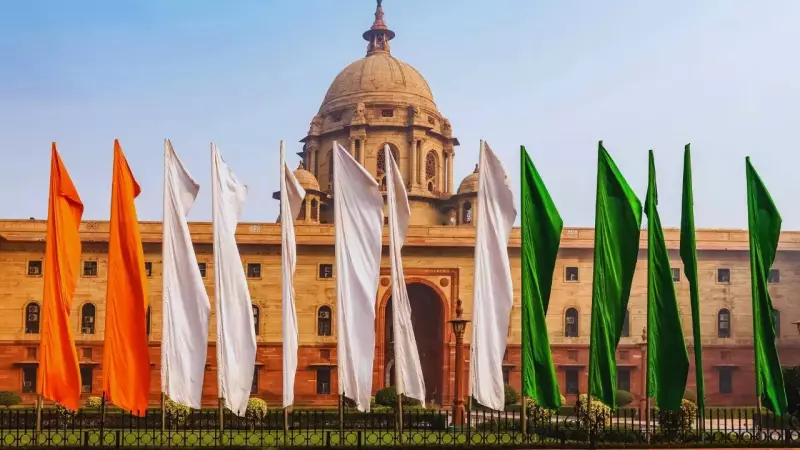
In republics, the absence of monarchy is often reflected in national identity and civic culture. Nations such as France, Italy, and India place significant emphasis on republican ideals like citizenship, equality, and the rule of law. India's grand Republic Day parade on January 26th, France's Bastille Day celebrations, and presidential inaugurations in the United States are all public events that commemorate the republic and its constitutional principles.
National Holidays and Ceremonies: A Traveler's Guide
Republics frequently celebrate Republic Day, marking the adoption of a constitution or the transition from monarchy. India's Republic Day on January 26th, Italy's Festa della Repubblica in June, and Turkey's Republic Day in October are major public holidays featuring parades, ceremonies, and cultural displays. Monarchies, on the other hand, often celebrate coronations, royal birthdays, or national days linked to the crown. In the United Kingdom, the Trooping the Colour ceremony attracts large crowds, while in Japan, Emperor's Birthday is a national holiday. Recognizing whether a nation is a republic or a monarchy helps travelers appreciate the historical and cultural significance of such events.
Why Governance Matters for Everyday Travel
Political systems influence far more than ceremonial occasions; they directly affect the practicalities of travel. In democratic nations, tourists generally benefit from:
- Clear legal procedures and independent courts
- Strong protections for freedom of speech and expression
- Open access to information and diverse media sources
In less democratic countries, travelers might encounter:
- Restrictions on photographing government buildings or sensitive sites
- Limitations on political discussions in public spaces
- Stricter controls on public demonstrations and gatherings
Understanding a country's political context can help travelers avoid unintentional legal breaches and demonstrate greater respect for local customs and sensitivities.
Enriching Your Journey Through Political Awareness
For the discerning traveler, grasping the difference between a republic and a democracy is not about taking political sides or delving into complex ideologies. It is about cultivating cultural awareness and contextual understanding. Knowing who leads a country, why specific holidays are observed, why certain figures appear on currency or monuments, and why some political expressions are acceptable in one place but not another, all contribute to a richer, more meaningful travel experience. Every destination has a unique story to tell through its political structure, and understanding that narrative allows travelers to move beyond superficial sightseeing to genuine engagement with the world.