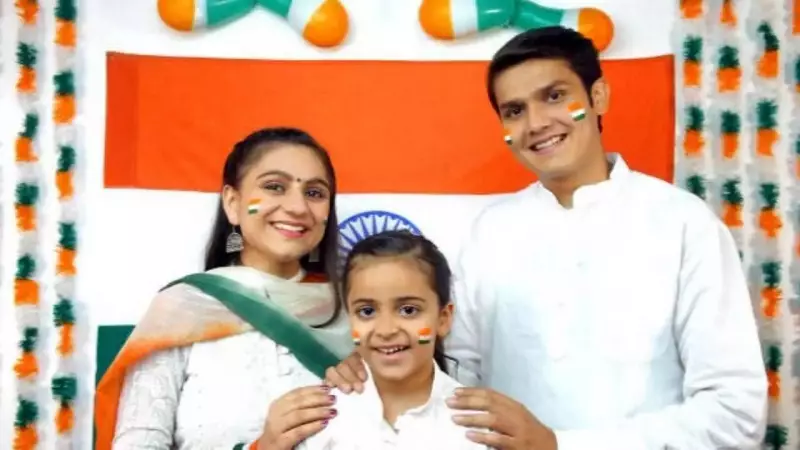
Republic Day represents far more than a national holiday characterized by grand parades and patriotic melodies; it serves as a profoundly significant occasion for parents to engage their children in meaningful discussions about the fundamental values that shape the identity of the Republic of India. This day provides an exceptional platform to emotionally connect young minds with the Constitution of India, enabling them to grasp the true essence of what it means to be a citizen of this diverse and vibrant nation.
What Republic Day Truly Celebrates
Parents can initiate conversations by explaining that Republic Day commemorates the historic moment in 1950 when India adopted its own Constitution. While Independence Day celebrates the nation's freedom from colonial rule, Republic Day honors the establishment of the rules, values, and laws that govern the country. This distinction helps children understand that freedom must be guided by principles. Through these discussions, parents can introduce concepts of fairness, equality, and justice, transforming the Constitution from a mere document into a living framework that protects and guides every Indian citizen.
Understanding Rights Alongside Duties
An essential aspect of Republic Day education involves teaching children about their rights while simultaneously emphasizing their responsibilities. Every child should learn that citizenship involves not only enjoying freedoms but also respecting others' rights and protecting public property. This balanced approach helps young minds appreciate that true citizenship requires both privilege and responsibility, creating a foundation for respectful and law-abiding behavior in society.

Diversity as India's Greatest Strength
The spectacular Republic Day parade vividly showcases India's incredible diversity in all its colorful glory, providing parents with a perfect visual aid to discuss unity in diversity. Parents can explain how people across India speak different languages, follow varied traditions, and practice diverse customs while remaining united as one nation. Teaching children to appreciate rather than fear differences helps cultivate empathy and understanding, preparing them to become compassionate citizens who value India's pluralistic society.
Freedom and Expression in Daily Life
Parents can make abstract concepts tangible by explaining freedom through relatable examples, such as sharing opinions, pursuing interests, and expressing creativity. By teaching children to respect differing viewpoints, parents help expand their thinking positively. This approach introduces the democratic principle of dialogue over dominance, demonstrating how respectful discussion forms the bedrock of India's democratic system, making complex governance concepts accessible even to the youngest citizens.
How Children Can Practice Citizenship Today
Republic Day presents the perfect occasion to demonstrate that active citizenship can begin at any age. Parents can encourage small but meaningful actions like practicing honesty, helping neighbors, participating in community activities, and protecting the environment. These practical examples empower children by showing them how their individual actions contribute to the nation's wellbeing, fostering a sense of connection to India's present and future development.
Through these multifaceted discussions, Republic Day transforms from a ceremonial observance into a powerful educational experience that instills constitutional values, democratic principles, and civic responsibility in the next generation of Indian citizens.