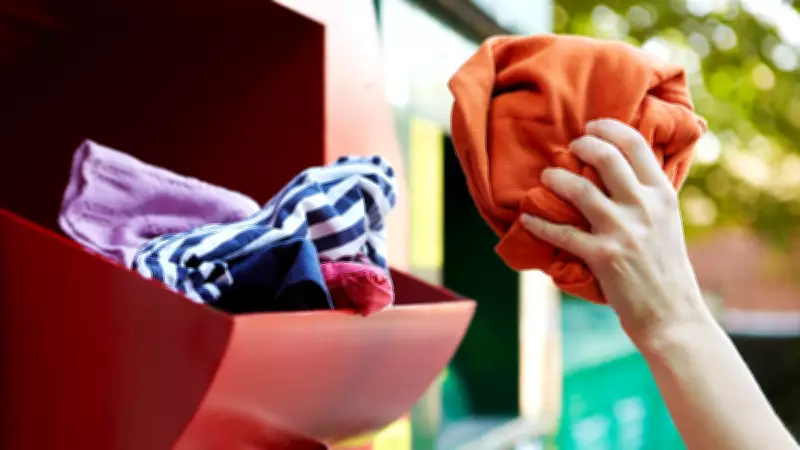
Recycling, Before It Was Fashionable: A Personal Reflection
In an era where recycling has become a global trend and environmental consciousness is at its peak, it is worth looking back at the simple, heartfelt practices that predated this modern movement. Pragati Nayak offers a poignant personal account of how using items that once belonged to siblings filled her with a deep sense of pride and connection, long before sustainability became a buzzword.
The Early Days of Hand-Me-Downs
Growing up, Nayak experienced the joy and practicality of hand-me-downs, a form of recycling that was ingrained in family life. These items, passed down from older siblings, were not just second-hand goods but treasures that carried memories and stories. Each piece of clothing, book, or toy became a symbol of familial bonds and resourcefulness, teaching valuable lessons about conservation and appreciation from a young age.
Pride in Practicality
Nayak recalls how using these items instilled a unique sense of pride. Unlike today's fast fashion and disposable culture, hand-me-downs represented a sustainable choice that was both economical and environmentally friendly. This practice fostered a mindset of reusing and repurposing, highlighting how everyday actions can contribute to a larger ethos of sustainability without the need for grand gestures or public recognition.

Lessons for Modern Times
Reflecting on this personal journey, Nayak emphasizes the relevance of such practices in today's world. As recycling gains momentum globally, her story serves as a reminder that sustainable living often starts at home, with simple, heartfelt traditions. It challenges the notion that environmentalism is a new phenomenon, showing how past generations unknowingly paved the way for current trends through their innate wisdom and practicality.
Key Takeaways from Nayak's Experience
- Family Bonds: Hand-me-downs strengthen connections and create shared histories within families.
- Sustainability Roots: Recycling practices have deep roots in personal and cultural traditions long before they became fashionable.
- Economic and Environmental Benefits: Reusing items reduces waste and saves resources, aligning with modern environmental goals.
- Personal Pride: Taking pride in sustainable choices can foster a lasting commitment to eco-friendly living.
In conclusion, Pragati Nayak's narrative is a powerful testament to the enduring value of recycling in its simplest form. It encourages readers to look beyond trends and embrace sustainable practices that are both meaningful and impactful, proving that sometimes, the most profound lessons come from the heart of home.