Across the tapestry of spiritual history, many revered guides and teachers are known globally by titles that signify their journey, rather than the names given at birth. These adopted names often mark a profound personal transformation, a renunciation of the worldly self, or the attainment of enlightenment. Knowing the original identities of these figures offers a deeper, more human connection to their legacy, reminding us that their wisdom emerged from a personal path of seeking.
From Birth Names to Spiritual Titles: A Journey of Transformation
The shift from a given name to a spiritual moniker is rarely accidental. It is a conscious shedding of one identity to embrace another, often reflecting core philosophies or divine experiences. This section explores the original identities of some of the world's most influential spiritual minds.
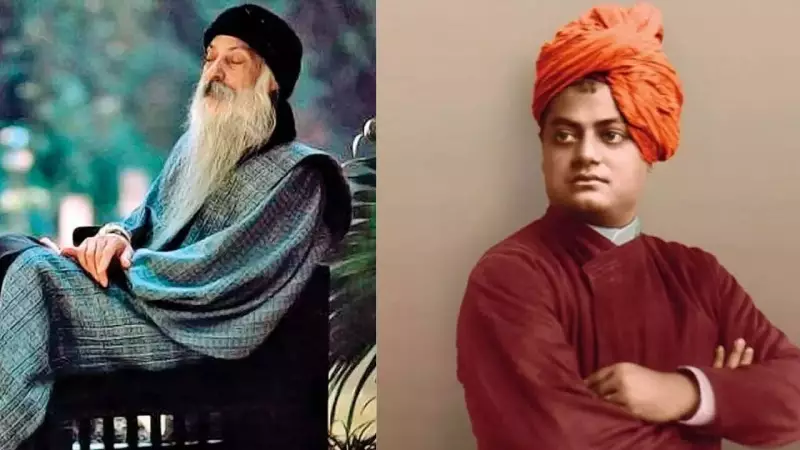
Osho, known for his provocative talks on meditation and consciousness, was born as Rajneesh Chandra Mohan Jain on December 11, 1931. He adopted several names throughout his life, including Bhagwan Shree Rajneesh, before his disciples began calling him Osho in the late 1980s. The term "Osho," he explained, is derived from William James's word 'oceanic' and symbolizes dissolving into an ocean of experience.

The globally beloved Dalai Lama, the spiritual leader of Tibetan Buddhism, entered this world as Lhamo Thondup on July 6, 1935. At the age of two, he was recognized as the reincarnation of the 13th Dalai Lama and given the name Tenzin Gyatso. "Dalai Lama" is a Mongolian title meaning "Ocean of Wisdom," representing the vast depth of compassion and understanding he embodies.
Indian Spiritual Icons and Their Original Identities
India's rich spiritual landscape is home to countless masters who are known by honorifics. Their birth names, however, root them in a specific time, place, and family, making their subsequent journeys even more remarkable.
The 15th-century saint and key proponent of the Bhakti movement, Chaitanya Mahaprabhu, was originally named Vishvambhar Mishra. He later became known as Chaitanya Mahaprabhu, a name signifying divine consciousness and spiritual energy, after a profound spiritual awakening in Gaya.
The founder of Sikhism, Guru Nanak, was born simply as Nanak in 1469 in Talwandi (now Nankana Sahib, Pakistan). The title "Guru," meaning teacher or enlightener, was later prefixed to his name by his followers in recognition of his divine wisdom and the establishment of a new spiritual path based on one God, equality, and service.
One of India's most celebrated spiritual ambassadors, Swami Vivekananda, was born Narendranath Datta in Calcutta on January 12, 1863. After becoming a disciple of Sri Ramakrishna, his monastic name became Swami Vivekananda—"Viveka" meaning discrimination and "Ananda" meaning bliss—a name that perfectly captured his mission to blend spiritual wisdom with service to humanity.
Ancient Wisdom and Modern Saints
The tradition of name transformation extends back millennia and continues into more recent times, connecting ancient teachings with contemporary devotion.
The founder of Buddhism, Gautama Buddha, was born Prince Siddhartha Gautama in the 6th century BCE in Lumbini. "Siddhartha" means "one who achieves his goal." After attaining enlightenment under the Bodhi tree, he became known as the Buddha, or "the Awakened One."
The saint affectionately known as Neem Karoli Baba, who had a significant following in India and the West, was originally named Lakshman Das Maharaj. His popular name derives from the village of Neem Karoli, where his ashram was located. He is revered for his simple devotion and miraculous legends.
The 19th-century mystic Sri Ramakrishna, known for his intense devotion to the Divine Mother, was born Gadadhar Chattopadhyay in 1836 in Kamarpukur. His spiritual name, Ramakrishna, reflects his deep love and spiritual practices dedicated to the deities Rama and Krishna, symbolizing the unity of all divine forms.

Understanding these foundational identities does more than satisfy curiosity. It bridges the gap between the exalted spiritual figure and the individual who undertook an extraordinary journey. It reminds us that enlightenment is not an inherited trait but a state achieved through personal struggle, discovery, and transformation, making the teachings of these masters all the more accessible and inspiring.