Raja Ravi Varma's Masterpiece Yashoda and Krishna Sells for Record ₹167.2 Crore
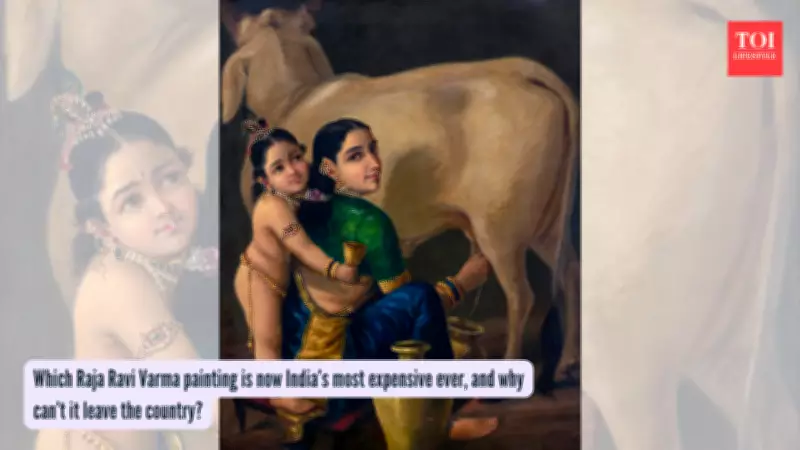
The art world witnessed a historic moment as legendary painter Raja Ravi Varma's masterpiece Yashoda and Krishna achieved unprecedented recognition through a high-profile auction at Saffronart in Mumbai. This iconic work, created around the 1890s, has now been officially declared the most expensive Indian painting ever sold at auction, fetching an astonishing approximately ₹167.2 crore.
Cyrus Poonawalla Acquires National Treasure
Following an intensely competitive bidding process, billionaire Cyrus S. Poonawalla, founder of the Serum Institute of India, emerged victorious in securing this cultural treasure. The acquisition represents more than just a financial transaction—it preserves a vital piece of India's artistic heritage for future generations.
In a significant development, the Indian government has designated Yashoda and Krishna as a "Non-Exportable National Treasure" under the Antiquities and Art Treasures Act. This legal designation ensures the original painting must remain within India's borders, protecting it from potential export to international collections.

Cyrus Poonawalla has publicly committed to making this masterpiece accessible to the public, stating his intention to display it periodically for public viewing rather than keeping it exclusively in private hands. This approach aligns with the painting's cultural significance and ensures broader appreciation of Ravi Varma's artistic genius.
The Artistic Brilliance of Yashoda and Krishna
Raja Ravi Varma's Yashoda and Krishna represents a pinnacle achievement in Indian art history. The oil-on-canvas work captures a tender, intimate moment between the infant Lord Krishna and his foster mother Yashoda within a simple rural home setting. In this beautifully rendered scene, Yashoda is depicted milking a cow while young Krishna playfully interrupts her, creating a powerful representation of maternal love that transcends cultural boundaries.
Art historians particularly admire several distinctive elements of this masterpiece:
- Divine Symbolism: The exquisitely detailed cow in the background subtly references Kamadhenu, the wish-fulfilling cow of Hindu mythology, adding layers of spiritual meaning to an otherwise domestic scene
- Technical Innovation: Ravi Varma masterfully blended Western oil-painting techniques with traditional Indian mythological themes, creating a revolutionary approach that made divine figures appear human and relatable
- Emotional Depth: The painting's true power lies in its authentic portrayal of universal maternal affection, making it accessible and emotionally resonant across diverse audiences
Raja Ravi Varma: Father of Modern Indian Art
Born in Kilimanoor, Kerala, into a royal family, Raja Ravi Varma demonstrated exceptional artistic talent from an early age. His training under his uncle and later British artist Theodor Jenson provided the foundation for his groundbreaking style that would transform Indian visual culture.
Ravi Varma's career achievements include:
- Winning prestigious awards at the Madras Painting Exhibition during the 1870s
- Receiving international recognition at exhibitions in Vienna and Chicago
- Establishing a printing press in Mumbai in 1894 that revolutionized art accessibility
The artist's decision to produce affordable lithographic prints of his paintings represented a revolutionary democratization of art in India. This initiative made images of deities like Lakshmi and Saraswati visually standardized and accessible to ordinary households, fundamentally shaping how generations of Indians visualized their gods and goddesses.
Masterpiece Debate and Cultural Legacy
While Yashoda and Krishna now holds the distinction of being Ravi Varma's highest-priced painting, art scholars continue to debate which work truly represents his ultimate masterpiece. Some critics maintain that other creations, such as Shakuntala—particularly praised for its emotional depth in depicting Shakuntala pretending to remove a thorn while glancing at her lover King Dushyanta—deserve equal recognition for their artistic merit.

Nevertheless, the record-breaking auction price and National Treasure designation have solidified Yashoda and Krishna's position as one of the most culturally significant artworks in Indian history. Major collections of Ravi Varma's work continue to be preserved at prestigious institutions including:
- The Sree Chitra Art Gallery in Thiruvananthapuram
- The Laxmi Vilas Palace in Vadodara
- The Jaganmohan Palace in Mysuru
This historic sale not only celebrates Raja Ravi Varma's enduring legacy but also highlights the growing appreciation and valuation of Indian art on the global stage. The painting's journey from royal collections to public accessibility through Cyrus Poonawalla's stewardship represents a new chapter in preserving India's rich artistic heritage for future generations to study and admire.