Raja Ravi Varma's Record Sale Sparks Frenzy in Oleograph Print Market
The recent auction of Raja Ravi Varma's masterpiece oil painting 'Yashoda and Krishna', which shattered records by selling for over Rs 167 crore earlier this month, has created seismic waves throughout the Indian art world. This historic transaction has not only cemented the painting's status as the most expensive Indian artwork ever sold but has also triggered a dramatic resurgence in the market for Ravi Varma's oleographs.
From Mass-Produced Decor to Collector's Treasure
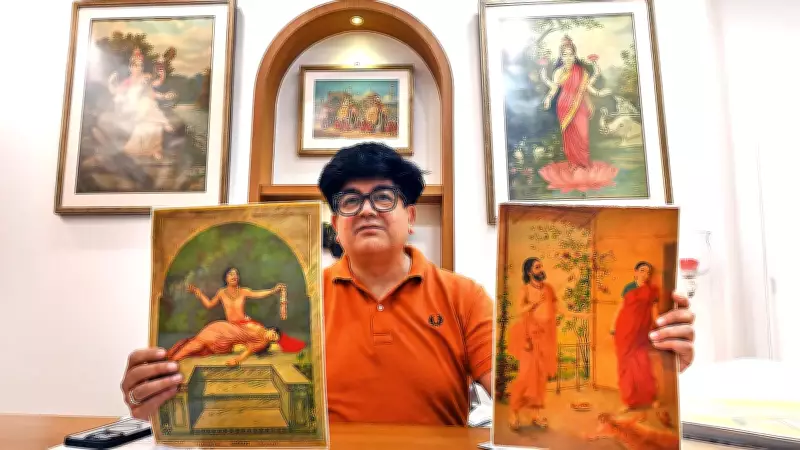
For decades, collectors of Ravi Varma's oleographs—specialised lithographic prints, also known as chromolithographs, that are meticulously textured to mimic the appearance of original oil paintings—have pursued these works despite their historical perception as mere mass-produced decorative items. These prints, once widely available and often dismissed as kitsch, are now experiencing a profound transformation in both cultural appreciation and financial valuation.
The monumental sale of 'Yashoda and Krishna' has injected a powerful sense of renewed urgency and legitimacy into this niche collecting community. Long-time enthusiasts who have patiently assembled collections over years are now witnessing a rapid escalation in both demand and market prices for these prints.

The Ripple Effect Beyond the Auction Room
The impact extends far beyond the elite auction houses where original paintings command astronomical sums. Art dealers, gallery owners, and private collectors report a significant uptick in inquiries and transactions involving Ravi Varma oleographs. The record-breaking sale has effectively validated the artistic and historical significance of these prints, elevating them from overlooked reproductions to coveted artifacts of Indian cultural heritage.
This market shift represents a fascinating evolution in how Indian art is perceived and valued. Where once these chromolithographs were commonplace in middle-class homes as affordable art, they are now being reassessed as important cultural documents that democratized access to Ravi Varma's iconic imagery during the late 19th and early 20th centuries.
Understanding the Oleograph Phenomenon
To appreciate this market surge, it's essential to understand what makes these prints special:
- Historical Significance: Ravi Varma pioneered the use of oleography in India, making his mythological and portrait works accessible to a broader public through affordable prints.
- Technical Mastery: The chromolithograph process involved multiple lithographic stones and careful coloring to achieve oil-painting-like textures and depth.
- Cultural Impact: These prints shaped visual culture across India, influencing everything from calendar art to religious iconography for generations.
The current frenzy among collectors reflects a growing recognition that these prints are not mere copies but significant artworks in their own right, with their own provenance, rarity variations, and historical narratives. As the original painting market reaches stratospheric levels, the oleograph market offers a more accessible yet increasingly valuable entry point into Ravi Varma's artistic legacy.
This renewed interest is likely to continue driving prices upward as more collectors enter the market, museums reconsider these works for exhibitions, and scholars deepen research into Ravi Varma's printmaking legacy. The Rs 167 crore sale has effectively rewritten the value proposition for all works associated with this pioneering Indian artist.