Ratha Saptami 2026: A Comprehensive Guide to the Sacred Sun Festival
Ratha Saptami, a revered Hindu festival dedicated to Lord Surya, the sun god, is set to be observed on January 25, 2026. This auspicious day, also known as Surya Jayanti or Magha Saptami, holds profound spiritual significance in Indian culture, marking the symbolic commencement of the sun's northward journey, or Uttarayan. Celebrated on the seventh day (Saptami) of the bright half (Shukla Paksha) of the Hindu month of Magha, Ratha Saptami 2026 promises to be a time of devotion, renewal, and cosmic alignment for millions of devotees across India and beyond.
Significance and Spiritual Meaning of Ratha Saptami
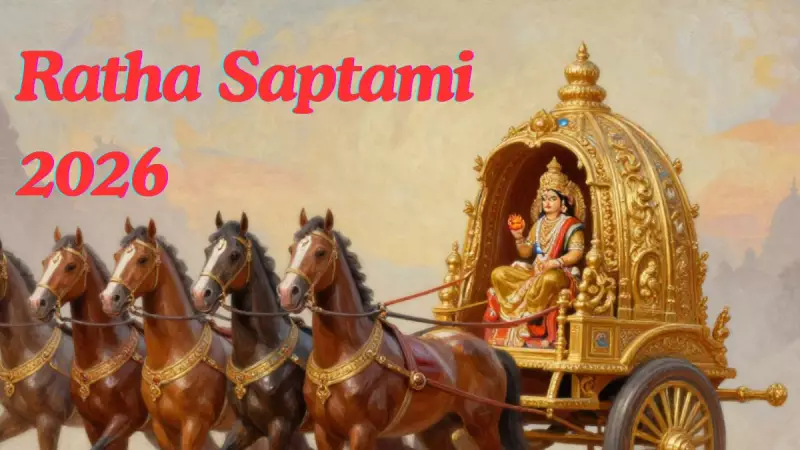
The term "Ratha Saptami" translates to "the seventh day of the chariot," symbolizing the sun god's chariot drawn by seven horses, which represent the seven days of the week or the seven colors of sunlight. This festival is deeply rooted in Hindu mythology and astrology, emphasizing the sun's vital role in sustaining life on Earth. According to ancient scriptures, Ratha Saptami is believed to be the birthday of Lord Surya, making it an occasion to honor his divine energy and seek blessings for health, prosperity, and spiritual enlightenment.
In 2026, the observance of Ratha Saptami aligns with the broader cultural and agricultural calendar, as it signifies the transition from winter to spring in many parts of India. Devotees view this day as an opportunity to purify their souls, overcome obstacles, and invoke the sun's radiant power to dispel darkness and ignorance. The festival's timing during Uttarayan is particularly auspicious, as it is considered a period of positive cosmic energy, ideal for spiritual practices and new beginnings.

Ratha Saptami 2026 Date and Muhurat Details
For Ratha Saptami 2026, the key timings and muhurat are crucial for performing rituals with precision. The festival falls on Sunday, January 25, 2026, according to the Gregorian calendar. In the Hindu lunar calendar, this corresponds to Magha Shukla Saptami. The Saptami Tithi begins at 10:41 PM on January 24, 2026, and ends at 08:10 PM on January 25, 2026. The most auspicious time for puja, known as the Surya Arghya Muhurat, is typically during sunrise, but specific timings may vary based on regional astrological calculations. Devotees are advised to consult local panchangs or priests for exact muhurat details to ensure the rituals are performed at the optimal moment for maximum spiritual benefit.
Puja Vidhi and Rituals for Ratha Saptami 2026
The puja vidhi for Ratha Saptami involves a series of traditional rituals designed to honor Lord Surya and harness his benevolent energies. Here is a step-by-step guide to the common practices observed during this festival:
- Early Morning Bath: Devotees wake up before sunrise and take a sacred bath, often in rivers or at home, using water mixed with sesame seeds or holy herbs. This act symbolizes purification and preparation for the day's worship.
- Surya Namaskar and Mantras: Facing the east, practitioners perform Surya Namaskar (sun salutations) and chant powerful mantras dedicated to Lord Surya, such as the Gayatri Mantra or Aditya Hridayam Stotram, to invoke divine blessings.
- Offering Arghya: Water mixed with red sandalwood, flowers, and rice is offered to the rising sun as Arghya, a gesture of reverence and gratitude for the sun's life-giving energy.
- Puja Setup: A small altar is prepared with an idol or image of Lord Surya, adorned with red flowers, sandalwood paste, and incense. Offerings include fruits, sweets, and betel leaves.
- Lighting Diya and Reciting Prayers: A diya (lamp) is lit, and prayers are recited to seek protection, good health, and success in endeavors. Devotees may also fast or consume sattvic food as part of their observance.
In addition to these rituals, some regions in India celebrate Ratha Saptami with processions or temple ceremonies, where chariots symbolizing the sun's journey are paraded. The emphasis is on devotion, community participation, and connecting with nature's cycles.

Cultural and Health Benefits of Observing Ratha Saptami
Beyond its religious aspects, Ratha Saptami 2026 offers numerous cultural and health benefits. Culturally, it reinforces India's rich spiritual heritage, bringing families and communities together in shared worship and festivity. The festival promotes values of gratitude, discipline, and environmental awareness, as it highlights the sun's indispensable role in ecosystems and agriculture.
From a health perspective, the rituals associated with Ratha Saptami encourage physical and mental well-being. The early morning bath and Surya Namaskar practice improve circulation, flexibility, and vitality, while the focus on meditation and mantra chanting reduces stress and enhances mental clarity. By aligning with the sun's energy, devotees often report increased positivity and a sense of renewal, making Ratha Saptami a holistic celebration of body, mind, and spirit.
As Ratha Saptami 2026 approaches, devotees can look forward to a day filled with spiritual fervor and traditional observances. By understanding the date, puja vidhi, and significance, individuals can participate meaningfully in this ancient festival, embracing its timeless message of light, life, and divine connection. Whether through personal prayer or community events, Ratha Saptami serves as a reminder of the sun's eternal grace and the enduring power of faith in Indian culture.