The Numismatic Treasure of Mysore's Rulers
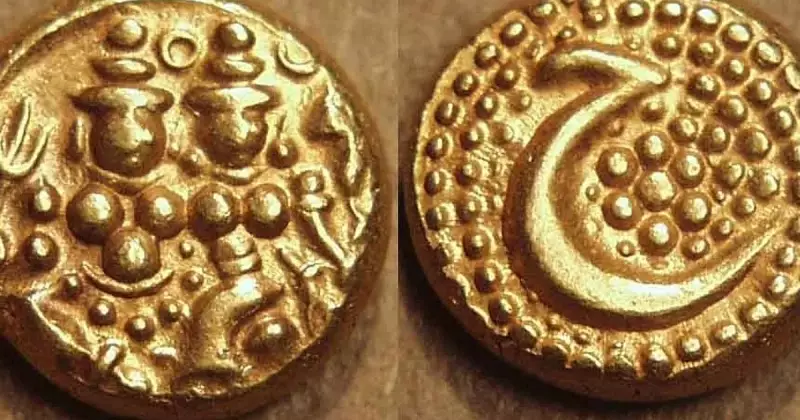
During the brief but significant period of the Mysore Sultanate, both Hyder Ali and his son Tipu Sultan created a remarkable legacy through their coinage that continues to captivate collectors and historians today. These coins, minted between approximately 1761 and 1799, represent not just currency but pieces of history from one of South India's most dynamic periods.
Hyder Ali's Copper Paisa: Foundation of Sultanate Currency
Hyder Ali, who effectively ruled the Kingdom of Mysore from 1761 to 1782, established the foundation of the Sultanate's monetary system. His administration issued several copper coins, most notably the copper paisa that became the workhorse of everyday transactions throughout his territories. These coins were produced across various mints established under his authority, each bearing distinctive marks that help modern numismatists trace their origins.
The copper coinage served practical economic purposes while also asserting Hyder Ali's authority across the region. Unlike previous rulers, Hyder Ali's coins reflected his unique position as a de facto ruler who hadn't completely overthrown the Wodeyar dynasty, creating fascinating numismatic hybrids that tell the story of this transitional period in Mysore's history.

Tipu Sultan's Silver Rupee: Symbol of Sovereign Power
Following his father's death, Tipu Sultan expanded and refined the monetary system, introducing sophisticated silver coinage that included the silver one rupee coin. These higher denomination coins served both economic and symbolic purposes, representing the Sultanate's growing wealth and Tipu's assertion of complete sovereignty.
Tipu's coinage reflected his innovative spirit and resistance to British influence. His silver rupees featured unique designs and inscriptions that distinguished them from both Mughal and East India Company coinage, making clear his independent authority. The production of these coins across multiple mints demonstrated the reach and administrative capability of his regime until its fall in 1799 during the Fourth Anglo-Mysore War.
Modern Collector Appeal and Historical Significance
Today, coins from the Mysore Sultanate period are highly sought after by numismatists and historians alike. The relative brevity of the Sultanate's existence—coupled with the destruction of many coins following Tipu Sultan's defeat—makes surviving specimens particularly valuable. Collectors covet these coins not only for their rarity but for the stories they tell about a pivotal era in South Indian history.
The coins issued by both Hyder Ali and Tipu Sultan provide tangible connections to their administrative policies, economic vision, and the cultural landscape of late 18th-century Mysore. As Michael Patrao's research highlights, these numismatic artifacts continue to reveal new insights about the Sultanate's governance and its place in the broader context of Indian history.
Current market demand for Mysore Sultanate coins remains strong, with well-preserved specimens of Tipu Sultan's silver rupees and Hyder Ali's copper paisa commanding significant attention at auctions and among private collectors. Their value extends beyond mere monetary worth, serving as enduring symbols of a defiant kingdom that challenged British expansion in Southern India.