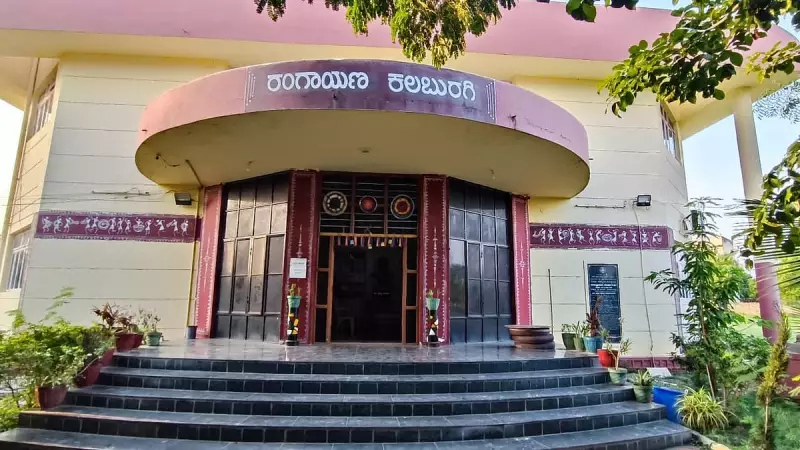
Karnataka's prestigious theatre repertory, Rangayana, is confronting a severe survival challenge across its regional branches. A worrying shortage of new artists and technical staff is pushing several of its centres to the brink of closure, threatening a key pillar of the state's cultural landscape.
Branches on the Brink: A Statewide Struggle
The crisis is most acute in the branches located in Kalaburagi, Dharwad, Shivamogga, Davangere, and Karkala in Udupi district. These centres, established to decentralise and promote theatre arts, are now struggling to maintain their operations. The sole exception appears to be the flagship and original repertory located in Mysuru, which continues to function with relative stability. The core issue plaguing the other branches is a dramatic and consistent decline in the number of applicants for crucial positions as performers and backstage technicians.
The Vanishing Pool of Talent
Over recent years, the influx of fresh talent applying for roles within Rangayana's satellite centres has dwindled significantly. This paucity of interested and qualified individuals has created a operational vacuum. The institution, known for its rigorous training and contribution to Kannada theatre, finds itself unable to replenish its ranks with a new generation of practitioners. This trend points to a broader shift in career aspirations among the youth, who are increasingly looking toward other professional fields, leaving traditional arts institutions scrambling for human resources.

Implications for Karnataka's Cultural Fabric
The potential downsizing or closure of these branches carries significant consequences. Firstly, it would centralise theatrical activity solely in Mysuru, negating the objective of regional cultural outreach. Secondly, it represents a loss of institutional knowledge and a platform for grassroots theatrical expression in those districts. The situation calls for urgent intervention from cultural policymakers to make careers in theatre more viable and attractive. Strategies may include enhanced fellowships, better integration with academic streams, and robust digital outreach to connect with younger audiences and potential artists. The future of these Rangayana branches now hinges on such innovative steps to reverse the current trend.