Rang Mānd Theatre Festival 2026 in Goa to Examine Urbanization's Social Toll
Drawing inspiration from Goa's rich indigenous performance traditions, particularly the ritualistic Perni Jagor, the upcoming Rang Mānd theatre festival will critically address the social consequences of rapid urbanization. This year's edition, scheduled from March 27 to 29, 2026, will delve into how changing landscapes are fundamentally reshaping community life in Goa, offering a poignant reflection on modern challenges through the lens of traditional art forms.
Festival Details and Historical Collaboration
Coinciding with World Theatre Day 2026, the three-day festival will be hosted at the Sunaparanta Goa Centre for the Arts in Altinho. This event marks a significant milestone, celebrating 15 years of fruitful collaboration with Abhivyaktee Panaji. The festival is open to all attendees with prior registration, featuring evening performances starting at 7 pm each day, providing a platform for artistic expression and community engagement.
Opening Performance: Sindaborchi Kaani
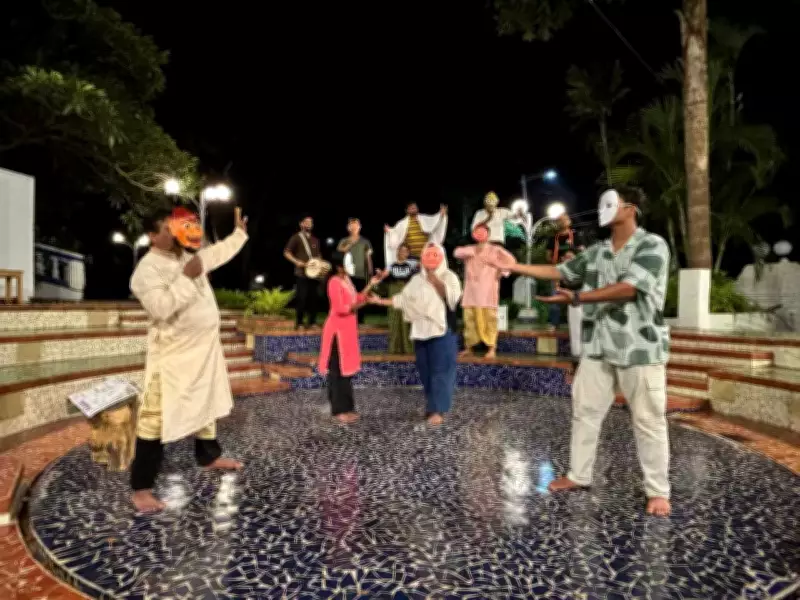
The festival kicks off on March 27 with Sindaborchi Kaani, a Konkani production deeply rooted in Perani Jagor, one of Goa's oldest theatrical traditions. Written by renowned folklorist and Padma Shri awardee Vinayak Khedekar and directed by Saish Deshpande, this play masterfully blends traditional performance elements with contemporary societal concerns.

Deshpande explained, "All Goan folk theatre forms have historically served as platforms for social commentary. While we adhere to the Perani Jagor format with its vibrant masks, we emphasize the loss of connection with Mother Earth. Sindabor is a fictional setting where citizens prioritize luxurious homes and pleasures, ultimately selling ancestral land to fund their lifestyles. Metaphorically, we are all wearing masks by allowing this degradation to occur."
Diverse Performances Across Three Days
On March 28, the festival shifts tone with Eggsistential Cracksis, a multilingual solo performance by Asavari Gurav. This piece explores profound themes of identity, queer love, and artistic self-discovery, offering a nuanced perspective on personal and social narratives.
The closing evening on March 29 features AEIOQ++, a play performed by Antara Bhide and Smriti Rashmi Parhi, directed by Daksha Shirodkar. Through poetry and personal narratives, this work navigates questions of gender, belonging, and language, providing an intimate glimpse into queer lived experiences and the complexities of modern existence.
Significance and Broader Impact
The Rang Mānd festival not only preserves Goa's cultural heritage but also adapts it to address pressing issues like urbanization, environmental degradation, and social identity. By integrating traditional forms like Perni Jagor with contemporary themes, the festival fosters dialogue and awareness, encouraging audiences to reflect on the balance between development and cultural preservation. This event stands as a testament to the enduring power of theatre to critique and inspire change in society.