Ramadan Greetings: Understanding 'Mubarak' vs 'Kareem' for the Holy Month
As Ramadan 2026 commences, a common question arises globally: which greeting should one use when extending wishes to friends and neighbors during this sacred period—"Ramadan Mubarak" or "Ramadan Kareem"? These phrases resonate widely across Muslim communities, yet subtle distinctions exist that enrich their usage.
The Core Meanings: Blessed vs Generous
Ramadan Mubarak, translating literally to "Blessed Ramadan," stands as the classic, gold-standard greeting. It embodies a traditional religious sentiment, akin to saying "Have a blessed month." This phrase focuses on the spiritual blessings inherent in Ramadan, making it a timeless choice for well-wishers.
Conversely, Ramadan Kareem means "Generous Ramadan." While "Mubarak" emphasizes blessings, "Kareem" highlights the spirit of giving, hospitality, and the multiplied rewards Muslims believe characterize this month. In regions like the Gulf, "Ramadan Kareem" enjoys immense popularity, aligning perfectly with the culture of grand Iftars and boundless generosity.

Regional Preferences and Global Variations
Across the Gulf, including the UAE, both greetings are common, with personal preferences shaping usage. The choice often hinges less on grammar and more on the "vibe" one wishes to convey—whether emphasizing blessings or generosity.
Globally, Muslim communities adapt greetings to local contexts:
- In South Asia, "Ramzan Mubarak" is frequently used.
- North Africa might employ phrases like "Kul 'am wa antum bi khair."
- English speakers often opt for "Happy Ramadan," especially in multicultural settings.
Languages from Urdu and Persian to French and Turkish offer their own expressions, reflecting Ramadan's worldwide spiritual significance and shared celebrations.
Practical Tips for Respectful Greetings
To ensure your wishes feel sincere and respectful, consider these guidelines:
- Time your greeting appropriately, ideally after the moon sighting or as Ramadan begins on the first day of fasting.
- A warm smile and tone enhance any greeting, even a simple "Happy Ramadan" in English.
- If someone says "Ramadan Kareem," a gracious reply is "Allahu Akram," meaning "God is even more generous."
- Learning basic Arabic phrases like "As-salaam 'alaykum" (Peace be upon you) shows deeper cultural respect beyond holiday greetings.
Ultimately, the intention behind your words—conveying kindness, respect, and appreciation—matters most to those observing Ramadan.
The Broader Significance of Ramadan
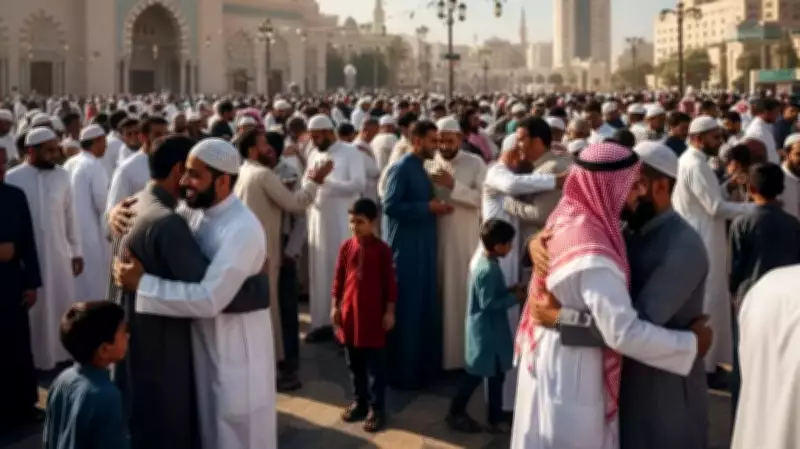
Ramadan transcends a mere holiday; it is a month where millions of Muslims worldwide fast from dawn to sunset, engage in spiritual reflection, increase prayers, give to charity, and strengthen familial and community bonds. Sharing greetings, whether "Ramadan Mubarak," "Ramadan Kareem," or in your native language, connects you to this profound tradition.
As Ramadan shifts annually based on the lunar calendar, the opportunity to extend these wishes arrives with excitement and joy. In 2026, whether you choose "Mubarak," "Kareem," or a heartfelt "Happy Ramadan," your thoughtfulness will brighten someone's day and link you to a cherished practice embraced by nearly two billion people globally.