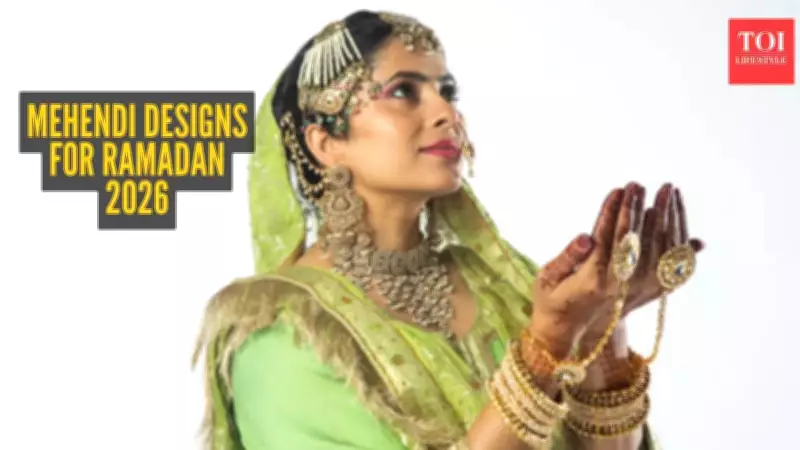
Ramadan 2026 Mehendi Trends: Celebrating Tradition with Modern Designs
Ramadan has arrived, bringing with it a palpable shift in atmosphere. The evenings grow softer, nights extend with a comforting stillness, and a profound quiet settles in after Maghrib prayers as households complete their iftar meals and find peace. This sacred month is not only a time of spiritual devotion but also carries deep emotional resonance. Amidst the daily rhythm of fasting, prayer, work, and culinary preparations, a subtle anticipation builds—the approach of Eid. One of the most cherished traditions enhancing this festive buildup is the application of mehendi.
There is something uniquely special about applying henna during Ramadan. The cool sensation of the paste on your skin, the earthy aroma that lingers in the air, the careful efforts to avoid smudging the design, and the awkward yet hopeful posture of sleeping with hands outstretched—all contribute to a ritual that transforms ordinary moments into celebrations. Waking up to check the deepening color first thing in the morning adds to the excitement. For those planning their mehendi this month, 2026 introduces several beautiful trends that emphasize simplicity, wearability, and authenticity.
Top Mehendi Trends for Ramadan 2026
Minimal Finger Mehendi

Minimalist mehendi focusing on the fingers is gaining significant popularity this year. This trend caters to those who prefer subtlety over full palm coverage. Designs feature thin, leafy lines tracing down a single finger, delicate dots, or slim bands resembling elegant rings. The aesthetic is clean, understated, and easy to apply, making it perfect for daily prayers and intimate iftar gatherings.
Classic Arabic Style
The timeless Arabic mehendi style remains a favorite, characterized by large floral motifs, flowing vines, and diagonal patterns that create open, uncluttered spaces on the hands. Its intricate yet airy design feels particularly fitting for Chand Raat, when excitement peaks and communities come together in joyful, sleep-deprived celebration.
Floral Mehendi Designs
Floral patterns are having a significant moment in 2026. Moving away from mixed elements like paisleys and heavy fillings, contemporary designs focus exclusively on flowers. Soft petals, expansive blooms, and leaves stretching from wrist to fingers create a fresh, feminine look that pairs beautifully with pastel Eid outfits.
Bracelet-Style Mehendi
Bracelet-style mehendi offers a modern twist on tradition. This design wraps around the wrist like jewelry, featuring circular central patterns with chain-like details. It is ideal for those who want noticeable adornment without covering their palms, blending contemporary aesthetics with cultural heritage.
Back Hand Mehendi
Focusing mehendi application on the back of the hands is a practical and stylish trend. Since this area is prominently visible in photographs, designs often include bold florals or symmetrical patterns extending toward the fingers. This approach saves time—a valuable advantage during Ramadan when energy levels are often low.
Mandala Mehendi
Mandala designs continue to be beloved for their calming and balanced appearance. A simple circle in the center of the palm, surrounded by light detailing, embodies the centered and reflective mood of Ramadan, offering a sense of harmony and peace.
White Mehendi
White mehendi, though not made from real henna but from body paint, remains popular for Eid night. Its striking contrast against darker outfits makes it a festive choice. Many women use traditional brown henna throughout Ramadan and experiment with white designs on Eid for added fun and variety.
The Deeper Significance of Mehendi in Ramadan
Beyond aesthetic trends, mehendi holds profound cultural and emotional significance during Ramadan. This month emphasizes restraint, patience, and self-discipline, encouraging reflection and personal growth. Applying henna towards the end of Ramadan serves as a quiet reward—a tangible acknowledgment of perseverance and spiritual journey.

Henna traditions span generations across Muslim cultures, symbolizing not only beauty but also care, celebration, and connection to heritage. The act of applying mehendi before Eid prayers links individuals to a broader historical and communal tapestry.
Mehendi also fosters bonding and togetherness. Chand Raat is often a lively, chaotic time filled with last-minute errands, preparations, and excited children. Amidst this hustle, women gather with mehendi cones, sharing designs, laughter, and sweets while carefully preserving their artwork. These moments of closeness and conversation enrich the festive experience.
Furthermore, mehendi symbolizes joy—a visible manifestation of happiness on the skin after a month of dedicated effort. To achieve a deep, lasting color, proper application techniques are essential:
- Wash hands thoroughly before applying henna.
- Leave the paste on for several hours, despite any discomfort.
- Avoid immediate washing with water; instead, use a lemon and sugar mixture to aid color setting.
- Remember that the stain darkens over 24 hours, so initial lightness is normal.
Ramadan 2026 embodies a balance between worship and warmth, reflection and reunion, simplicity and celebration. Mehendi seamlessly integrates into this equilibrium, offering a quiet yet powerful expression of anticipation for Eid. In its understated elegance, it captures the essence of the season—making the wait for celebration truly meaningful.