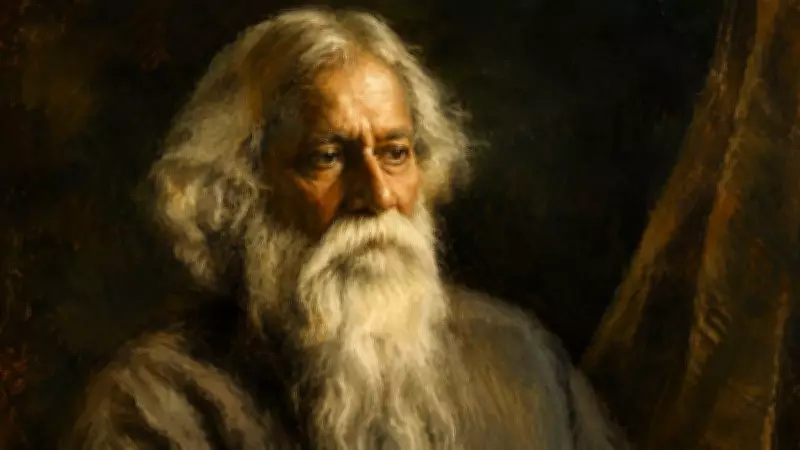
Rabindra Jayanti, the birth anniversary of the legendary poet and Nobel laureate Rabindranath Tagore, is celebrated with great fervor in India and across the world. In 2026, the occasion will be observed on two different dates: May 7 and May 9. This unique occurrence has sparked curiosity among many, leading to questions about why Tagore's birthday is celebrated twice.
The Dual Celebration Explained
The reason behind the dual celebration lies in the difference between the Gregorian calendar and the Bengali calendar. Rabindranath Tagore was born on May 7, 1861, according to the Gregorian calendar. However, his birth date in the Bengali calendar is the 25th day of the month of Baishakh, which corresponds to May 9 in 2026.
In West Bengal and other Bengali-speaking regions, Rabindra Jayanti is traditionally observed on the 25th of Baishakh, following the Bengali calendar. Meanwhile, the rest of India and many international bodies mark the occasion on May 7, as per the Gregorian calendar. This year, the alignment of the calendars results in both dates being celebrated.

Significance of Rabindra Jayanti
Rabindranath Tagore was a polymath who reshaped Bengali literature and music, as well as Indian art with Contextual Modernism in the late 19th and early 20th centuries. He became the first non-European to win the Nobel Prize in Literature in 1913 for his collection of poems, Gitanjali. His works include poems, novels, short stories, songs, dance dramas, and essays that speak to topics of politics, spirituality, and humanity.
On Rabindra Jayanti, cultural programs, poetry recitations, song performances, and discussions are held to honor his contributions. Schools, colleges, and cultural institutions organize events to celebrate his legacy.
Key Facts About Rabindranath Tagore
- Born: May 7, 1861 (Gregorian), 25 Baishakh 1268 (Bengali)
- Place of Birth: Jorasanko Thakur Bari, Kolkata
- Nobel Prize: Literature, 1913
- Famous Works: Gitanjali, The Home and the World, Chokher Bali
- Also known as: Gurudev, Kabiguru
In 2026, both dates offer an opportunity to pay tribute to the great poet. Whether on May 7 or May 9, the essence of Rabindra Jayanti remains the same: celebrating the timeless works of a cultural icon whose influence transcends borders.