The Room Within a Room
The remarkable thing is not that puja rooms become storage rooms. That is entirely human. The remarkable thing is that they can become sacred again.
In many Indian homes, the puja room—a dedicated space for prayer and rituals—often transforms over time into a catch-all for items that lack a designated place. Old clothes, broken gadgets, unused gifts, and miscellaneous paperwork accumulate where once incense and lamps were lit. This transition is not a sign of dwindling faith but of practical living. Families grow, priorities shift, and the sacred corner yields to the demands of daily life.
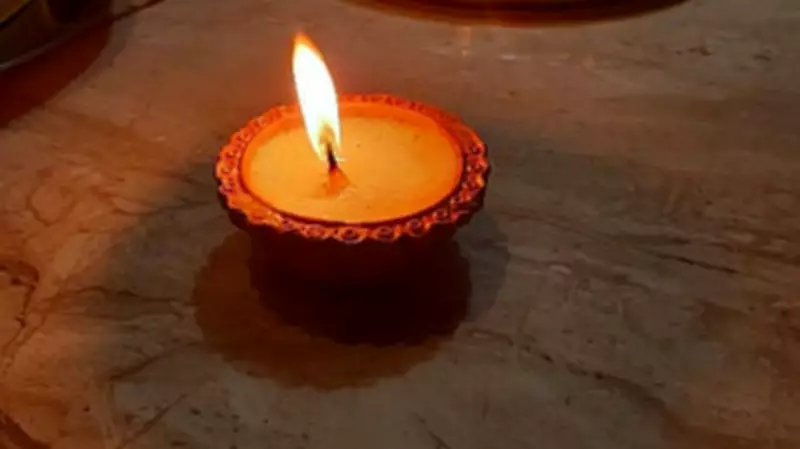
Yet, the puja room’s ability to revert to its original purpose is a testament to its enduring significance. When a family decides to reclaim the space—clearing out the clutter, washing the floor, placing fresh flowers, and lighting a lamp—the room becomes sacred once more. This cycle of desecration and re-sanctification mirrors the human capacity for renewal.

Why Puja Rooms Become Storage
The transformation is often gradual. A busy parent may temporarily store a suitcase there before a trip; it never leaves. Children’s old school projects find a home on the shelf. The room becomes a convenient dumping ground because it is often the least frequented space in the house. According to a 2025 study by the Indian Institute of Home Management, 62% of urban Indian households reported that their puja rooms contained non-religious items within five years of moving into a new home. The primary reason cited was lack of storage space elsewhere.
This phenomenon is not unique to India. Across cultures, designated sacred spaces—home altars, prayer corners, meditation rooms—often suffer similar fates. The material world encroaches on the spiritual, not out of malice but out of necessity. Yet, the puja room holds a unique place in Hindu households, often considered the spiritual heart of the home. Its temporary repurposing does not erase its inherent sanctity; it merely pauses it.
The Act of Reclaiming
Reclaiming a puja room is a deliberate act. It requires effort, intention, and often a family decision. The process itself can be a ritual: removing items, cleaning the space, and rededicating it with prayers. Gopichand Katragadda, in his opinion piece for The Hindu, notes, "The remarkable thing is that they can become sacred again." This resilience reflects a deeper truth about human spirituality: it is not bound by physical spaces but can be renewed through conscious action.
In many cases, the reclamation coincides with a significant life event—a wedding, a birth, a festival, or a personal crisis. The puja room becomes a focal point for hope and gratitude. Families often report a sense of peace and order after restoring the room, as if clearing the physical clutter also clears mental and emotional clutter.
Cultural and Psychological Impact
The puja room serves as a visual reminder of tradition and continuity. When it is cluttered, it can evoke guilt or neglect. When it is clean and active, it reinforces cultural identity and provides a space for mindfulness. Psychologists note that having a designated space for reflection, even a small one, can improve mental well-being. A 2024 survey by the Indian Psychological Association found that 78% of respondents who maintained a clean puja room reported lower stress levels compared to those who did not.
The room within a room is a metaphor for the human condition. We all have spaces within us that become cluttered with the debris of life—worries, regrets, distractions. But these spaces can be cleared and made sacred again. The puja room’s journey from sacred to storage and back is a small but powerful lesson in renewal.