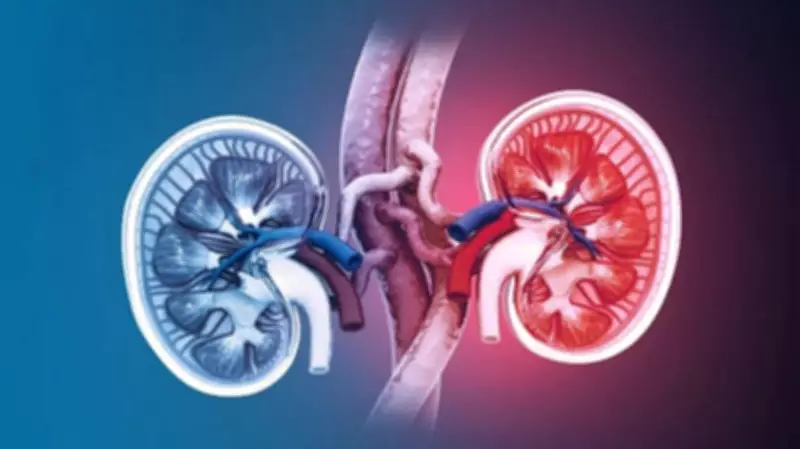
In 2022, nearly 435,000 new cases of kidney cancer and 156,000 deaths were recorded worldwide, according to global health data. Researchers project that if current trends continue, these numbers could double by 2050, underscoring the urgent need for awareness and early detection.
Genetic Factors in Kidney Cancer
Dr. Prasad Narayanan, an oncologist, highlights that while lifestyle factors such as smoking, obesity, and high blood pressure are known contributors, genetics also play a significant role. Certain inherited gene mutations, such as those in the VHL gene, can increase the risk of developing kidney cancer. However, most cases are sporadic, meaning they occur by chance rather than through direct inheritance.
According to Dr. Narayanan, individuals with a family history of kidney cancer should consider genetic counseling. Screening for mutations may help identify those at higher risk, allowing for earlier monitoring and intervention.

Global Trends and Projections
The 2022 figures represent a substantial health burden, and the projected doubling by 2050 highlights the importance of addressing modifiable risk factors. Public health initiatives focusing on reducing smoking rates, managing obesity, and controlling hypertension could help slow this trend.
Researchers emphasize that while genetic predisposition cannot be changed, awareness of family history can guide preventive measures. Regular check-ups and imaging tests for high-risk individuals may improve early detection rates, which are crucial for better outcomes.
What This Means for Patients
For those concerned about their genetic risk, Dr. Narayanan advises consulting a healthcare provider. Genetic testing is available but is typically recommended only for those with a strong family history or early-onset disease. Most kidney cancers are treatable when caught early, and understanding risk factors empowers patients to take proactive steps.
In summary, while genes can put some individuals at higher risk, lifestyle modifications and regular screening remain key strategies in combating the projected rise in kidney cancer cases.