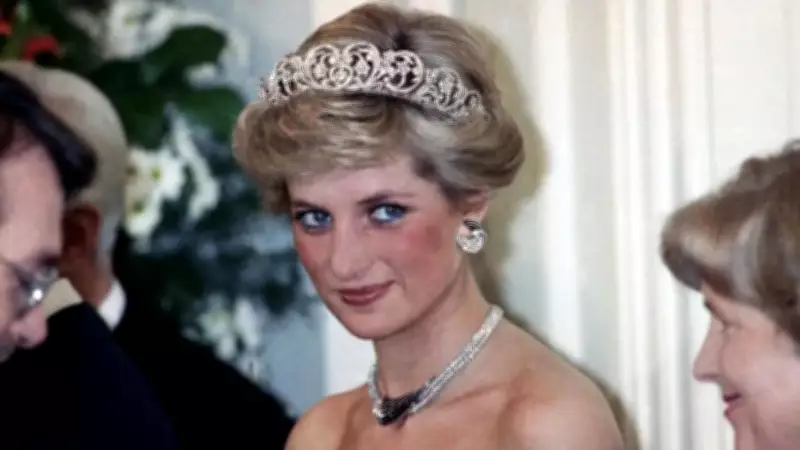
Princess Diana's Humanitarian Legacy: A Timeless Quote on Compassion
People worldwide remember Princess Diana not merely as a British royal but as a dedicated humanitarian who consistently aided those in need. She was renowned for her hands-on work with charities, hospitals, and at-risk communities, often emphasizing the importance of kindness, support, and emotional connections during difficult times. One of her most iconic quotes encapsulates her deeply human approach, revealing that helping others was integral to her identity, not an occasional gesture. Years after her death, her words continue to circulate widely on social media, news platforms, and public forums, particularly on days dedicated to inspirational messages. This enduring relevance stems from the quote's simplicity, emotional clarity, and focus on human dignity.
Quote of the Day by Princess Diana
“Nothing brings me more happiness than trying to help the most vulnerable people in society. It is a goal and an essential part of my life—a kind of destiny. Whoever is in distress can call on me. I will come running wherever they are.”
This statement highlights a consistent theme in Diana's public life: her unwavering commitment to assisting individuals facing physical, mental, or relational challenges. It underscores that she viewed humanitarian efforts not as a mere duty but as a profound calling, reflecting her personal mission to make a tangible difference.

Understanding the Meaning Behind the Quote
The quote conveys three core ideas that shape its powerful message:
- Emotional Fulfillment Through Helping Others: Diana expresses that aiding vulnerable individuals brings her unparalleled happiness, illustrating a perspective where compassion serves as a source of personal fulfillment and joy.
- Compassion as a Lifelong Goal and Destiny: By describing this work as a "goal" and "kind of destiny," she frames empathy as a sustained, purposeful endeavor rather than a fleeting interest, emphasizing its deep-rooted significance in her life.
- Urgency and Accessibility in Action: The phrase "I will come running wherever they are" stresses the need for immediate response and availability, advocating for a hands-on, proactive approach over distant or symbolic gestures.
Princess Diana’s Humanitarian Approach
Throughout her public life, Princess Diana was celebrated for her direct involvement in humanitarian causes. She moved beyond traditional royal protocols focused on public appearances, frequently visiting hospitals, shelters, and communities affected by illness or poverty. Her advocacy spanned diverse issues, including landmine eradication, child welfare, and homelessness support. Notably, she chose to physically interact with HIV/AIDS patients during an era of widespread misinformation and stigma, a bold move that helped shift public perceptions in the late 20th century.
Observers often praised her for her personal engagement—she preferred to speak, listen, and offer physical comfort during visits rather than maintain aloofness. This method reinforced her belief that compassion should be active and tangible, not passive or detached.
Why This Quote Continues to Be Shared Today
The ongoing circulation of this quote on digital platforms highlights its simplicity and universal appeal. In contemporary discussions on mental health, social inequality, and community support, it frequently appears in motivational and awareness contexts. Its enduring importance lies in its focus on accessibility and human connection rather than power or status, presenting empathy as boundless and inclusive.
In media, such quotes are commonly featured in "quote of the day" segments, particularly in articles exploring the evolution of compassionate leadership and social responsibility over time.
Princess Diana: Public Image and Global Recognition
During her lifetime, Princess Diana gained global recognition both as a royal figure and a humanitarian. She broke from conventional royal norms by prioritizing emotional connections over formal distance, endearing her to the public. Her prominence soared in the 1980s and 1990s as her charitable work received extensive media coverage, especially her involvement with causes affecting marginalized or misunderstood groups.

Since her passing in 1997, her legacy persists through active charitable foundations, public remembrance, and frequent references in global news narratives.
Emotional Impact of Her Words
The quote's power derives from its concise and direct nature, avoiding complex jargon in favor of relatable human experiences—helping those in need and responding to distress. Many interpret it as a societal duty reminder, conveying that empathy is a conscious choice, not just an emotion. Consequently, it is often utilized to promote charity awareness, volunteerism, and inspirational messaging.
Legacy of Compassion in Public Memory
Princess Diana's humanitarian endeavors form a significant part of her enduring legacy. Her public advocacy brought attention to issues previously overlooked in mainstream discourse, such as HIV/AIDS awareness and landmine abolition. These efforts fostered broader public conversations on health, dignity, and global responsibility.
This quote encapsulates that legacy by highlighting the importance of swift, emotional responses to those in distress, reinforcing her commitment to actionable compassion.
Other Famous Quotes by Princess Diana
- “Family is the most important thing in the world.”
- “Only do what your heart tells you.”
- “Anywhere I see suffering, that is where I want to be, doing what I can.”
- “Hugs can do great amounts of good—especially for children.”
- “People think that at the end of the day a man is the only answer to fulfillment. Actually, a job is better for me.”
- “I like to be a free spirit. Some don’t like that, but that’s the way I am.”
Influence on Modern Humanitarian Thinking
Princess Diana's public life and words remain influential in discussions on empathy-driven leadership. Her approach demonstrated that visibility and care can synergize to draw attention to social issues. In contemporary humanitarian discourse, her statements are often cited as examples of how public figures can directly support vulnerable groups. The concept of accessibility—a willingness to assist without barriers—remains a cornerstone of her legacy.
Her quote, “Nothing brings me more happiness than trying to help the most vulnerable people in society,” epitomizes a life grounded in kindness, openness, and service. Its timeless relevance speaks to universal values, transcending geographical and temporal boundaries. As it circulates in modern media through "quote of the day" features, it reinforces the idea that helping others is not only virtuous but a fundamental aspect of humanity.