The historic city of Prayagraj is set to embark on a significant journey to preserve its rich past while boosting its tourism appeal. The Prayagraj Municipal Corporation (PMC) has launched an ambitious project to develop three of its oldest neighbourhoods—Daraganj, Loknath, and Malviya Nagar—into designated ‘Heritage Mohallas’. This initiative aims to safeguard the city's deep historical roots and transform these areas into key cultural tourism destinations.
Project Details and Financial Outlay
The civic body has accelerated preparations for this transformative plan. The tendering process for the project is expected to be finalized by the end of this month. A substantial investment of Rs 15 crore has been earmarked for the comprehensive development of these heritage zones. According to Dinesh Chandra Sachan, the Chief Engineer of PMC, this project will not only conserve local traditions but also reshape these localities into prominent cultural hubs in the coming years.
The Historical Significance of the Three Mohallas
Each of the chosen neighbourhoods carries a unique legacy that is integral to Prayagraj's identity.

Daraganj, nestled on the banks of the Ganga near the sacred Triveni Sangam, is considered one of the city's earliest settlements. It is renowned for ancient temples like the Nagvasuki Temple, where devotees worship the serpent deity. Its labyrinth of narrow lanes houses historic structures and temples from pre-Mughal and Mughal eras, some dating back several centuries.
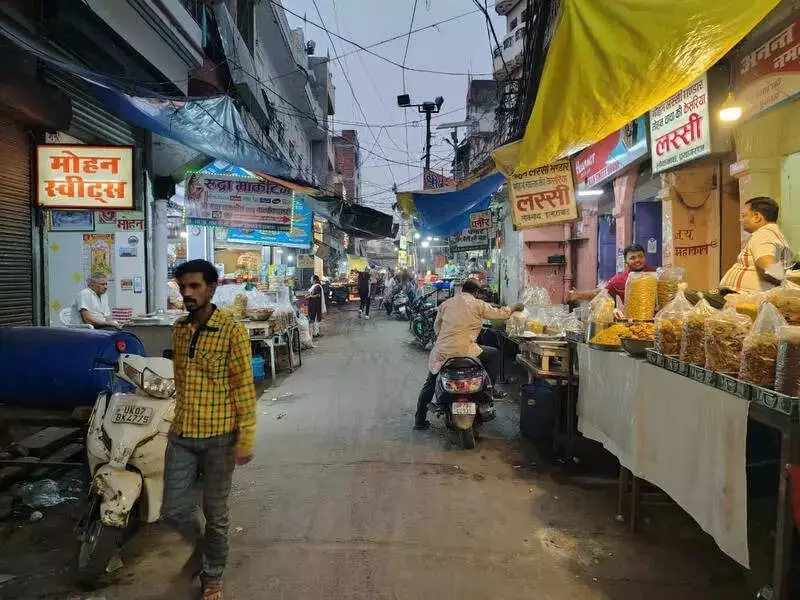
Loknath Mohalla is a vibrant old-city quarter known for its traditional markets, local eateries, and residential areas that have sustained community life for generations. Visitors can still experience the distinct Allahabadi dialect, cuisine, and a way of life that echoes a bygone, slower era.
Malviya Nagar bears the name of the revered freedom fighter and educationist, Bharat Ratna Madan Mohan Malaviya. This area reflects the city's intellectual spirit and is deeply woven into its religious and literary traditions.
Scope of Development and Amenities
The restoration plan is multi-faceted, focusing on both preservation and modernization:
- Restoration of streets and lanes to reflect their authentic historical character.
- Development of ancient buildings, some 300-400 years old, as curated tourist sites.
- Installation of statues honouring local freedom fighters and noted literary figures.
- Enhancement of visitor amenities including public Wi-Fi, attractive street lighting, food courts, and improved sanitation.
The goal is to create a vibrant environment that appeals to both residents and tourists, offering a seamless blend of the old and the new. A walk through these mohallas is designed to feel like a step back in time, where modern influences have gently integrated without disrupting the timeless essence.
This initiative by the Prayagraj Municipal Corporation represents a crucial step in urban conservation. By strategically investing in its heritage, Prayagraj is not just protecting its history but also creating a sustainable model for cultural tourism that celebrates its unique place in India's historical and spiritual landscape.