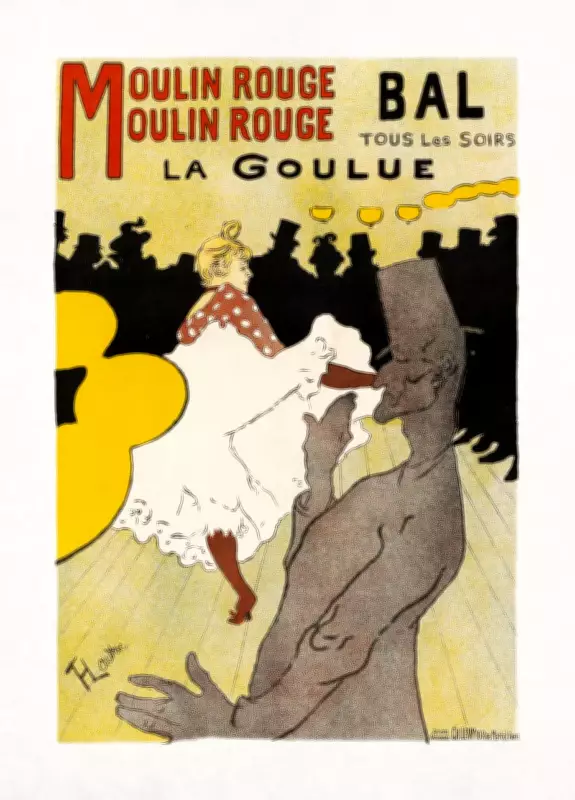
Poster as Public Art
In recent years, the humble poster has undergone a remarkable transformation, emerging from the realm of advertising and propaganda to claim a legitimate place in the world of public art. This shift reflects a broader cultural movement that recognizes the power of visual communication in shaping urban environments and fostering community engagement.
The Evolution of Posters
Historically, posters served primarily as tools for commercial advertising, political campaigns, and event promotion. Their bold graphics and concise messages were designed to capture attention quickly and convey information efficiently. However, as cities became saturated with commercial imagery, artists and activists began to reclaim the poster as a medium for creative expression and social commentary.
Today, posters are increasingly curated as part of public art initiatives, displayed on designated walls, in galleries, or even as part of temporary exhibitions. This shift has elevated the poster from a disposable commodity to a collectible art form, with artists experimenting with scale, texture, and multimedia elements.

Impact on Urban Landscapes
The integration of posters into public art has had a profound impact on urban landscapes. Blank walls and construction hoardings are transformed into vibrant canvases that reflect the character and concerns of local communities. This not only beautifies neglected spaces but also creates opportunities for dialogue around social issues, cultural identity, and historical memory.
Moreover, poster art often reaches a wider and more diverse audience than traditional gallery exhibitions. It democratizes art, making it accessible to everyone, regardless of socioeconomic background. This accessibility is crucial in fostering a sense of shared ownership and pride in public spaces.
Engaging Communities
Public art posters also serve as a platform for community engagement. Collaborative projects between artists, local residents, and organizations can address specific neighborhood concerns, celebrate local heritage, or simply bring joy and color to everyday life. These initiatives often involve workshops, discussions, and participatory design processes, strengthening social bonds and empowering residents.
In addition, the temporary nature of many poster installations encourages an ongoing dialogue about the role of art in public life. As posters are replaced or overlaid, they create a palimpsest of ideas and aesthetics that document the evolving identity of a place.
Challenges and Future Directions
Despite their growing acceptance, posters as public art face challenges, including issues of legality, maintenance, and resistance from authorities or property owners. However, with the rise of community-supported art projects and municipal programs that allocate spaces for legal poster art, these obstacles are gradually being overcome.
Looking ahead, the fusion of digital technology with traditional poster art offers exciting possibilities. Augmented reality, QR codes, and interactive elements can turn static posters into immersive experiences, further blurring the lines between art, communication, and technology.
In conclusion, the poster's journey from commercial tool to public art reflects a broader societal shift toward valuing creativity, community, and accessibility in urban spaces. As cities continue to evolve, posters will undoubtedly remain a vibrant and dynamic medium for artistic expression and social engagement.