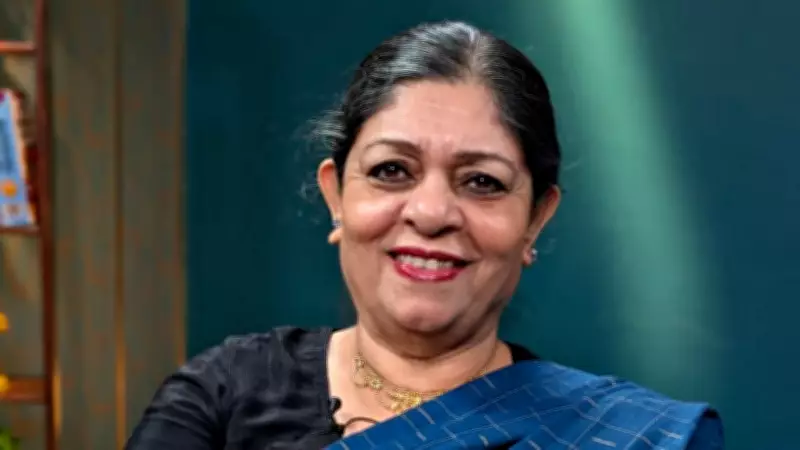
Poonam Muttreja Assumes Leadership at Dastkar: Upholding a Legacy of Craft and Community
In a significant transition for one of India's premier craft organizations, Poonam Muttreja has been appointed as the new Chairperson of Dastkar. This move comes as Laila Tyabji, a pivotal figure in the organization, steps away from the role. Muttreja, one of the founder members of Dastkar, brings with her a rich tapestry of experience in social activism, women's rights, and grassroots development, promising to infuse fresh energy into the institution's mission.
Early Inspirations: A Journey Rooted in Empathy
Muttreja's connection with crafts began in her youth. At just 18 years old, as a student and NSS volunteer, she visited Zamrudpur, located opposite Delhi's Lady Shri Ram College. There, she encountered leather artisans crafting bags for a mere Rs 5 each. This stark reality—where skilled hands went unrecognized and underpaid—deeply troubled her. Driven by a desire to understand their plight, she immersed herself in their world, learning about the challenges faced by Dalit communities and the pervasive issue of untouchability.
"This was in the early 70s," Muttreja recalls. "I began working in one such leather factory to learn how to cut patterns and understand all about leather. I even visited the Central Leather Research Institute in Chennai to grasp the intricacies of the material and industry."

Building Bridges: From Grassroots to Global Impact
Her commitment led her to return frequently, purchasing leather and introducing new patterns and designs to the artisans. To source fabric affordably, she connected with Fabindia's founder John Bissell, who introduced her to social activist Aruna Roy. This association provided Muttreja with profound insights into rural needs and grassroots activism. Concurrently, she engaged with initiatives like the Jawaja Project, a collaboration between IIMA's Ravi Mathai and NID's Ashoke Chatterjee, which emphasized sustainable community development.
Armed with indigenous knowledge and a focus on cooperatives, Muttreja collaborated with leather artisans and secured support from BB Bhasin of the Gujarat State Handicrafts Corporation. With the backing of Gandhian economist LC Jain, they organized a craft bazaar at Triveni Kala Sangam in 1977. This event laid the foundation for Dastkar—a name suggested by Jain, meaning "craftsperson"—which has since evolved into a platform bridging tradition, innovation, culture, and livelihood.
Decades of Dedication: Strengthening Artisans and Women
Reflecting on Dastkar's growth, Muttreja notes, "The first exhibition was a three-day event. We were sold out, and the overwhelming response gave us hope for what has now become more than a four-decade organization. All credit goes to Laila, who brilliantly built Dastkar into a strong institution." Today, Dastkar hosts seasonal crafts exhibitions at Nature Bazaar in Chhatarpur, New Delhi, continuing its mission to provide artisans with dignity and fair market access.
Beyond Dastkar, Muttreja has served as Executive Director of the Population Foundation of India for over a decade, advocating for women's rights and empowerment globally. She emphasizes, "Women's fertility and reproductive autonomy are linked to education, training, and workforce participation. In crafts, over 50% of artisans are women, often in remote villages. Empowering these 75 million artisans is crucial for India's demographic and gender dividend."
Future Vision: Embracing Evolution and Technology
Muttreja acknowledges the challenges faced by Indian crafts, including competition from cheap imports and stagnant emporiums. However, she remains optimistic about Dastkar's evolution. "It's a solid institution, and we must seize new opportunities, especially in technology," she asserts. "Nari Shakti is a key government slogan, and we aim to amplify it for all artisans and weavers. Dastkar's goal remains to empower them with knowledge and data."

As she steps into her new role, Muttreja's journey—from a concerned student to a seasoned leader—exemplifies a lifelong commitment to social justice and craft preservation. Her leadership promises to uphold Dastkar's legacy while navigating modern challenges, ensuring that artisans continue to thrive in an ever-changing world.