India is poised to welcome the season of sunshine and gratitude as the major harvest festivals—Pongal, Lohri, and Makar Sankranti—are set to be celebrated in mid-January. These festivals, deeply rooted in agrarian traditions, mark the end of winter and the beginning of longer, sun-filled days, with celebrations varying beautifully across the country.
Key Dates and Muhurat for the Festivities
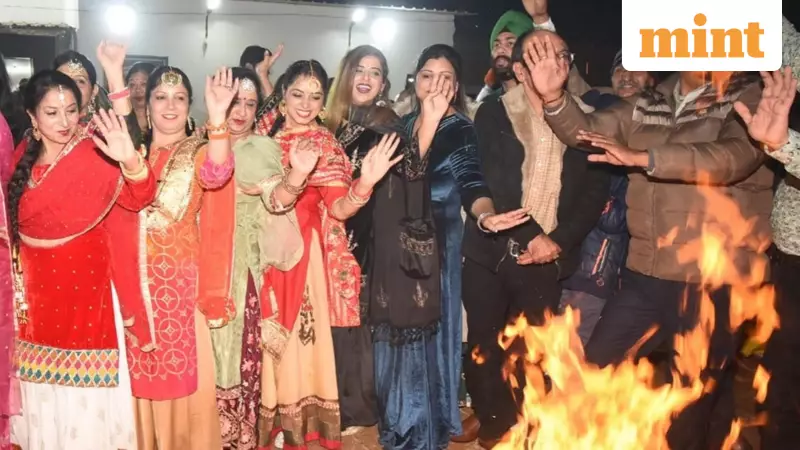
The festivities commence with Lohri on Tuesday, January 13, particularly in Punjab, celebrating the harvest of rabi crops. The very next day, Wednesday, January 14, is the pivotal date for Thai Pongal as per the Tamil Solar Calendar and for Makar Sankranti observances. According to Drik Panchang, the auspicious time or shubh muhurat for Thai Pongal and Makar Sankranti will be at 3:13 PM on Wednesday.
Pongal is a four-day extravaganza in Tamil Nadu. It starts with Bogi Pandigai, a day for cleaning homes and lighting bonfires. The second and most important day is Thai Pongal, dedicated to the Sun God. This day also coincides with Makar Sankranti, a key moment for a holy dip in the Ganges. The third day is Mattu Pongal, honouring cattle, and the festival concludes with Kaanum Pongal, a day for family reunions.

A Pan-Indian Tapestry of Celebrations
While the essence of thanking nature for a bountiful harvest remains universal, the names and customs differ from state to state. In Gujarat, the festival soars high as Uttarayan, famous for vibrant kite-flying competitions. Assam celebrates Magh Bihu or Bhogali Bihu with community feasts and bonfires known as Meji.
In Uttar Pradesh and Bihar, the day is marked by preparing Khichdi as an offering. West Bengal revels in Poush Sankranti, creating special Pithe sweets and hosting the massive Ganga Sagar Mela. The festival is known as Sukarat in Madhya Pradesh and Chhattisgarh, celebrated with folk songs, while in Kashmir, Shishur Sankrant signals the end of harsh winter.
The Cultural and Astronomical Significance
These festivals are not just cultural events but are aligned with a significant astronomical transition. Makar Sankranti is observed when the Sun moves from the Sagittarius (Dhanu Rashi) to the Capricorn (Makar Rashi) constellation. This shift signifies the end of the winter solstice and the beginning of longer days.
Mythology also enriches these celebrations. A popular legend in South India states that Lord Krishna lifted the Govardhan mountain on the day following Makar Sankranti. From the bonfires of Lohri, where people dance Bhangra and Gidda while eating gajak and sesame sweets, to the boiling over of the Pongal pot symbolizing prosperity, each ritual is a vibrant thread in India's rich cultural fabric.
As the nation prepares for these joyous days, the spirit of renewal, gratitude, and community binds everyone, making Pongal, Lohri, and Makar Sankranti a truly unifying national celebration.