Pongal Festival: A Celebration of Sun God and Harvest Across India
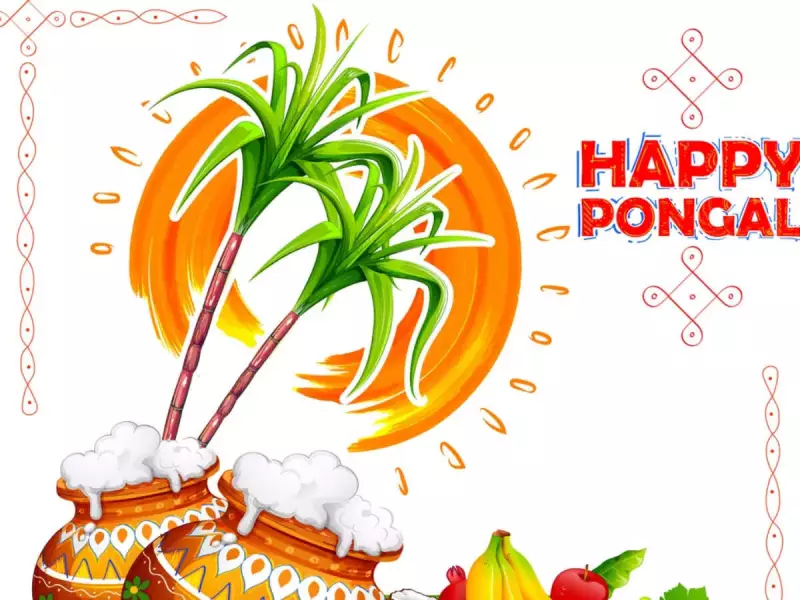
People across India dedicate this vibrant festival to Lord Surya, the Sun God. They celebrate it under various names in different states, but the core significance remains the same. Devotees prepare a special dish using freshly harvested rice, milk, and jaggery in a new clay pot. During the cooking process, they allow the milk to boil over the pot. This overflowing milk symbolizes abundance and prosperity for the coming year.
The Sacred Pongal Dish and Offerings
After preparation, this concoction, known as Pongal, receives toppings of brown sugar, ghee, cashew nuts, and raisins. Devotees first offer the Pongal to the Sun God. Then they serve it on banana leaves to everyone at home. This ritual forms the heart of the celebration, connecting families with divine blessings.
Regional Names and Four-Day Festivities
The festival carries different names across India's diverse regions. In Uttar Pradesh, people call it 'Bhogali Bihu' or 'Khichri'. Punjab and other northern areas celebrate it as 'Lohri'. Andhra Pradesh, West Bengal, Karnataka, and Telangana know it as 'Makar Sankranti'.

Pongal unfolds as a multi-day festival with distinct rituals for each day. It begins with Bhogi festival on the first day. The second day marks Thai Pongal. Mattu Pongal follows on the third day. The celebrations conclude with Kannum Pongal on the fourth day.
Legends Behind the Festival Days
Several legends enrich the Pongal festival. The most popular one explains Bhogi festival. According to this tale, Lord Kanha used his little finger to lift Goverdhan Mountain. He performed this feat to save people and cattle from the wrath of Indra, the rain god.
Another legend centers on the third day, Mattu Pongal. Lord Mahadev sent his vahana, Nandi the bull, to deliver a message to humans. Nandi should have told people to take oil baths daily and eat once a month. Instead, he mistakenly instructed them to eat daily and take oil baths once a month. This error angered Lord Shiva, who ordered Nandi to remain on earth. The bull now helps humans harvest crops so they can eat daily.
Detailed Four-Day Celebration Guide
Day 1: Bhogi Festival
The first day honors Lord Indra, the rain God. Families discard useless household items by tossing them into a traditional bonfire made of wood and cow-dung cakes.
Day 2: Thai Pongal
This day celebrates the Sun God. People take early morning baths and draw kolam designs using lime powder at their home entrances. They perform a special ritual by boiling rice and milk together in an earthen pot outdoors as an offering to the Sun. Additional offerings include sugarcane sticks, bananas, and coconuts.
Day 3: Mattu Pongal
On this day, people adorn cows with garlands and bells, worshipping them for their agricultural help. The legend of Nandi's mistake explains this tradition, as cows now assist farmers in producing food.
Day 4: Kaanum Pongal
The final day involves placing leftover Pongal dish with betel nuts, betel leaves, and sugarcane on a turmeric leaf outdoors. Women perform this ritual to seek prosperity for their brothers, completing the festive cycle.
Festival Wishes and Greetings
People exchange warm messages during Pongal. They share wishes for happiness, peace, and good luck. Common greetings include hopes for overflowing prosperity, family harmony, and successful harvests. Many emphasize the sweetness of milk and sugarcane, symbolizing life's blessings.
Traditional kolam decorations brighten homes during celebrations. Families gather to greet, meet, and eat together, strengthening community bonds. The festival marks the sun's northward journey, bringing hope for brighter days ahead.