Pongal 2026: A Deep Dive into Tamil Nadu's Premier Harvest Festival
Pongal stands as one of the most significant festivals in South India, primarily observed in Tamil Nadu. This vibrant celebration also coincides with Makar Sankranti in northern parts of India. According to the Hindu calendar, Pongal marks a crucial astronomical shift. It occurs during winter when the sun starts its journey back to the northern hemisphere after reaching the southernmost point.
Pongal 2026: Key Dates and Timings
The festivities for Pongal 2026 will commence on January 13 with Bhogi and conclude on January 16. The pivotal Thai Pongal Sankranti moment is set for 03:13 PM on Wednesday, January 14, 2026. This day aligns with Makar Sankranti, creating a pan-Indian celebration of the sun's transition.
The Importance of the Thai Month
For the people of Tamil Nadu, the Thai month holds profound significance. They firmly believe this period brings positive transformations and helps overcome life's challenges. The month witnesses the harvest of essential crops like rice, sugarcane, and turmeric. Communities consider Thai highly auspicious for engagements, marriages, and various religious activities.

Mythological Roots and Agricultural Significance
Hindu scriptures narrate an intriguing tale about Pongal's origins. Lord Shiva once sent his bull, Nandi, to earth with a message for mortals. He instructed people to take daily baths, enjoy oil massages, and eat just once a month. However, Nandi mistakenly conveyed that everyone should eat daily and bathe monthly. This error angered Lord Shiva, who then cursed Nandi to remain on earth forever. The bull's eternal duty became plowing fields and helping humans produce more food. This legend firmly connects Pongal with cattle worship and celebrating new agricultural yields.
The Four-Day Pongal Celebration Schedule
Day 1: Bhogi Festival
The first day honors Lord Indra, the God of rain believed to bring prosperity. People call this day Bhogi Mantalu. Families discard useless household items by throwing them into bonfires made of wood and cow dung cakes. Women dance around these fires, singing devotional songs. The bonfires also provide warmth during the winter solstice.
Day 2: Thai Pongal
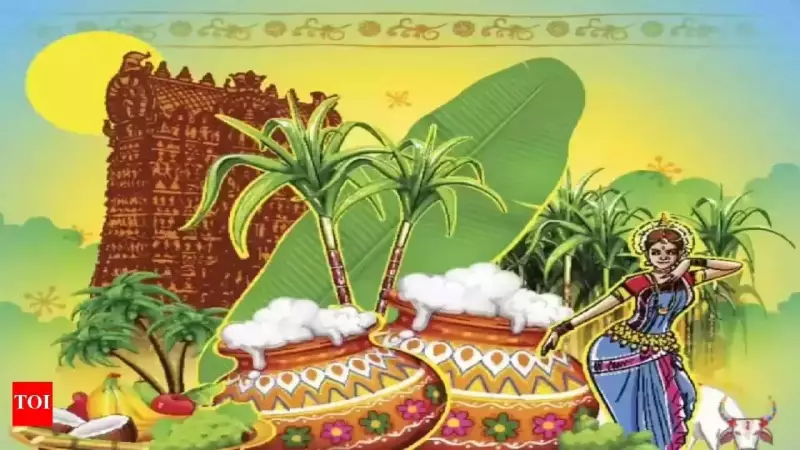
On the second day, communities perform special rituals and worship ceremonies. Families boil rice in milk using earthenware pots placed outside their homes. They offer this preparation to Lord Sun. Everyone wears traditional attire and jewelry for the occasion. The cooking pot is typically tied to a turmeric plant, with sugarcane sticks decorating the background. Bananas and coconut enhance many festive recipes. A popular ritual involves women drawing intricate patterns with white lime powder in front of their houses after taking their morning baths.
Day 3: Mattu Pongal
The third day dedicates itself to honoring cows. People adorn their cattle with tinkling bells, colorful swags of flowers, and multicolored decorations. After feeding the cows special Pongal preparations, owners take them around their communities. They perform aarti rituals to protect the animals from evil influences.
Day 4: Kannum Pongal
The final day, known as Kannum Pongal, involves specific family rituals. Women place a thoroughly cleaned turmeric leaf on the ground. Before bathing, they arrange leftovers from sweet Pongal, Venn Pongal, regular rice, colored rice, plantains, betel leaves, betel nuts, and sugarcane pieces on this leaf. All women of the household gather in their courtyard. They put rice in the leaf's center and pray for their brothers' families' prosperity. Using rice, limestone, and turmeric water, they perform aarti for their brothers. Finally, they sprinkle this water on the kolam designs in front of their homes.