Poila Boishakh 2026: A Deep Dive into the Bengali New Year Celebrations
The festive spirit is palpable as Poila Boishakh, also widely known as Noboborsho, approaches. This is not merely a date on the calendar; it is a profound cultural and spiritual occasion where Bengalis across the globe immerse themselves in devotion and joyous celebration, heralding a fresh beginning.
This year, Poila Boishakh will be observed on Wednesday, April 15, 2026. According to the traditional Bengali calendar, this day inaugurates the year 1433. It is a deeply held belief that the year ahead becomes prosperous and fruitful when individuals seek blessings from the divine and the respected elders within their families.
The Historical Roots of Poila Boishakh
Poila Boishakh stands as one of the most significant festivals in Bengali culture, with traditions tracing back to the Mughal era. Historical accounts suggest that Emperor Akbar introduced this custom to demarcate the tax year. The royal astronomer, Fathullah Shirazi, was commissioned to develop a new calendar by synthesizing the lunar Islamic calendar with the solar Hindu calendar. This innovative calendar was designed to streamline the management of harvest taxes.

Furthermore, as documented in age-old texts, Bangladeshi academic and folklorist Shamsuzzaman Khan traced the celebratory culture of this day to Nawab Murshid Quli Khan, a Mughal governor, who transformed it into a festive occasion for land tax collection. Over centuries, this festival has evolved into a cherished celebration symbolizing the commencement of a joyful and prosperous new year.
The Essential Ritual of House Cleaning Before Poila Boishakh
A central emphasis on purity and cleanliness is why thorough house cleaning is considered one of the most vital preparations before the big day. Here is a detailed exploration of why this practice is such an integral component of the festival.
Invoking Divine Blessings Through Cleanliness
Cleaning the home is viewed as an essential ritual to invite Goddess Lakshmi, a quintessential aspect of Poila Boishakh celebrations. Tradition holds that Goddess Lakshmi resides exclusively in clean and pure environments. A dirty or cluttered home is believed to attract negative energies and hinder prosperity. By meticulously cleaning our homes before Poila Boishakh, we are actively preparing a sacred space for Goddess Lakshmi and earnestly seeking her blessings for a life filled with abundance and success.
Clearing and Purifying Home Energy
House cleaning also serves to cleanse the prana, or life force energy, of the home. Over time, a house can accumulate residual energies from emotions such as arguments and stress, which ultimately affect its overall vibrational quality. According to the principles of Vastu Shastra, maintaining a clean and organized space effectively dispels the negative energy that lingers in messy areas. By undertaking a thorough cleaning before Poila Boishakh, we ensure our home is liberated from these stagnant energies. This process involves letting fresh air and natural light permeate the living space, fostering an environment where all inhabitants can feel revitalized, healthy, and genuinely happy.
Making Space for New Beginnings and Ventures
Poila Boishakh is fundamentally a time for new beginnings. For businesses, it marks the tradition of Halkhata, the ceremonial opening of new accounting books, symbolizing the start of a fresh chapter in professional life. When we clean our homes and conscientiously discard useless or old items, we are sending a powerful message to the universe that we are ready and open to receive new opportunities and blessings. We are literally and metaphorically creating space for positive developments to enter our lives.

Harnessing the Purifying Power of the Sun
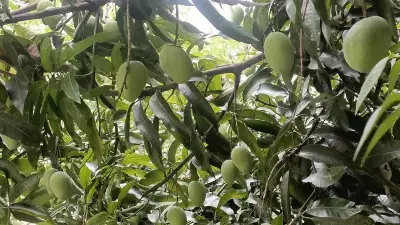
The Sun holds special significance during Poila Boishakh. Its rays are considered to possess unique purifying properties. By cleaning windows and doors, we facilitate the entry of this beneficial sunlight into our homes. Many families enhance this practice by decorating their entrances with traditional alpana art and hanging auspicious mango leaves. This collective effort works to repel negative energy while welcoming only positive, harmonious energy into the household. It establishes an optimistic and healthy tone for the entire year ahead, contributing to the overall well-being and happiness of the family.