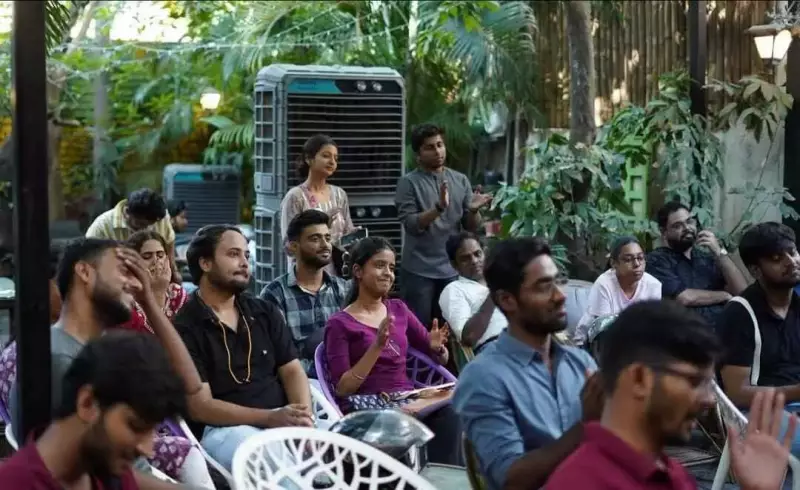
In the bustling lanes of Patna, a quiet revolution is taking place in cafes and clubs where young artists gather for open mic nights. These events, designed as safe spaces to experiment and grow, are thriving. Yet, a critical gap persists: the city has become a prolific nursery for talent but struggles to provide a professional arena where that talent can truly perform and earn a living.
The Elusive Bridge from Practice to Profession
For performers in Patna, the open mic is akin to a cricketer's net practice—a place to hone skills, fail safely, and absorb feedback. However, the transition from these crowded "nets" to the main "stadium" of paid, ticketed performances remains a distant dream for most. Seasoned comedian Ashutosh highlights this core issue, stating that open mics are merely practice; real survival depends on converting them into proper shows. He laments that while Patna excels at creating artists, it fails to retain them once they mature, forcing an exodus to metros like Delhi or Gurgaon where ticketed shows and corporate gigs offer financial viability.
The local audience's reluctance to pay for performances, especially for experimental genres like dark comedy, compounds the problem. With a weak corporate events circuit and minimal remuneration—often just a few minutes on stage for a modest fee—artists find the path to monetization blocked. This economic reality makes migration not a choice but a necessity for career progression.

The Double-Edged Sword of Social Media and Brand Culture
Artistic growth faces another formidable challenge from the digital world. Artist Anand Kashyap criticizes a rising "content-first" culture, where the quest for viral appeal overshadows literary and performative depth. He points out the irony: one can get a high-quality 4K video recording for just Rs 100 to Rs 300 in Patna, but genuine mentoring and constructive feedback are scarce.
Performer Iman echoes this, observing a growing obsession with brand names like Ghar and Kommune over the art itself. She notes that many participants are driven by the desire for social media validation and views, not artistic integrity. This brand-centric mindset is so pervasive that even free events struggle to attract an audience without a recognized label attached, skewing the scene's priorities.
Survival Hinges on Ecosystem Change
From the organizer's desk, the numbers paint a grim picture. Abhijeet Sinha, owner of Tamasha Club, acknowledges that while awareness has grown over seven years, the audience's paying capacity has not. Ticket prices cannot exceed the cost of a cinema ticket, he explains, leaving organizers to grapple with high rents, technical costs, and marketing expenses on razor-thin margins.
Writer Gaurav Sinha, a recent transplant from Delhi, feels the pressure to create social-media-friendly work but remains hopeful. He estimates that around 60% of artists still prioritize authenticity. For a sustainable culture, he stresses the need for non-artists to step up as a paying audience, supporting art for its intrinsic value rather than just its "visibility."
The arrival of structured nationwide platforms offers a glimmer of hope. However, as Ashutosh and Gaurav concur, the long-term survival of Patna's performing arts scene demands a fundamental shift. The ecosystem must learn to value the creative process over the social media post, genuine feedback over follower counts, and substantial shows over mere stage time. Only then can the city's crowded net practice finally lead its artists to the elusive stadium.