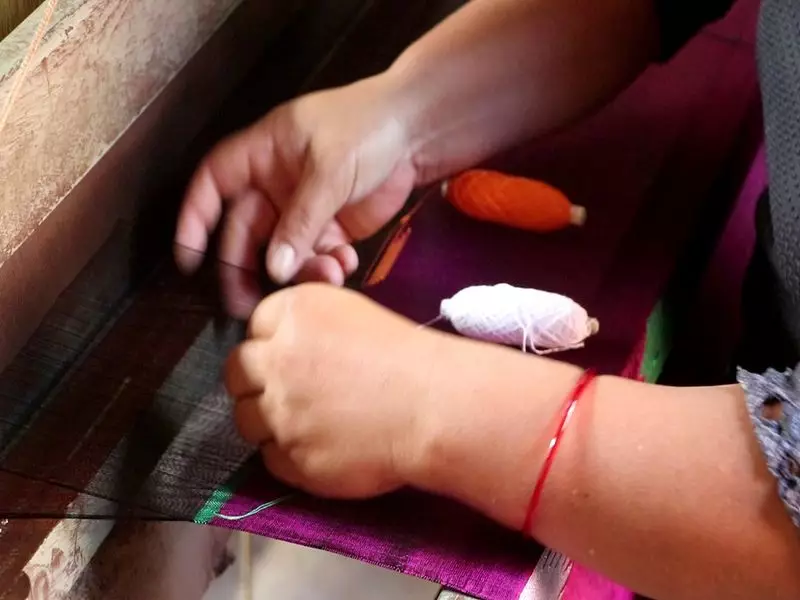
In the heart of Nepal's Palpa district, a centuries-old textile tradition continues to thrive against the odds of modernization. Palpali Dhaka, the iconic hand-spun fabric known for its vibrant geometric patterns, is weaving its way through contemporary challenges while maintaining its cultural significance.
The Living Legacy of Traditional Weaving
The origins of Palpali Dhaka trace back to the mid-19th century during the Rana regime, when Prime Minister Jung Bahadur Rana introduced the craft after returning from Europe. What began as a borrowed technique has evolved into a distinctly Nepali art form that represents national identity and cultural pride.
This heritage fabric is characterized by its intricate geometric designs and bold color combinations, traditionally woven on manual looms. The production process remains largely unchanged for generations, with artisans spending days or even weeks creating a single piece of fabric. The distinctive patterns often tell stories of Nepali culture, nature, and daily life through their symbolic representations.

Modern Challenges and Innovations
Despite its cultural importance, Palpali Dhaka faces significant challenges in the modern era. The rise of cheaper, machine-made alternatives has threatened the livelihood of traditional weavers. Many younger generations are opting for more lucrative professions, creating concerns about the transmission of skills to future artisans.
However, innovative approaches are helping to preserve this cultural treasure. Weavers are now creating contemporary fashion items and home decor products alongside traditional garments. The fabric has found new life in modern clothing designs, accessories, and interior decoration, appealing to both domestic and international markets.
Government initiatives and cultural organizations have implemented programs to support Dhaka weavers through training, financial assistance, and marketing support. These efforts aim to make the craft economically sustainable while maintaining its traditional integrity.
Cultural Significance and Global Recognition
Palpali Dhaka holds profound cultural meaning in Nepal. The fabric is deeply associated with national identity and pride, often worn during important ceremonies and festivals. Its patterns and colors vary by region and community, each telling a unique story about Nepal's diverse cultural landscape.
Internationally, Palpali Dhaka has gained recognition as a unique textile art form. Fashion designers and cultural enthusiasts worldwide appreciate the fabric's distinctive characteristics and the skill required to produce it. This global interest has opened new markets and opportunities for Nepali weavers, helping to ensure the craft's continued relevance.
The survival of Palpali Dhaka represents more than just the preservation of a textile technique. It symbolizes the resilience of cultural traditions in the face of globalization and the importance of maintaining artistic heritage for future generations. As the fabric continues to adapt to contemporary demands while honoring its roots, it serves as a living testament to Nepal's rich cultural tapestry.