Osho's Enduring Legacy: Mystery and Controversy 36 Years After His Death
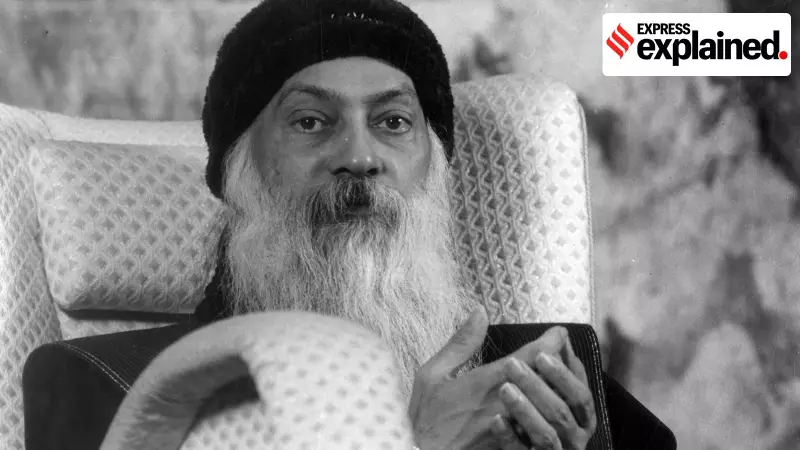
Thirty-six years have passed since Osho left this world, yet his legacy continues to spark fascination and debate. The spiritual master, born Chandra Mohan Jain in Kuchwada, Madhya Pradesh, on December 11, 1931, embarked on a radical path after claiming enlightenment at age twenty-one. Today, his teachings remain alive through dynamic meditations, viral social media content, and the ongoing activities at his Pune meditation resort.
The Transformation of Osho's Commune
In 2002, The New York Times described a process called "de-Oshoization" at the Osho International Meditation Resort in Pune. This term emerged when hundreds of Osho's photographs disappeared from the entrance gates and common areas. In their place appeared framed signatures, displayed like minimalist art pieces. For many followers, especially those who broke away around 1999-2000, this change symbolized a stark departure from Osho's original vision.
Another significant shift occurred when the commune stopped celebrating Osho's death anniversary. Previously, followers marked January 19 with joy and festivity, following Osho's teaching that death should be celebrated. The discontinuation added to growing discomfort among factions outside the Pune commune.

A Life of Radical Teachings and Controversy
Osho, who held a master's degree in philosophy, traveled across India as Acharya Rajneesh and later as Bhagwan Shree Rajneesh. His teachings blended Sufism, Taoism, Zen, and other traditions, emphasizing meditation, individual freedom, and sexual liberalism. He established his first ashram in Pune on March 21, 1974, calling the city "the center of the universe spiritually."
His orange-robed sannyasins, mostly foreigners, became a common sight in Pune's conservative Cantonment area. In 1981, Osho moved to the United States, where he founded Rajneeshpuram in Oregon. As shown in the Netflix documentary Wild Wild Country, those years featured power struggles, clashes with locals, a fleet of ninety-three Rolls-Royces, and criminal charges that led to his deportation in 1985.
Osho returned to India and re-established his ashram in Pune's Koregaon Park on January 4, 1987. He lived there until his death on January 19, 1990, from an illness still shrouded in mystery.
Post-Death Controversies and Schisms
Controversies did not end with Osho's passing. The first major schism occurred around 1999-2000 when core followers broke away to establish their own centers in New Delhi, Dharamshala, and elsewhere. This rebel group became watchdogs, opposing what they saw as dilution of Osho's legacy.
Several disputes followed. The Zurich-based Osho International Foundation fought a trademark battle over "OSHO" with Delhi-based Osho Friends International, losing exclusive rights in 2009. In 2013, a purported will surfaced twenty-three years after Osho's death, naming a Swiss trust as beneficiary. Followers called it fake, and forensics in India supported their claim.
Other issues included banning followers wearing Osho malas from entering the commune and allegations of digital censorship. The Osho International Foundation reportedly took down Facebook pages of external Osho groups, citing copyright infringement.
The latest controversy emerged in 2023 when the commune attempted to sell two plots of land to businessman Rajiv Bajaj for 107 crore rupees, citing COVID-induced financial constraints. The Charity Commissioner stayed the sale in December 2023 after a petition by disciple Yogesh Thakkar.
Changes in Control and Communication
After Osho's death, ownership transferred to a twenty-one-member Inner Circle, including five Indians and his physician, Swami Amrito. Critics allege control eventually shifted to a smaller, undeclared group.
Abhay Vaidya, author of the 2017 book Who Killed Osho, notes that the Osho International Foundation headquarters in Zurich controls all intellectual properties through copyrights and trademarks. Swami Chaitanya Keerti, who left in 2000, highlights how Osho videos stopped airing on satellite channels after 1998 due to copyright issues registered in Zurich and the USA.

Vaidya and Keerti point to missing photographs, no mention of Osho's samadhi on the website, discontinued anniversary celebrations, declining daily visitors, and property sale attempts as evidence of "de-Oshoization."
The Resort's Defense and Continuing Appeal
Ma Sadhana, spokesperson for the Osho International Meditation Resort, defends the changes as aligning with Osho's vision. She states, "Legacy belongs to the past and is carried into the future. Osho's effort is to demolish the past so we can live today. We are doing it."
She describes the resort as a breeding ground for new human beings, offering hundreds of meditations, therapies, and a celebrative lifestyle free from caste, creed, nationality, or religion divisions. Thousands visit from around the world, including younger people seeking short meditation and relaxation.
What Remains Constant
Interest in Osho continues undiminished. His dynamic meditations, audio and video discourses, and books go viral on social media. Activities thrive at the resort's Multiversity, and Osho centers worldwide hold group meditations, workshops, and events around his birth, death, and enlightenment day on March 21.
At the Pune commune, mega celebrations now occur twice yearly during monsoon and winter. Diverse courses in healing arts, esoteric sciences, creative arts, Tantra, Zen, Sufism, and meditative therapies remain popular. The samadhi continues to attract followers, with visitor numbers steadily rising since the COVID pandemic.
Yet for many, the commune feels closed and inaccessible, removed from the outside world. Controversies regularly reinforce this perception. While Osho's mystique endures, the mystery surrounding his legacy has only deepened over thirty-six years.