The Odisha Bridge & Construction Corporation Ltd (OBCC) has announced an ambitious initiative to develop three state-of-the-art interpretation centres across the state. These facilities are designed to merge the rich cultural tapestry of Odisha with the latest immersive technologies, aiming to offer a unique experience to visitors and establish the state as a premier global destination for cultural tourism.
A Trio of Landmark Cultural Hubs
The project will see the creation of three distinct centres, each with a unique thematic focus. OBCC will engage internationally reputed exhibit design consultants for this venture, having recently floated an expression of interest to select the best partners.
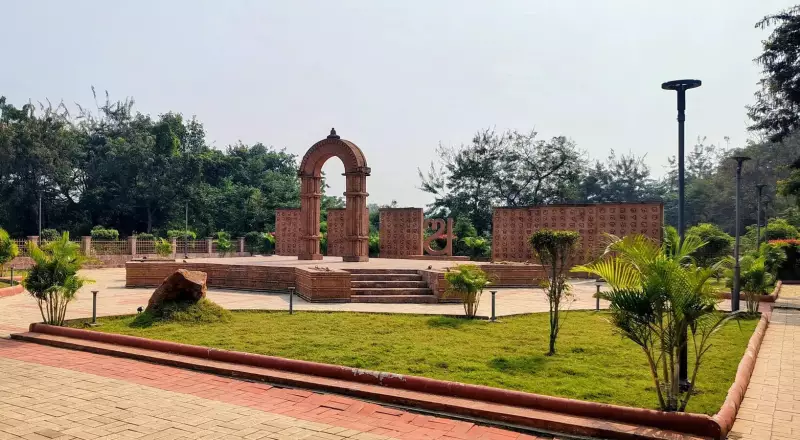
The first centre, Asmita Bhavan in Bhubaneswar, will be a hub celebrating Odia identity and empowerment. Located near the existing Akshara Bhoomi and Kalamandal, it will highlight the contributions of historic social reformers, freedom fighters, and modern achievers from fields like politics, science, arts, and sports. Its exhibits will feature advanced technologies like holograms, AI-enabled voice archives, and kinetic installations, encouraging visitors to reflect on the state's socio-cultural evolution.

Immersive Technology Meets Ancient Tradition
The second major project is the Daru Brahma Interpretation Centre and Pramod Udyan in Puri. Dedicated to the profound Jagannath culture, this centre will delve into sacred rituals such as Nabakalebara, the Daru Brahma philosophy, and centuries-old temple traditions. Visitors will be able to experience augmented reality (AR) simulations of rituals, projection mapping on detailed temple models, and immersive soundscapes of devotional bhajans. The centre will also house interactive archives valuable for students and researchers.
Similarly, the Maa Tarini Interpretation Centre in Keonjhar will curate exhibits focusing on indigenous traditions, folklore, crafts, and forest-based practices, with the deity Maa Tarini as the spiritual anchor. Here, the public can explore 360-degree tribal landscapes, embark on virtual reality (VR) journeys through forests, and interact with tactile exhibits of tribal crafts, supported by oral history labs.
Redefining Heritage Engagement for the Future
According to official sources, all centres will integrate a suite of modern technologies including AR/VR, projection mapping, holography, and AI-driven personalisation to create multi-sensory experiences. The designs will be modular, allowing for future updates to ensure long-term scalability and sustainability.
OBCC managing director Omkar Hota stated that these interpretation centres are set to redefine public engagement with Odisha's heritage. "By combining authentic cultural narratives with immersive technology, we aim to create spaces that educate, inspire and connect visitors to the soul of the state," he explained.
The project is a key component of Odisha's broader cultural tourism strategy, aimed at enhancing existing circuits like the Jagannath heritage trail and tribal tourism routes. Upon completion, these centres are expected to become iconic destinations for scholars, tourists, and cultural enthusiasts alike.
Echoing the project's significance, Nibedita Jena, former professor of history at Utkal University, remarked, "Protection of culture has become a necessity now for future generations. By blending newer technology to showcase the art and tradition of the state, the government is rightly taking steps to engage with young people."