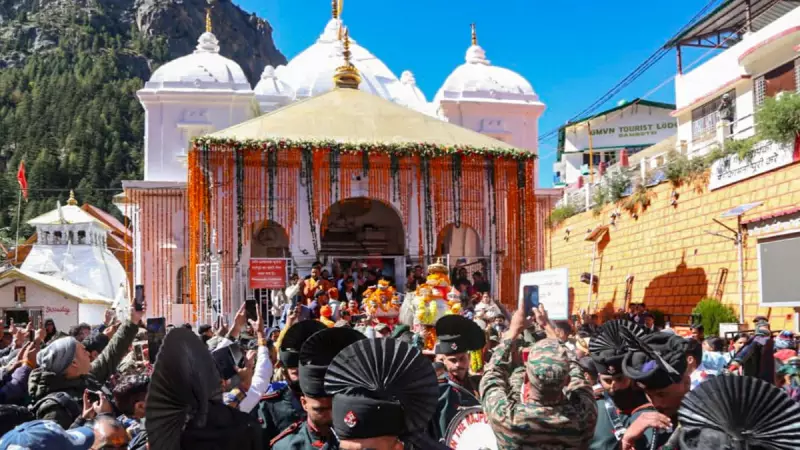
Non-Hindus Barred from Gangotri Dham, Badrinath and Kedarnath May Follow Suit
The Char Dham Devasthanam Management Board has implemented a significant policy change, officially barring non-Hindus from entering the sacred Gangotri Dham temple in Uttarakhand. This decision marks a pivotal moment in the administration of one of India's most revered pilgrimage sites and has sparked discussions about similar measures at other major Himalayan shrines.
Gangotri Dham Implements Entry Restrictions
Gangotri Dham, the source of the holy Ganges River and a critical stop on the Char Dham Yatra, now restricts entry exclusively to individuals who identify as Hindu. The Char Dham Devasthanam Board, which oversees the management of the temple, confirmed this policy shift, emphasizing the preservation of religious sanctity and traditions at the site. This move aligns with longstanding practices at certain other Hindu temples across India where entry is limited based on religious affiliation.
Badrinath-Kedarnath Temple Committee Considers Similar Move
In a related development, the Badrinath-Kedarnath Temple Committee is actively contemplating implementing analogous restrictions for the Badrinath and Kedarnath temples. These two shrines, along with Gangotri and Yamunotri, constitute the sacred Char Dham circuit, attracting millions of devotees annually. The committee's deliberation suggests a potential uniform policy across these key pilgrimage destinations, which could significantly impact access for non-Hindu visitors.

The consideration by the Badrinath-Kedarnath Temple Committee underscores a broader trend towards reinforcing religious exclusivity at some of Hinduism's holiest sites. This discussion is part of ongoing efforts to maintain the spiritual integrity and cultural heritage associated with these ancient temples, which hold immense religious significance for followers of Hinduism worldwide.
Implications for Pilgrimage and Tourism
The restriction at Gangotri Dham and the potential expansion to Badrinath and Kedarnath could have notable implications for both religious pilgrimage and tourism in the Uttarakhand region. While the primary aim is to uphold religious customs, it may also influence travel patterns and visitor demographics to these iconic locations. The Char Dham Yatra, a major religious journey, might see changes in participation, though the core devotees are expected to continue their pilgrimages unabated.
This development highlights the delicate balance between preserving religious traditions and accommodating diverse visitor interests in India's rich cultural landscape. As authorities navigate these considerations, the decisions made could set precedents for other religious sites across the country, reflecting ongoing dialogues about faith, access, and cultural preservation in contemporary society.