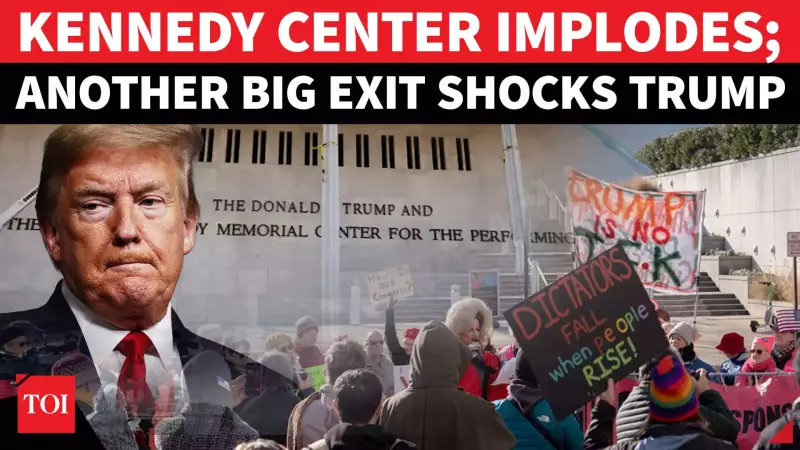
In a seismic shift for American arts, the Washington National Opera has severed its historic ties with the Kennedy Center. The opera company announced its decision to depart, concluding a partnership that spanned over half a century. This dramatic exit comes in the wake of sweeping institutional changes initiated after former President Donald Trump's takeover of the prestigious cultural venue.
The Breaking Point: Donor Flight and a Clashing Vision
Opera leadership pointed to a confluence of critical factors forcing their hand. They cited collapsing donor confidence and declining box office revenue as immediate financial pressures. More fundamentally, they stated the Kennedy Center's new business model, implemented under the Trump administration's oversight, was incompatible with the large-scale, complex production needs of opera.
The changes at the Kennedy Center have been profound and controversial. They include a complete overhaul of the institution's board and a contentious rebranding effort. For the opera's stewards, these moves created an environment where artistic independence and financial viability seemed increasingly untenable.

Official Stances: A Necessary Split?
While the opera framed its departure as a necessity for survival, Kennedy Center officials presented a different perspective. They described the split as a financially necessary decision, suggesting the existing arrangement was no longer sustainable for the center itself. This official stance has done little to quell the growing outrage within the arts community.
Ripples Through the Cultural World
The opera's exit has intensified a fierce backlash from artists, performers, and cultural groups nationwide. The move has sparked urgent, broader questions that strike at the heart of American cultural policy:
- The extent of political influence on federally-funded arts institutions.
- The fundamental right to artistic independence.
- The future identity and mission of one of the nation's most prominent cultural landmarks.
This event, dated January 10, 2026, marks more than just a venue change for an opera company. It represents a pivotal moment in the ongoing debate about who controls culture, how it is funded, and what values it represents in a politically charged era. The empty stage at the Kennedy Center will now serve as a powerful symbol of this deepening divide.