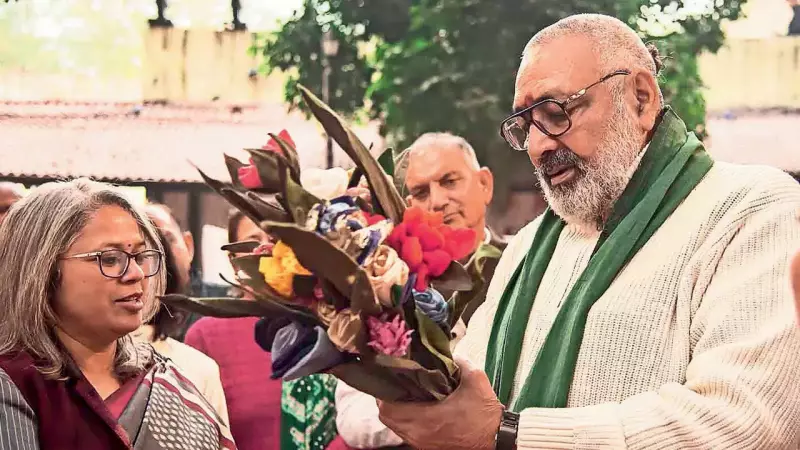
Delhi recently played host to a vibrant celebration of India's rich artisanal heritage. To mark National Handicrafts Week, the DC Handicrafts wing under the Ministry of Textiles organized a special 10-day exhibition titled 'Crafted for the Future' at the iconic National Crafts Museum. The event served as a dynamic platform, highlighting a sustainable and artisan-centric vision for the development of India's diverse handicraft traditions.
A Fusion of Craft, Sustainability, and Culinary Delights
The exhibition was far more than a static display. It featured carefully curated exhibitions and interactive workshops designed to engage the public. A core theme was sustainable innovation, showcasing how traditional crafts are adapting for a modern, eco-conscious world. One remarkable display featured sustainable paper and board games, all ethically crafted from elephant dung through a completely chemical-free and zero-waste process.
Another standout piece told a powerful story of collaboration. A cap made from yak hair represented the joint effort between women artisans of Monyul and the local yak herders. Supported by the All Folk Social Foundation, this initiative focuses on converting indigenous fibers into practical, everyday objects. This work is crucial for preserving the unique craft traditions of Arunachal Pradesh.

Beyond crafts, the event also treated visitors to a culinary adventure across India. From the unique Kashmiri battu phol to a wide array of Rajasthani and Lakhnawi delicacies presented by Yashita’s Kitchen, the food stalls offered a delicious parallel journey through the nation's cultural diversity. Even fashion found a sustainable twist, with creative displays like flowers meticulously crafted from recycled denim.
Empowering Artisans and Preserving Heritage
The overarching goal of the 'Crafted for the Future' exhibition was to shine a spotlight on the people and stories behind the products. By emphasizing artisan-centric development, the event underscored the importance of supporting craft communities ethically and ensuring the longevity of their skills. Each item on display carried a narrative of cultural preservation, environmental responsibility, and community empowerment.
The 10-day program successfully connected urban audiences with rural artisans, fostering a deeper appreciation for the skill and sustainability inherent in India's handmade sector. It presented a compelling blueprint for how traditional handicrafts can evolve, finding relevance in contemporary markets while staying true to their roots and benefiting the artisans directly.