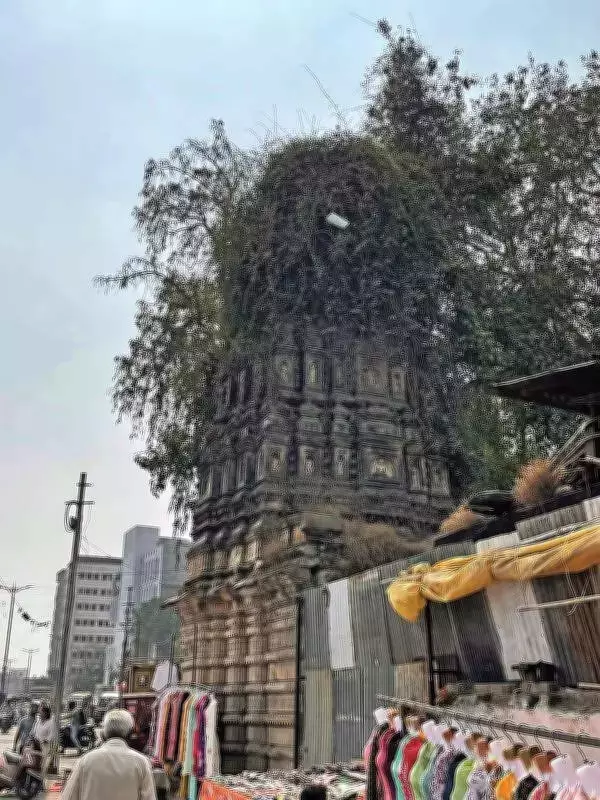
Nagpur's Ancient Shiva Temples: Spiritual Continuity Amidst Heritage Neglect
On Mahashivratri, as Nagpur's ancient Shiva temples brim with devotees offering bel leaves and performing abhisheks, a quieter narrative unfolds within the stone and mortar of these historic shrines. These structures, representing a glorious past and enduring spiritual continuity, simultaneously face the creeping challenges of neglect and urban pressure.
The Kelibagh Temple Complex: A 230-Year-Old Heritage Ensemble
At the heart of Nagpur's old city stands the Kelibagh temple complex, a prominent heritage ensemble dating back over 230 years. Constructed under the patronage of the Bhonsle rulers, this complex—comprising multiple shrines dedicated to Mahadev, Ganesh, and Laksmi Narayan—has suffered from decades of neglect, encroachment, and even commercial use of its precincts.
Sanjay Joshi, a resident of Mahal and regular visitor to the temple, expressed concern: "We saw the temple deteriorating over the years. It is one of the oldest heritage temples in the city, and yet it remains neglected. In fact, shopkeepers also use the precinct to store material." He noted that weeds and debris now surround the monuments, highlighting the ongoing challenges.

However, on Mahashivratri, locals actively clean the premises, ensuring the garbha griha (sanctum sanctorum) is adorned for night-long rituals, demonstrating community resilience in preserving spiritual traditions.
Rukhmini Temple Complex: Architectural Craftsmanship and Decay
Another Bhonsle-era structure, the Rukhmini temple complex, traces its lineage to the late 18th century. Built by Raghuji Raje Bhosale III for his courtesan Rukhmini Bai, this quiet complex features the shrine of Lord Shiva—Raghurajeshwar—prominently on the left, accompanied by temples dedicated to Lord Hanuman and Lord Ganesh.
Architect and heritage walk guide Mandira Neware explained: "Constructed in the late 18th century using Rajasthani stone, the Shiva temple reflects the refined craftsmanship of the Bhonsle era. A distinctive feature is the sculpted Nandi motifs on three sides, designed to channel abhishek water outward through carved outlets, blending ritual function with architectural detail."
Despite this architectural significance, almost all pillars show visible cracks, reflecting years of neglect, with major parts of the temple premises covered in shrubs and weeds. Yet, ahead of Mahashivratri, residents undertake cleaning drives and illuminate the complex with decorative lighting to preserve the festive spirit.
Tandapeth Mahadev Temple: A Layered Chronicle of Temple Art
In the suburban precincts of Itwari lies the Tandapeth Mahadev temple, a unique testament to antiquity. Inside its Jagruteshwar Devasthan complex rests an over 800-year-old Shiv-Parvati idol, likely originating from the 12th-13th century CE and possibly linked to the Hoysala artistic tradition.
A complementary carving from about 600 years later depicts the same deities on an outer shrine wall, making the site a rare layered chronicle of temple art across eras. While the surrounding structure evolved over time and required periodic upkeep, devotees and local committees ensured the sanctum and courtyard were cleaned and decorated for Mahashivratri celebrations.
Kalyaneshwar Shiv Temple: Better Care Amidst Challenges
West of the core city centre at Telangkhedi stands the Kalyaneshwar Shiv temple, constructed in 1785 by Raje Raghuji Bhonsle II. This temple has withstood the test of time with comparatively better care, listed as a major heritage structure in Nagpur.
It boasts nearly 97 stone pillars, a carved garbha griha, and mandap layout typical of its period. Though the temple's shikhar and structure required renovations over the years, devotees—numbering in the thousands on Mahashivratri—still throng the shrine, with the entire complex illuminated and meticulously maintained for the festival.
Lesser-Documented Shrines and the Lack of Formal Protection
Neware added that beyond these prominent sites, Nagpur's old city narrow lanes shelter several lesser-documented Shiva shrines. These include:

- Pataleshwar Mahadev in Mahal
- Benigiri Wada Mahadev Temple, known for its 15 shivlingas
- Kalikar Mahadev, built in 1764, which houses one of the largest Nandis in the city
These neighbourhood temples, many regarded by residents as centuries old, remain integral to the spiritual fabric of the area. While freshly decorated with lights and rangolis for Mahashivratri and witnessing vibrant worship, most lack formal heritage recognition or structured conservation support, leaving them increasingly vulnerable to urban pressures.
Archaeological Survey of India's Role and Limitations
A senior ASI official clarified the current protection status: "In Nagpur city, none of these old Shiva temples are notified as Monuments of National Importance under the Ancient Monuments and Archaeological Sites and Remains Act. Across Vidarbha, however, the Archaeological Survey of India protects 94 monuments, including significant temples such as the Markandeshwar Mahadev Temple in Gadchiroli and the Anchaleshwar Temple in Chandrapur. These sites are maintained directly by ASI with regular conservation measures."
He further explained the process for inclusion: "If anyone approaches us to include an ancient temple under ASI protection, we follow the prescribed procedure and assess its historical and architectural significance. If it meets the criteria and is officially notified, we take up regular conservation and maintenance."
This highlights the gap between community-led spiritual preservation and formal heritage conservation, underscoring the need for greater awareness and action to safeguard Nagpur's rich temple heritage for future generations.