The Sonic Soul of Miraj: Where Pumpkins Sing
As one steps into Miraj, a historic city nestled in Southern Maharashtra, the atmosphere is distinctly charged. The air resonates with the soulful strains of the sitar, mingled with the rhythmic sounds of scraping and hammering, creating a vibrant tapestry of creativity and culture. This city, once part of the princely state of Patwardhan, has long been celebrated as a hub of music, home to generations of musicians and artisans.
Artistry in Sound: The Craft of Instrument Making
Miraj is renowned for producing exquisite sitars, sarangis, and tanpuras, crafted by skilled artists who have honed this tradition over centuries. These instruments, with their glossy finishes and intricate paintings, are not just tools of music but pure works of art. Prices range from approximately Rs 20,000 to Rs 80,000, reflecting the meticulous craftsmanship involved. However, these beautiful creations hold a surprising secret rooted in the fields: they are made from pumpkins.
The Pumpkin Paradox: Not Your Average Gourd
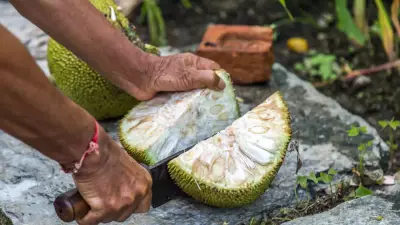
Rajat Sitarmaker, a third-generation sitar maker from Miraj, explains the unique role of pumpkins in this craft. "The kaddu (pumpkin) used in making instruments is not the regular kaddu that we consume," he says. "These are larger in size and are not meant for consumption. In fact, if we eat their seeds, they give us a headache." These special pumpkins are cultivated in Pandharpur, growing much bigger than typical edible varieties, with sizes ranging from 40 to 60 inches. Selected for their superior acoustic resonance, they undergo a drying process that lasts for months, hardening them to become durable components of musical instruments.

From Field to Fretboard: The Labor-Intensive Process
The journey from pumpkin to instrument is neither quick nor easy. It begins with seeds sown in March, with growth peaking by December and drying completed by March, when harvest commences. Rajat notes that pumpkins cost between Rs 1,500 and Rs 2,000, depending on size and quality, with variations tailored to different instruments—sitar pumpkins differ from those used for male and female tanpuras. The crafting process is labor-intensive, involving about ten people in Rajat's workshop, including family members and workers. Each step, from washing and shaping to carving, coloring, and decorative painting of motifs, is done entirely by hand, emphasizing a natural and sustainable approach.
Why Pumpkin? The Acoustic Advantage
When asked why pumpkin is preferred over wood, Rajat highlights its musical properties. "They are more musical, and they remain new for a minimum of 10 years and can last up to 50–60 years," he states. This traditional method not only produces superior sound but also supports employment, including skilled craftsmen with disabilities, such as Mukesh, a sitar maker who is deaf and mute. However, this age-old craft faces significant challenges, particularly from climate change, which has caused pumpkins to shrink in size over the years.
Challenges and Calls for Support
Rajat expresses concern over the craft's sustainability, noting that it has dwindled to only a handful of houses in Miraj. "We need support from the government," he urges. "The craft does not get the assured visibility it deserves, and whatever business we get right now is through social media or word of mouth. We need basic support such as pensions, free water, and electricity to at least sustain the craft." Miraj carries a centuries-old artistic legacy that, if lost, would silence not just instruments but the music, history, and voices of generations.
Preserving a Cultural Heritage
The story of Miraj's pumpkin instruments is a testament to human ingenuity and cultural preservation. As this traditional craft navigates modern obstacles, its survival hinges on recognition and assistance, ensuring that the melodic heritage of this historic city continues to enchant the world for years to come.