Mesh Sankranti 2026: A Comprehensive Guide to the Solar Transition Festival
Mesh Sankranti, a pivotal event in the Hindu calendar, signifies the Sun's momentous entry into the zodiac sign of Aries, known as Mesha Rashi. This celestial occurrence heralds the onset of the solar new year in various regional traditions across India, symbolizing renewal, prosperity, and spiritual awakening. In 2026, this festival is poised to be observed with great reverence, blending ancient customs with contemporary devotion.
Exact Date and Auspicious Muhurat for Mesh Sankranti 2026
According to Vedic astrology and the traditional Panchang, Mesh Sankranti in 2026 is scheduled to fall on Tuesday, April 14, 2026. The precise timing of the Sankranti, which marks the exact moment the Sun moves into Aries, is crucial for performing rituals. The auspicious muhurat for this transition is anticipated to occur during the Punya Kaal, a specific time window considered highly favorable for spiritual activities. Devotees are advised to consult local Panchang or astrological sources for the exact muhurat timings, as they may vary slightly based on geographical location and astrological calculations.
Traditional Rituals and Observances
Mesh Sankranti is celebrated with a series of devout rituals aimed at invoking divine blessings and ensuring well-being. Key practices include:

- Holy Baths: Taking a sacred dip in rivers like the Ganga, Yamuna, or other holy water bodies is believed to purify the soul and wash away sins. Many pilgrims travel to significant pilgrimage sites to participate in this ritual.
- Charity and Donations: Offering alms, food, and essentials to the needy is a cornerstone of the festival, emphasizing compassion and social harmony. This act of giving, known as Daan, is thought to bring merit and prosperity.
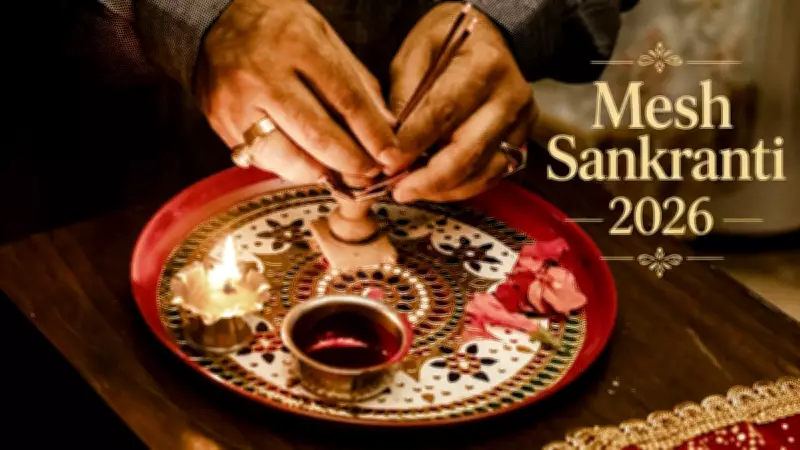
- Prayers and Pujas: Devotees perform special pujas dedicated to Lord Surya (the Sun God) and other deities, seeking blessings for health, wealth, and success. Chanting of mantras and reading of sacred texts are common during these ceremonies.
- Feasting and Family Gatherings: Preparing and sharing traditional meals, often including seasonal foods, fosters familial bonds and community spirit. Dishes like khichdi or sweets are typically enjoyed.
Spiritual and Cultural Significance
Mesh Sankranti holds profound spiritual meaning, representing a time of cosmic alignment and personal transformation. It symbolizes the victory of light over darkness, encouraging individuals to embark on new beginnings with positivity and vigor. In astrology, this transition is associated with enhanced energy, courage, and leadership qualities, making it an opportune moment for setting goals and initiating projects. Culturally, the festival reinforces India's rich heritage, with regional variations adding to its diversity—for instance, it coincides with festivals like Baisakhi in Punjab and Puthandu in Tamil Nadu, each with unique customs.
Astrological Implications and Modern Relevance
From an astrological perspective, Mesh Sankranti marks the start of the solar cycle, influencing planetary positions and individual horoscopes. It is considered an auspicious time for activities such as starting a new business, purchasing property, or performing weddings, as the Sun's entry into Aries is believed to bestow vitality and success. In modern times, while traditional observances remain prevalent, many people also use this occasion for introspection, wellness practices like yoga and meditation, and environmental awareness, aligning with the festival's themes of renewal and harmony.
As Mesh Sankranti 2026 approaches, devotees and spiritual enthusiasts are preparing to honor this sacred day with devotion and joy, embracing its timeless message of hope and renewal.