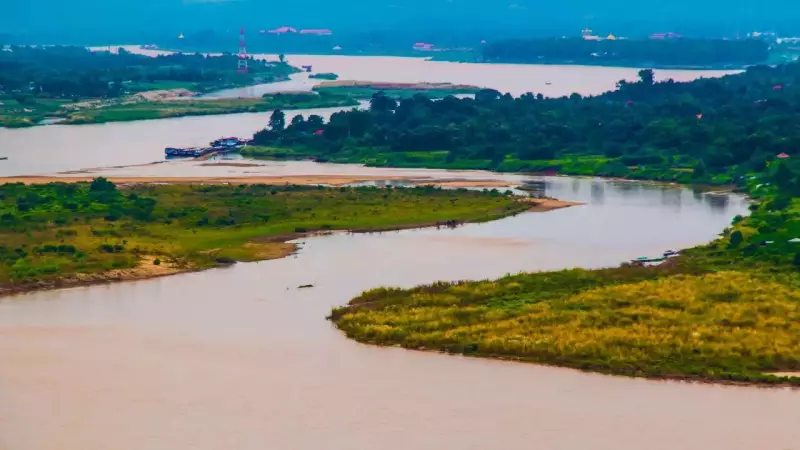
In the vast study of global geography and cultural traditions, certain waterways earn remarkably captivating names that reflect their unique characteristics and profound significance to local communities. These names often emerge from distinctive flow patterns, ecological importance, and deep cultural connections that shape regional identities across generations.
The Fascinating River of Nine Dragons
Among these intriguing geographical names, the "River of Nine Dragons" stands out with particular poetic appeal. This evocative title belongs to none other than the mighty Mekong River, one of Asia's largest and most significant waterways. In Vietnamese, the river is known as Sông Cửu Long, which directly translates to "River of Nine Dragons." This name was carefully chosen to highlight the Mekong's distinctive geographical feature where it divides into nine primary distributaries as it flows through southern Vietnam's fertile Mekong Delta before emptying into the South China Sea.
Why is the Mekong Called the River of Nine Dragons?
The origin of this dragon-inspired name lies in the river's remarkable branching pattern as it approaches its final destination. As the Mekong nears the sea, it naturally splits into nine separate channels and distributaries that spread across the expansive delta landscape. These nine waterways resemble mythical dragons branching outward, each channel symbolizing a dragon that brings life-giving water and sustenance to the delta's agricultural lands. This branching network creates a natural irrigation system that has supported civilizations for centuries, making the dragon metaphor particularly fitting for a river that breathes life into the region.

The Mekong River: More Than Just a Name
The Mekong River represents far more than just an interesting geographical name. As one of Southeast Asia's longest and most vital rivers, it originates in the high plateaus of Tibet and journeys through six countries: China, Myanmar, Laos, Thailand, Cambodia, and finally Vietnam. Throughout its extensive course, the Mekong supports diverse ecosystems and sustains countless communities that depend on its waters for survival. The river's expansive delta contains some of the world's most fertile agricultural land, supporting vast rice paddies and vibrant floating markets that define the region's cultural and economic landscape.
Does the Mekong River Flow Backwards?
In a fascinating natural phenomenon, certain sections of the Mekong River Delta appear to flow backward during the rainy season. This reverse flow occurs due to tidal movements from the South China Sea combined with fluctuating water levels upstream in China, Laos, and Thailand. When tides rise, seawater pushes inland into the river delta, temporarily reversing the river's direction. While this backflow might seem unusual, it's a normal and harmless occurrence that actually contributes to the delta's remarkable fertility by distributing nutrient-rich sediments across agricultural lands. This unique characteristic adds to the Mekong's mystique and reinforces its status as an extraordinary natural wonder.
Why Dragons Symbolize Rivers in Asian Culture
The connection between dragons and rivers runs deep in Asian cultural traditions. Throughout most Asian societies, dragons have long symbolized life, strength, rainfall, and prosperity. Rivers naturally became associated with these mythical creatures due to their essential role in providing water, fertility, and sustenance to human civilizations. The dragon-river connection represents a profound cultural understanding of water's life-giving properties and the natural forces that shape agricultural success and community wellbeing. This symbolic relationship helps explain why the Mekong's nine distributaries inspired such a powerful and enduring name that continues to resonate across Southeast Asia today.

The Mekong River's story as the River of Nine Dragons beautifully illustrates how geography, culture, and natural phenomena intertwine to create meaningful narratives that transcend mere physical descriptions. From its Tibetan origins to its delta destination, the river continues to shape lives, inspire traditions, and demonstrate nature's remarkable capacity to both sustain and surprise those who depend on its waters.