Mauni Amavasya Vrat Katha in English: A Guide for 2026
Mauni Amavasya holds a special place in Hindu spirituality. This sacred day falls on the new moon, known as Amavasya, in the month of Magha according to the Hindu lunar calendar. In 2026, Mauni Amavasya is set to occur on January 17. Devotees observe this day with great reverence, focusing on silence, fasting, and spiritual practices.
The Significance of Mauni Amavasya
Mauni Amavasya derives its name from the Sanskrit word "maun," which means silence. On this day, followers take a vow of silence, or maun vrat, to purify their minds and souls. The practice of silence helps individuals turn inward, reducing distractions from the external world. It is believed that observing Mauni Amavasya can lead to spiritual growth and inner peace.
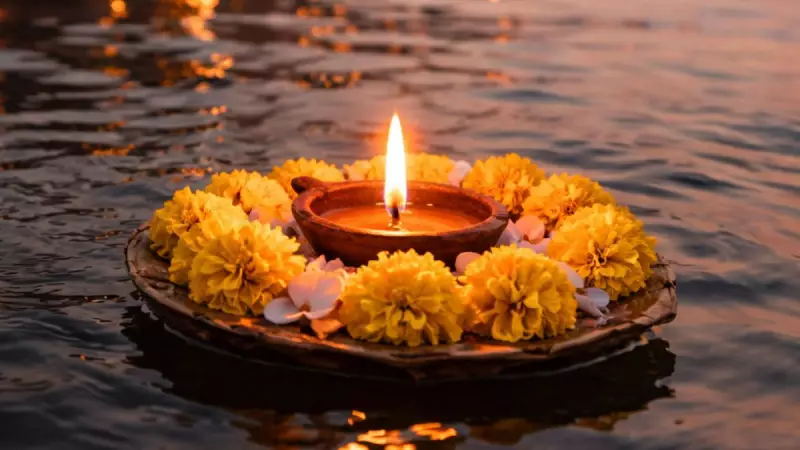
Many people also perform rituals like bathing in holy rivers, especially the Ganges, to wash away sins. The day is considered highly auspicious for meditation, prayer, and charitable acts. By observing the vrat, or fast, devotees seek blessings for health, prosperity, and liberation from the cycle of birth and death.

The Vrat Katha in English
The Vrat Katha, or story associated with Mauni Amavasya, is an essential part of the observance. This narrative highlights the virtues of silence and devotion. According to the Katha, there was once a sage who practiced intense meditation and maintained strict silence. His dedication pleased the gods, who granted him boons for spiritual enlightenment.
Another version of the Katha involves a king who observed Mauni Amavasya with sincerity. He faced many challenges but remained steadfast in his vow of silence. As a result, he received divine intervention that resolved his troubles and brought prosperity to his kingdom. These stories inspire devotees to uphold the vrat with faith and determination.
How to Observe Mauni Amavasya in 2026
Observing Mauni Amavasya involves several key practices. Devotees typically begin their day early, taking a ritual bath before sunrise. They then take a vow of silence, refraining from speaking throughout the day. Fasting is another important aspect, with many people opting for a complete fast or consuming only fruits and milk.
Here are some common steps for observance:
- Wake up before dawn and take a holy bath.
- Wear clean, preferably white, clothes.
- Take a vow of silence and avoid unnecessary conversations.
- Perform puja or prayer rituals, reciting the Vrat Katha.
- Meditate or engage in spiritual reading to enhance focus.
- Break the fast after sunset, following traditional guidelines.
In 2026, with Mauni Amavasya on January 17, devotees can plan their observance accordingly. It is advisable to consult local priests or spiritual guides for specific rituals based on regional customs.
Benefits and Spiritual Insights
Observing Mauni Amavasya offers numerous benefits. The practice of silence helps calm the mind, reducing stress and anxiety. Fasting purifies the body, promoting physical well-being. Spiritually, it is believed to enhance self-awareness and connect individuals with higher consciousness.
Many followers report feeling a sense of clarity and peace after observing the vrat. The day serves as a reminder to cultivate discipline and devotion in daily life. By embracing the teachings of the Vrat Katha, people can foster positive habits and spiritual growth.
In conclusion, Mauni Amavasya is a profound spiritual occasion. The Vrat Katha in English provides accessible insights for a global audience. As 2026 approaches, understanding and observing this day can enrich one's spiritual journey, offering a path to inner harmony and divine blessings.