The Archaeological Survey of India (ASI) faced a monumental crowd management challenge at the iconic Ellora Caves during the Christmas vacation weekend. The UNESCO World Heritage Site, normally accustomed to a daily footfall of 3,000 to 4,000 visitors, was inundated with massive crowds, leading to chaotic scenes and safety concerns for the ancient monuments.
Unprecedented Visitor Surge Overwhelms Heritage Site
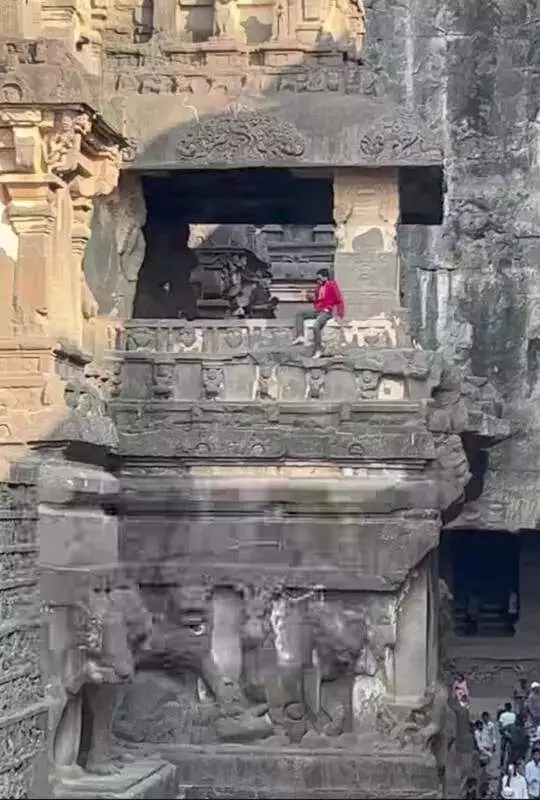
On December 27, a staggering 14,000 tourists descended upon the Ellora Caves, located near Chhatrapati Sambhajinagar. The following day, December 28, saw nearly 13,000 visitors. This represented a more than three-fold increase compared to average days, placing immense pressure on the site's infrastructure and staff. The famous Cave 16, housing the magnificent Kailasa temple, became a particular hotspot where bidirectional movement of tourists led to frequent crowd deadlocks.
Rajesh Waklekar, a conservation assistant with the ASI at Ellora, confirmed the extraordinary rise in numbers. He stated that guides and workers were on their toes, putting in their best efforts to manage the situation and prevent any untoward incidents. The site is typically manned by 50 ASI guides working in three shifts, supported by a housekeeping crew of about 25 who also keep vigil.

Safety Breaches and Preservation Concerns Emerge
The sheer volume of visitors led to several problematic incidents. ASI employees on duty reported a tough time controlling the crowd, as some unruly tourists breached prohibited areas and were seen climbing the delicate heritage structures. This behavior raises serious alarms about the long-term preservation of the 6th to 10th-century CE monuments.
History researcher Sanket Kulkarni emphasized a critical point often overlooked by the public and authorities. "The Ellora Caves were originally not built to handle such a large footfall," he said. Kulkarni advocates for official intervention to regulate visitor numbers, arguing that restrictions are essential if the caves are to be preserved for posterity. His call highlights the growing tension between promoting tourism and ensuring conservation.
The Dilemma of Imposing Visitor Caps
Despite the evident strain, ASI authorities confirmed that no proposal is currently under consideration to limit the number of tourists visiting the Ellora Caves. This stance is informed by past experiences. Waklekar explained that attempts to impose restrictions during the Covid-19 pandemic resulted in friction between tourists and ASI workers.
Tourists often argue that they travel long distances with their families and cannot return without seeing the caves. This sentiment makes implementing sudden checks difficult. Waklekar suggested that any future move to regulate footfall would require wider publicity and careful planning to manage public expectations.
The Ellora Caves, a breathtaking complex of 34 monasteries and temples carved into a high basalt cliff face over more than 2 kilometers, remain one of India's most prized historical treasures. The recent weekend rush underscores an urgent need for a sustainable visitor management plan that balances public access with the imperative of protecting this ancient wonder for future generations.