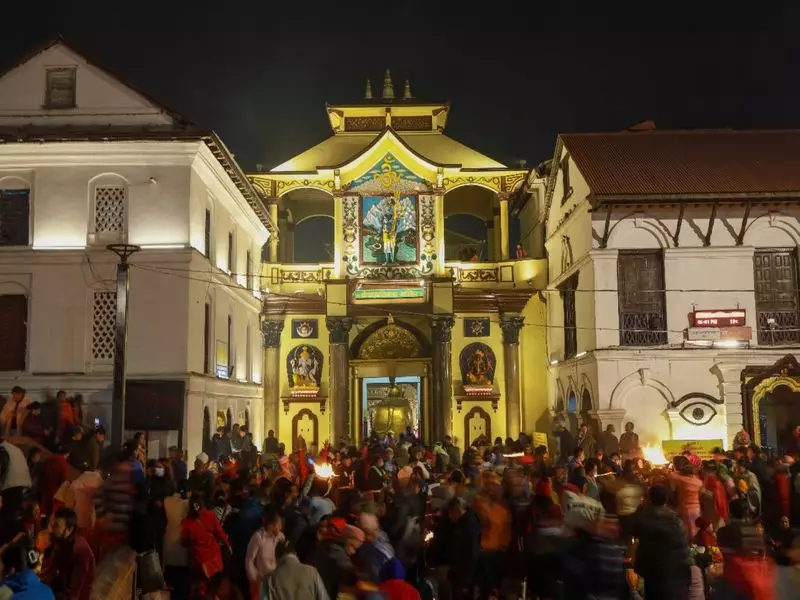
In a breathtaking display of faith and devotion, more than one hundred thousand Hindu devotees converged upon Nepal's revered Pashupatinath Temple to observe the sacred festival of Bala Chaturdashi. The ancient temple complex witnessed an unprecedented gathering of faithful participants who engaged in traditional rituals and illuminated the sacred grounds with countless oil lamps.
Ancient Traditions Come Alive
The Bala Chaturdashi festival, observed on the fourteenth day of the dark fortnight in the month of Mangsir according to the lunar calendar, saw devotees from across Nepal and neighboring Indian states participating in time-honored customs. According to temple authorities, the number of participants this year exceeded previous records, demonstrating the growing significance of this spiritual event.
Devotees began their observances by taking holy dips in the sacred Bagmati River that flows beside the temple complex. Following purification rituals, participants gathered sacred grains, flowers, and oil lamps as offerings for the elaborate ceremonies that would follow throughout the day and night.
Night of Illumination
As dusk descended upon the temple complex, the spiritual atmosphere intensified with the lighting of thousands of oil lamps. The flickering flames created a mesmerizing spectacle, transforming the entire area into a sea of golden light. Temple officials confirmed that the number of lamps lit this year surpassed all previous records, with estimates suggesting over fifty thousand individual lamps illuminating the sacred space.
The ritual of lighting lamps, known as Deepdan, holds profound significance in Hindu tradition. Each lamp symbolizes the triumph of light over darkness and knowledge over ignorance. Devotees believe that participating in this ritual brings spiritual merit and helps ancestors attain peace in the afterlife.
Spiritual Significance and Modern Management
Bala Chaturdashi commemorates the story of a devoted wife named Bala, who according to legend, performed intense penance and rituals at the Pashupatinath Temple to ensure the salvation of her husband's soul. This historical narrative continues to inspire millions of devotees who follow in her footsteps centuries later.
Temple management had made extensive preparations to accommodate the massive influx of pilgrims. Security arrangements involved hundreds of personnel from various agencies, including Nepal Police, Armed Police Force, and temple security teams. Additional facilities for drinking water, sanitation, and medical aid were established throughout the temple premises to ensure the comfort and safety of all participants.
The festival not only represents deep spiritual significance but also showcases the enduring cultural connections between Nepal and India. Many devotees from Indian states like Bihar, Uttar Pradesh, and West Bengal undertake pilgrimages to participate in this annual event, strengthening the religious and cultural bonds between the neighboring nations.
As the night progressed, the chanting of sacred hymns and the fragrance of incense filled the air, creating an atmosphere of profound spirituality that left an indelible impression on all participants. The successful conclusion of the festival marks another chapter in the continuous living tradition of one of Hinduism's most sacred sites.