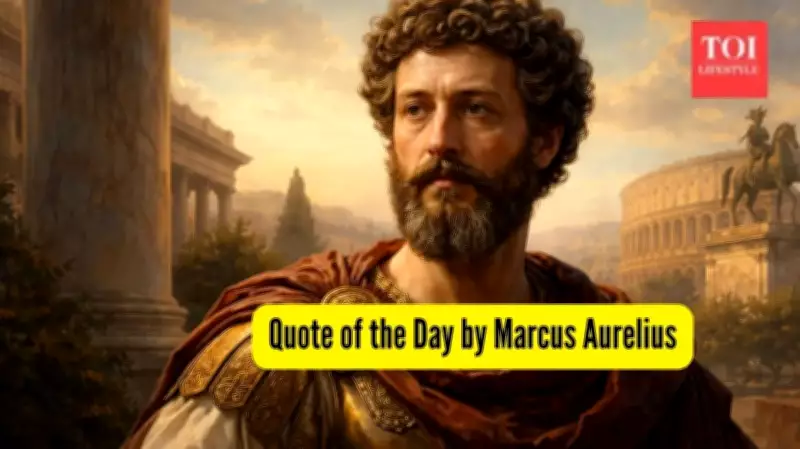
Marcus Aurelius: The Philosopher-King of Ancient Rome
Marcus Aurelius stands as one of history's most fascinating figures, a ruler who seamlessly blended deep political acumen with profound philosophical insight. He is celebrated as the final member of Rome's "Five Good Emperors," renowned not only for his governance but also for his literary contributions that continue to motivate and guide people worldwide.
Early Life and Path to Power
Born in Rome in 121 CE into a wealthy and influential family, Marcus Annius Verus—his original name—displayed a serious and contemplative nature from a young age. His early fascination with philosophy, particularly Stoicism, profoundly shaped his worldview and future actions.
Emperor Hadrian recognized his exceptional potential and orchestrated a strategic adoption into the imperial lineage. Later, Antoninus Pius formally adopted him, paving the way for his succession. This adoption not only positioned Marcus for the throne but also ensured he received an elite education encompassing law, rhetoric, and advanced philosophical studies.

Reign and Challenges as Emperor
In 161 CE, Marcus Aurelius ascended to the imperial throne, initially co-ruling with his adoptive brother, Lucius Verus—an unusual arrangement in Rome's typically singular leadership structure, yet one that functioned effectively. However, his reign was far from tranquil. Unlike some predecessors who enjoyed periods of stability, Marcus faced numerous formidable challenges.
The empire was embroiled in persistent conflicts, especially with Germanic tribes along its northern frontiers. Concurrently, the devastating Antonine Plague struck, causing widespread mortality and economic disruption. Despite these hardships, Marcus Aurelius remained steadfast in his duties, spending much of his rule on military campaigns and often leading troops personally. Remarkably, he continued to write and reflect on philosophical principles even amidst the turmoil of war.
Stoicism in Practice: A Guiding Philosophy
Marcus Aurelius is best known as a Stoic, a philosophy emphasizing reason, self-control, and acceptance of external events. Stoics believe that while we cannot control what happens around us, we can master our responses to it. For Marcus, philosophy was not merely theoretical but intensely practical. He advocated that a virtuous life, characterized by wisdom, justice, courage, and moderation, should guide both personal conduct and leadership.
A core tenet of his philosophy is focusing solely on what we can change. External occurrences like illness, loss, or criticism are often beyond our control, but our thoughts, actions, and emotions are within our domain. By cultivating this mindset, individuals can achieve inner peace regardless of circumstances. He also stressed humility and understanding one's place in the universal order, believing in interconnectedness and the importance of kindness and fairness toward all. As emperor, this translated into a sense of duty to prioritize the common good over personal interests.
Meditations: An Enduring Literary Masterpiece
Marcus Aurelius's most famous work, Meditations, was never intended for publication. Instead, it served as a personal journal where he recorded his introspections and reflections. In these writings, he explores themes such as life's purpose, mortality, virtue, and self-discipline. The tone is deeply self-reflective, with frequent admonitions to maintain composure, avoid anger, and act righteously.
Meditations distinguishes itself through its raw honesty. Marcus does not portray himself as flawless; instead, he candidly discusses his struggles and continuous efforts at self-improvement. This authenticity renders his work profoundly relatable and impactful, resonating with readers across centuries.
Leadership and Governance
Historians often laud Marcus Aurelius for his responsible and equitable rule. He endeavored to enhance the legal system, safeguard the rights of vulnerable populations, and maintain imperial stability during crises. He viewed leadership as a service to others, eschewing luxury and power for their own sake in favor of a duty-bound approach to Rome's welfare. This perspective set him apart from many historical rulers.

However, his reign was not without criticism. Some scholars argue that his decision to appoint his son Commodus as successor was a misstep, as Commodus proved to be a less competent and more self-indulgent leader, effectively ending the era of the "Five Good Emperors."
Legacy and Modern Relevance
Marcus Aurelius passed away in 180 CE, yet his influence has endured for nearly two millennia. He is remembered as a philosopher-king—a rare individual who wielded immense power while striving to live by ethical principles. His ideas remain pertinent in contemporary fields such as psychology, leadership development, and self-help.
Today, Stoic concepts like focusing on controllable factors and cultivating resilience in adversity are widely embraced. Marcus Aurelius's life exemplifies how integrity and fairness can be upheld even under duress. Through his writings and actions, he has bequeathed a blueprint for a disciplined and meaningful existence. His philosophy serves as a timeless reminder that while we cannot dictate external events, we can govern our reactions—a message as relevant now as it was in ancient Rome.
Quote of the Day: A Stoic Reflection on Gratitude
One of Marcus Aurelius's most iconic statements is: "When you arise in the morning, think of what a precious privilege it is to be alive—to breathe, to think, to enjoy, to love." This quote underscores the importance of daily gratitude. Instead of waking to stress or negativity, he encourages pausing to appreciate the fundamental gifts of existence.
The phrase "to breathe" highlights life's most basic yet vital aspect, often taken for granted. "To think" acknowledges our capacity for reason and decision-making, a cornerstone of Stoic philosophy. "To enjoy" and "to love" emphasize the emotional and social dimensions of life, advocating for savoring simple pleasures and nurturing meaningful connections.
This reflection also offers practical resilience. Amidst his own challenges—wars, political pressures, personal losses—Marcus chose to anchor himself in thankfulness. Adopting this mindset at daybreak can provide clarity and strength, framing difficulties as part of the human experience rather than mere adversities.
In today's fast-paced world, where mornings often begin with digital distractions or anxieties, Aurelius's words invite mindfulness and a shift in perspective. They teach that fulfillment stems not solely from external conditions but from valuing what we already possess. Ultimately, this quote embodies Stoic wisdom, positioning gratitude as the foundation for a purposeful life.