Mangaluru's 'Visarjane' Campaign: A Spiritual-Environmental Success Story
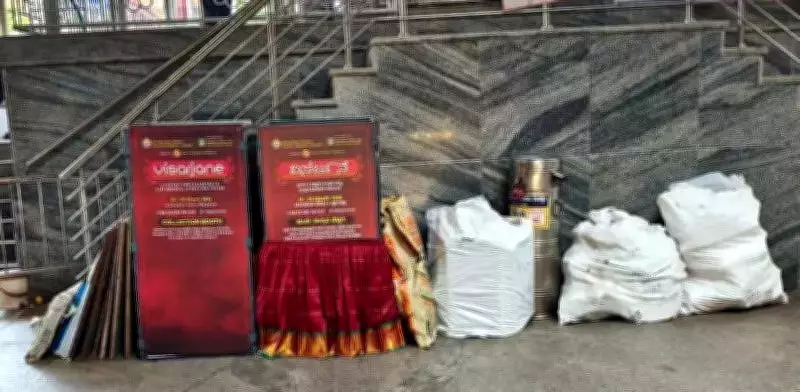
In a remarkable initiative that harmonizes deep-rooted faith with modern environmental consciousness, the 'Visarjane' campaign organized by the Ramakrishna Mission Swacch Mangaluru Abhiyan has successfully collected approximately 5,000 photographs of deities for safe and respectful disposal. This unique drive, which concluded on Tuesday, represents a significant step toward addressing the sensitive issue of religious waste management in urban settings.
Campaign Details and Overwhelming Public Response
The campaign was conducted from March 16 to 26 by the Ramakrishna Math, in collaboration with MRPL (Mangalore Refinery and Petrochemicals Limited) and supported by the Swacch Mangaluru Prathishtana. According to campaign coordinator Ranjan Bellarpady, the public turnout far exceeded expectations, demonstrating strong community engagement with the initiative.
Collection was facilitated through strategically placed drop boxes at five locations across the city, with the Kadri Temple and Mangaladevi Temple serving as primary hubs. These locations accounted for the majority of the religious waste gathered during the ten-day period.

Diverse Religious Materials Collected
The campaign revealed the varied nature of religious waste, with volunteers collecting approximately 20 different types of items, including:
- Clothing and fabrics used in worship
- Mantaps (ritual structures)
- Religious books and scriptures
- CDs containing devotional content
- Statues and idols
- Ritual vessels and utensils
All collected materials have been transported to the Kadri Temple premises for secure storage before the processing phase begins next week.
Respectful Disposal Process with Environmental Focus
The disposal methodology carefully balances religious reverence with environmental responsibility. Before any materials are processed, temple priests will conduct an 'Udvasana Puja'—a ceremonial prayer marking respectful departure—to honor the spiritual significance of the items.
Volunteers will then undertake meticulous segregation:
- Paper-based deity images will be immersed in water and subsequently placed in a designated pit within the temple garden, where a sacred tulsi plant will be planted as a living memorial.
- Items made of wood, glass, and metal will be sorted separately for appropriate handling.
- Recyclable materials will be forwarded to specialized recycling units.
- Non-recyclable items will be disposed of through co-processing in cement factories, minimizing environmental impact.
Future Expansion and Permanent Solutions
Encouraged by the overwhelming response, organizers plan to extend the campaign to Bantwal, Puttur, and Udupi in the coming months. The initiative will pause during the monsoon season from June to August, resuming afterward with expanded reach.
Looking toward long-term solutions, the Ramakrishna Mutt is actively considering establishing a permanent collection booth dedicated to religious waste management. This would provide a consistent, accessible point for devotees to dispose of religious items respectfully while contributing to environmental sustainability throughout the year.
This innovative campaign demonstrates how traditional religious practices can be thoughtfully integrated with contemporary environmental stewardship, creating a model that other communities might emulate for managing sacred materials with both reverence and responsibility.