Kerala's Historic Mamangam Festival Makes Grand Return After 250-Year Hiatus
In a momentous cultural revival, the ancient Mamangam tradition, frequently referred to as the Kerala Kumbh, has been brought back to life after an astonishing gap of 250 years. This significant event has captured national attention, with Prime Minister Narendra Modi acknowledging its profound historical and spiritual importance.
A Legacy Reawakened: The Essence of Mamangam
The Mamangam festival is a centuries-old celebration deeply rooted in the heritage of Kerala, traditionally held on the banks of the Bharathapuzha River. Often compared to the Kumbh Mela due to its massive scale and religious fervor, it was a grand assembly that brought together communities from across the region for rituals, trade, and cultural exchanges. However, the festival had been dormant for over two centuries, with its last recorded occurrence dating back to the 18th century, making this revival a landmark moment in India's cultural landscape.
Prime Minister Modi's Recognition of Cultural Heritage
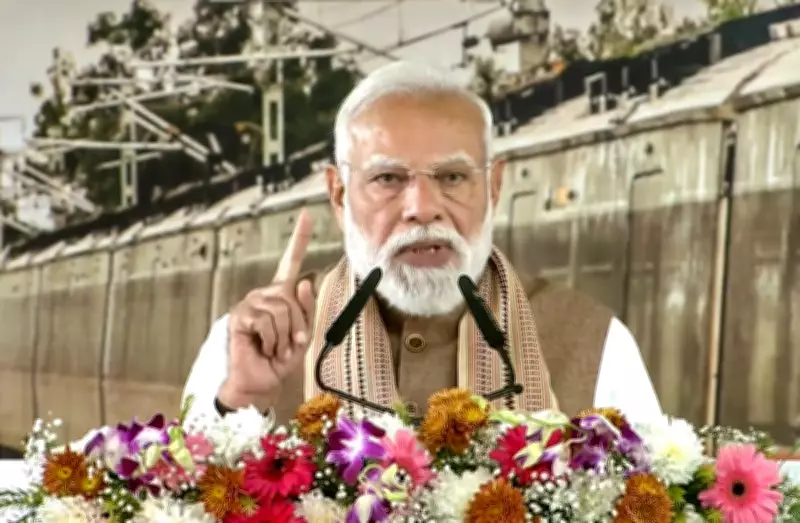
Prime Minister Narendra Modi has publicly praised the revival of Mamangam, emphasizing its role in preserving and promoting India's rich traditions. In his statements, Modi highlighted how such festivals strengthen the social fabric and connect people to their ancestral roots. He noted that the return of Mamangam is not just a local event but a symbol of India's enduring cultural resilience, encouraging future generations to cherish and sustain these practices.

The Significance of the Revival
The revival of Mamangam after 250 years is more than a mere festival; it represents a concerted effort to reclaim and celebrate Kerala's unique identity. Key aspects of this event include:
- Historical Continuity: Reconnecting with rituals and customs that have shaped the region's history.
- Community Engagement: Fostering unity and participation among diverse groups.
- Tourism and Economy: Boosting local tourism and providing economic opportunities through cultural tourism.
- Spiritual Renewal: Offering a platform for spiritual practices and religious observances.
This revival has been met with enthusiasm from locals and cultural enthusiasts alike, who see it as a step towards safeguarding intangible heritage.
Looking Ahead: The Future of Mamangam
As Mamangam returns to the cultural calendar, there is optimism about its potential to become a regular feature, akin to other major Indian festivals. Organizers and authorities are working to ensure its sustainability by integrating modern elements while preserving traditional essence. The event's success could inspire similar revivals across India, highlighting the importance of cultural preservation in a rapidly changing world.
In conclusion, the rebirth of the Mamangam tradition after 250 years is a testament to the enduring spirit of Kerala's culture. With Prime Minister Modi's endorsement, it gains national prominence, reminding us of the value in honoring our past to build a richer future.