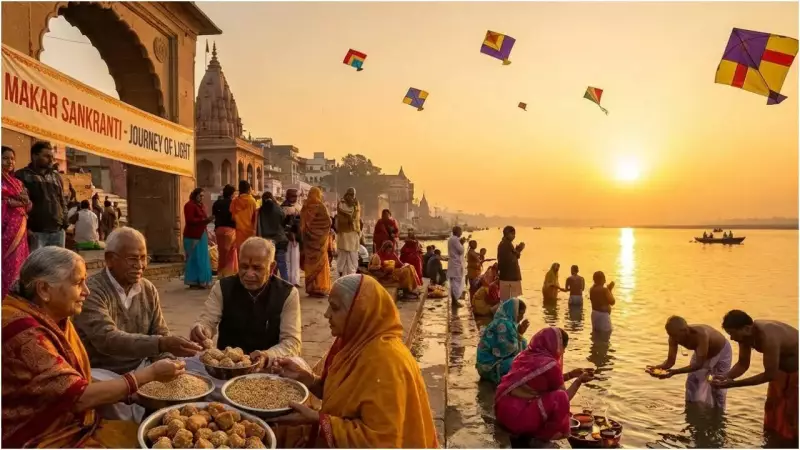
Makar Sankranti Ushers in the Sun's Northward Journey
Makar Sankranti celebrates the Sun's auspicious movement into the zodiac sign of Capricorn. This transition signals the start of Uttarayan, the Sun's northward journey. Indian tradition links this celestial shift with increasing daylight, warmth, and renewed energy. The festival serves as a powerful occasion for physical cleansing, mental clarity, and spiritual upliftment.
Regional Customs Share a Common Spirit
Customs vary across different regions of India. However, the core spirit of Makar Sankranti remains consistent everywhere. It emphasizes purity, generosity, and positive beginnings. Below are some meaningful practices associated with the festival and their significance.
Early Morning Bath and Sun Worship
The day traditionally begins before sunrise. Waking up early and taking a bath cleanses both the body and the mind. Many people add sesame seeds or Ganga water to their bath water. This act symbolizes purification.

After bathing, offering water to the rising Sun, known as arghya, becomes an important ritual. This practice expresses gratitude to Surya Dev, the Sun God. Devotees regard Surya as the source of all life and vitality. They believe this ritual supports good health, builds inner confidence, and fills the day with positive energy.
Prayer, Chanting, and Meditation
Makar Sankranti is considered an auspicious time for prayer and reflection. Worshipping Lord Surya, Lord Vishnu, or one's chosen deity is common on this day. Many people spend time chanting mantras or reciting the Bhagavad Gita. Others prefer sitting quietly in meditation.
These practices help calm restless thoughts and clear emotional heaviness. Even a short period of focused prayer or silent reflection brings mental peace and a sense of balance.
Charity and Service Hold Special Importance
Acts of charity gain special significance on Makar Sankranti. Donating items like sesame seeds, jaggery, grains, clothes, blankets, or money is considered highly meritorious. Winter remains harsh in many parts of the country. These donations offer real comfort to those in need.
Scriptures praise such acts of giving. They describe charity as a way to cultivate compassion, humility, and lasting contentment.
Consuming and Sharing Sesame Seeds and Jaggery
Til (sesame seeds) and gur (jaggery) are central to Makar Sankranti celebrations. These foods generate warmth and energy, which is especially helpful during the cold season. Beyond their nutritional value, they carry deep symbolic meaning.
Sharing sesame and jaggery represents sweetness in speech and harmony in relationships. It reminds people to speak kindly and maintain warmth in social bonds.
Celebrating with Family and Community
Makar Sankranti is also a vibrant social festival. Families gather, visit relatives, and take part in community celebrations. It is a time to let go of old misunderstandings, forgive past hurts, and renew relationships.
Sharing meals, exchanging greetings, and spending time together reflect the true joy of the occasion.
Making Good Resolutions for Fresh Starts
As the Sun begins a new journey, Makar Sankranti is seen as a day of fresh starts. Many people choose this time to take positive resolutions. These may relate to health, education, discipline, or spiritual practice.
Starting a good habit or meaningful effort on this day is believed to bring lasting results.
The Heart of Makar Sankranti
In essence, Makar Sankranti encourages purity of conduct, generosity, devotion, service to others, and positive thinking. These values form the heart of the festival. They give it lasting significance beyond ritual alone.