Makar Sankranti: A Pan-Indian Harvest Festival with Local Flavors
Makar Sankranti sweeps across India as a major harvest festival. Every region celebrates this important occasion in its own distinctive way. The cultural and geographic significance of the festival changes according to the state where people observe it.
The Astronomical Significance and Timing
Makar Sankranti translates as the transition of Capricorn. The word 'makar' means Capricorn while 'sankranti' means transition. People generally celebrate this festival on January 14 each year. However, the date might shift by a day or two depending on the Hindu calendar calculations.
On this auspicious day, Indians from different regions pay their respects and pray for a successful harvest. They express gratitude for the agricultural bounty received during the season.

Regional Names and Celebrations
This festival carries different names across various Indian states. In northern India, people celebrate it as Maghi and Makar Sankranti. Assam observes Magh Bihu or Bhogali Bihu. Tamil Nadu calls it Thai Pongal while West Bengal knows it as Poush Sankranti.
Communities prepare for Makar Sankranti well in advance with great enthusiasm. Some regions organize melas like the Magha Mela and social functions during this period. Families prepare regional delicacies that they later enjoy with friends and relatives.
North Indian Celebrations
In many north Indian states including Delhi and Haryana, Makar Sankranti or Sakraat stands as one of the major festivals of the year. People cook special dishes like kheer and churma to mark the occasion. Some families follow the ritual of exchanging gifts called 'Sidha' and 'Manana' between relatives.
Celebrants visit friends and family throughout the day. Some groups even sing folk songs that praise the importance of the harvest festival. These traditions strengthen community bonds during the festive period.
Punjab's Maghi Festival
People in Punjab celebrate Maghi with particular devotion. They begin the day by bathing in rivers early in the morning. Many follow the ritual of burning lamps with sesame oil, believing this practice attracts prosperity and washes away sins.
During Maghi celebrations, groups perform energetic 'bhangra' dances together. Communities organize communal lunches where they serve kheer cooked with milk and sugarcane juice among other local delicacies. This festival also represents the seasonal change, with many believing that winter ends with Makar Sankranti.
Rajasthan's Sankrat Festival
In Rajasthan, Makar Sankranti or Sankrat ranks among the most important festivals of the state. Families prepare many Rajasthani delicacies including pheeni, gajak, ghevar, kheer, puwa, and til-paati during this time.
This festival holds special significance for married women in Rajasthan. Their parents invite them along with their husbands and in-laws for a feast at their parental home. This tradition reinforces family connections across generations.
Assam's Bhogali Bihu
Assam celebrates the harvest festival called Magh or Bhogali Bihu. As the name suggests, this festival centers around 'bhog' or feasting. To honor the harvest they have collected, people organize communal feasts where everyone assembles and enjoys freshly cooked delicacies.
Food plays a crucial role in this festival. Assamese people start the day with traditional breakfasts consisting of 'doi chira gur' and 'pita'. Communities build tall structures called 'meji' using dry bamboo and hay well before Magh Bihu.
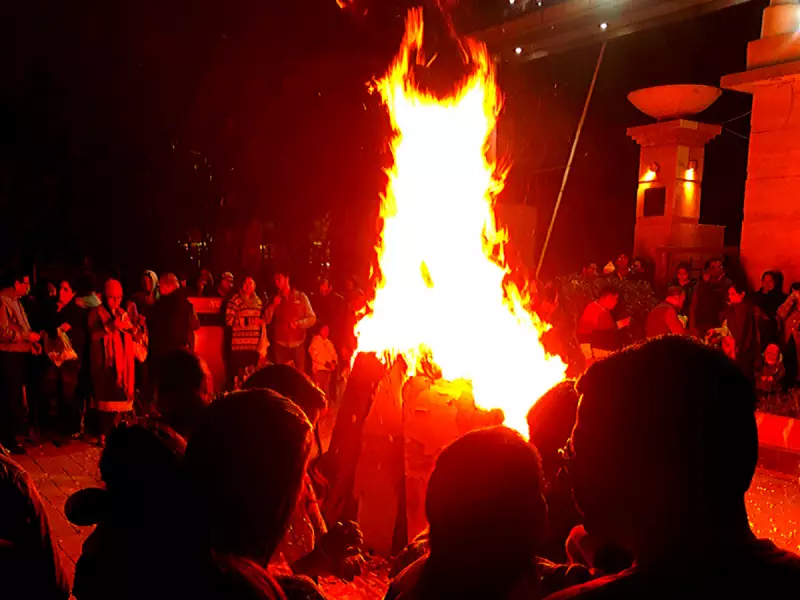
On the morning of the festival, people light these structures like bonfires. They offer food cooked from the new harvest and pray to deities for a blessed year ahead. This ritual symbolizes gratitude and hope for agricultural prosperity.
Unity in Diversity
Regardless of what name Makar Sankranti carries across the country, people celebrate and enjoy the day with great fervor and festivity. This period represents a time when communities pay their respect to deities for the bountiful harvest. They also pray for a fruitful and better year ahead.

The festival showcases India's remarkable cultural diversity while highlighting shared agricultural traditions. From Punjab's river baths to Assam's meji bonfires, each regional variation adds unique colors to this pan-Indian celebration of harvest and renewal.