As the sun begins its northward journey, marking the end of winter, India celebrates a multitude of harvest festivals. In Chennai, a city known for its vibrant Pongal festivities, communities from across the country weave their own unique cultural threads into the festive tapestry. From wearing auspicious black to circling bonfires, these traditions, adapted far from native lands, are a testament to resilience and identity.
Bengalis in Chromepet: The Auspicious Black and Pithe Puli
For Bengalis, Makar Sankranti is known as Poush Sankranti, falling on the last day of the month of Poush. Atri Kumar Sinha, a Bengali resident of Chromepet since 2004, explains the rituals. The day begins with a sacred bath, ideally in the Ganga. "Since that is not possible here, we buy a little Ganga water online and use it in our bath," says Sinha, highlighting a modern solution to an ancient practice.
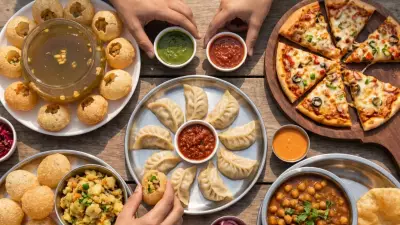
Considered highly auspicious, the day also has a unique sartorial code. "The family wears black, as the community does back home," Atri adds. The culinary highlight is the preparation of pithe puli, a Bengali sweet akin to the south Indian kozhukatta. "It's made like a momo, with rice and sweet coconut inside," describes Joysree, Atri's wife. The celebrations include distributing jaggery to visitors and the needy, followed by Saraswati and Lakshmi pujas, and a special prayer for paddy plants.

On a larger scale, the Bengali Association Anya Mukh organizes an annual 'Poush Mela' in Chromepet, where traditional Bengali items, including pithe puli, are prepared and sold, creating a home away from home.
Punjabi Lohri and Gujarati Uttarayan: Bonfires, Kites, and Community
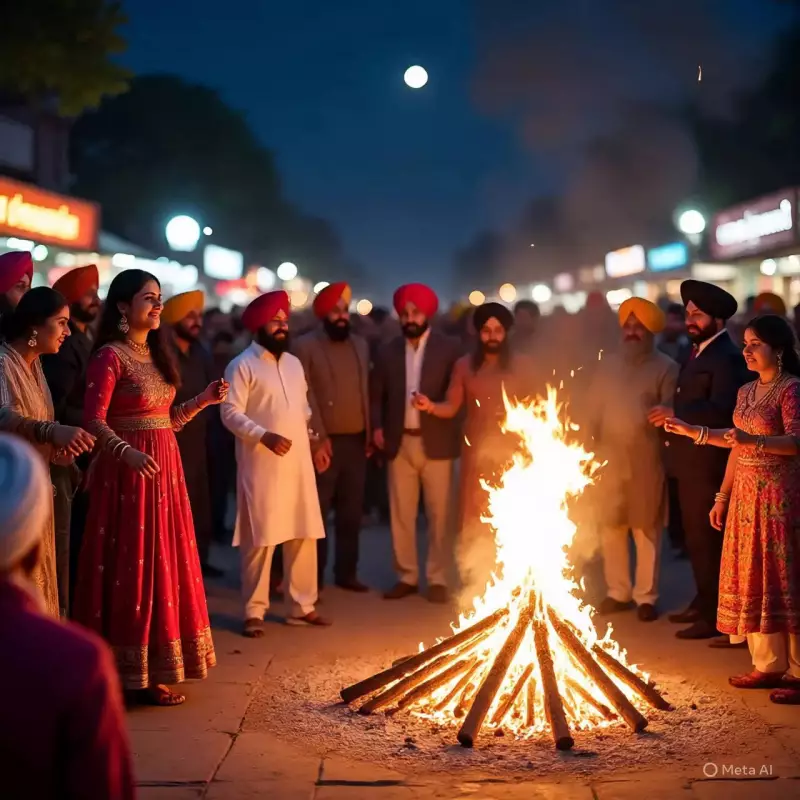
For Punjabis, Lohri on January 13 is a festival of dance and fire. Manjit Kaur Anand, who moved to Chennai from Chandigarh two decades ago, describes the traditions. "We make a small bonfire outside the house. With plates of popcorn and peanuts sprinkled with jaggery, we circle the bonfire seven times and offer a bit to the fire," she says. The bonfire symbolizes thanksgiving for the harvest and dispelling evil, followed by energetic gidda dances and distribution of sweets.
The next morning, families cook khichdi and eat it with radish, a thanksgiving for the major harvest crop. Manjit honors her late mother-in-law's request to continue this tradition. The feast also includes gachak (a sesame and peanut sweet), makki ki roti, and sarson da saag.
For Gujaratis, Uttarayan is synonymous with kite flying. Neena Kishore, a decades-long Chennai resident, reminisces about childhood days spent on the terrace from morning till evening. While kite flying with manja is restricted in the city, the spirit remains. "We offer prayers to the sun god early and prepare til (sesame) laddus," says Neena.
Her daughter-in-law, Tanvi, adds that married women exchange new utensils for luck and prosperity. Having lived in Chennai for generations, the Kishore family, including Neena's husband who co-owns Musee Musicals, has blended traditions. "We make ven pongal and sweet pongal alongside," he says, embracing the local Tamil custom.
Assamese Magh Bihu: Preserving Roots in Tamil Nadu
For Assamese families in Tamil Nadu, Magh or Bhogali Bihu is a powerful reminder of identity. Manoj Sharma, President of the Assam Spiritual Society who moved from Guwahati in 1985, states, "What matters is that our children know their roots." Celebrating the end of the harvest season with feasts and bonfires poses challenges far from Assam.
"It's difficult to find ingredients," says Sharma. To bridge the gap, community members traveling between states sell essentials via WhatsApp groups. Others adapt creatively. "My wife makes tel pitha, similar to Kerala unniappam, using local ingredients," he explains.

Bishwarupa Borthakur Goswami, who settled in Chennai with her husband Subrat in 2008, strives for authenticity. The traditional meji bonfire isn't feasible due to space and neighborly concerns. "So on Bihu day, at 8 am, we light a small meji on our balcony using a clay tawa, so the children know the tradition," she shares. On Sankranti day, it is customary to eat only jolpaan (flattened rice with jaggery and curd). They also invite non-Assamese friends to share their culture.
These stories from Chennai illustrate how India's diverse harvest festivals are not just agricultural markers but vibrant, living traditions. They are lovingly preserved and innovatively adapted, ensuring that the warmth of community and the connection to roots continue to flourish, no matter the distance from the native soil.